
Last updated November 22, 2026
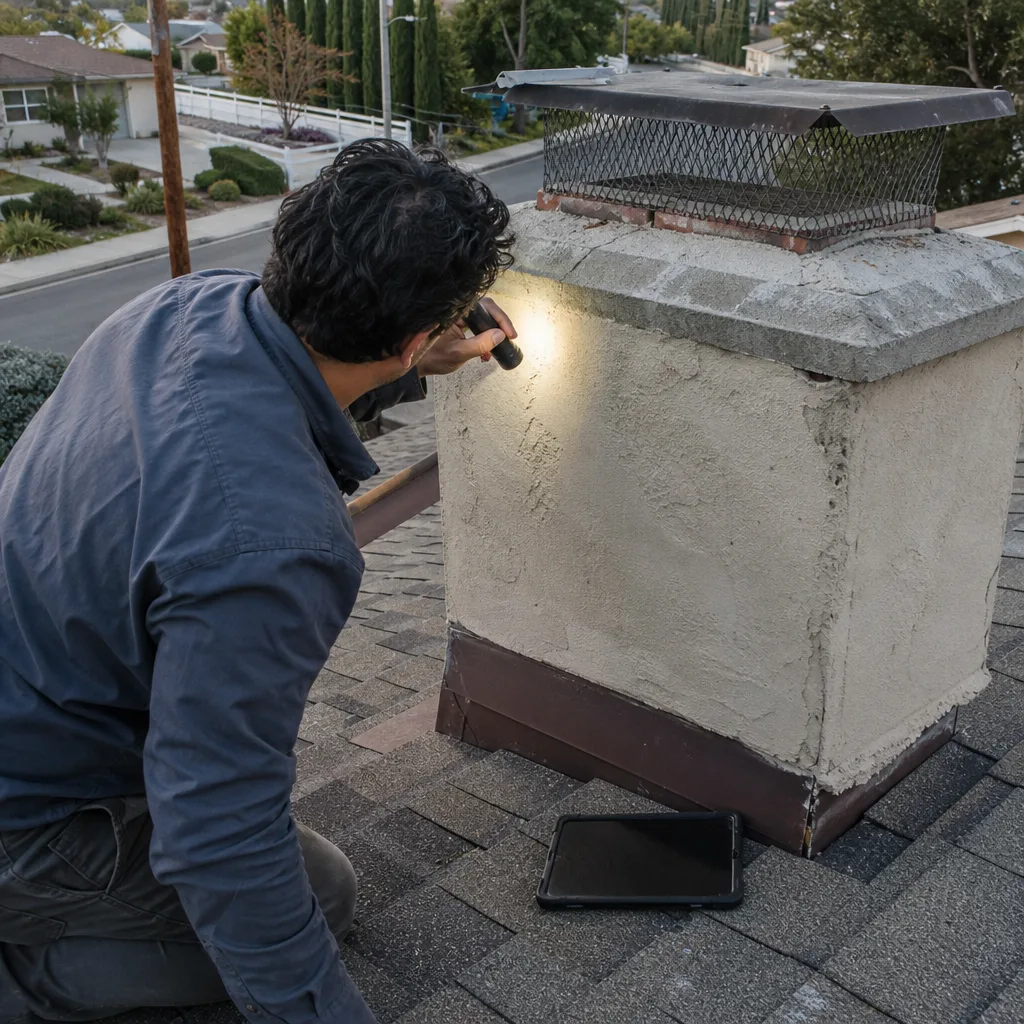
 Sweep & inspection
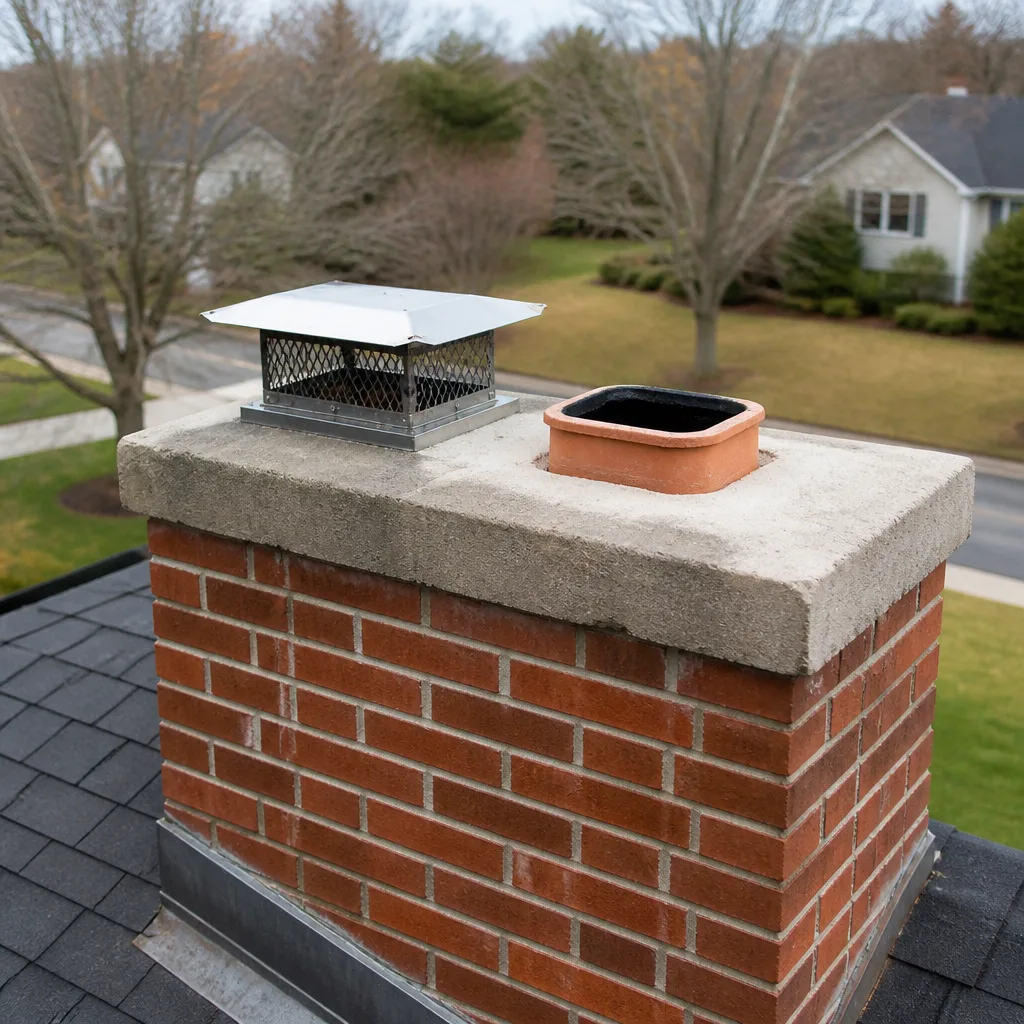
 Caps & crowns
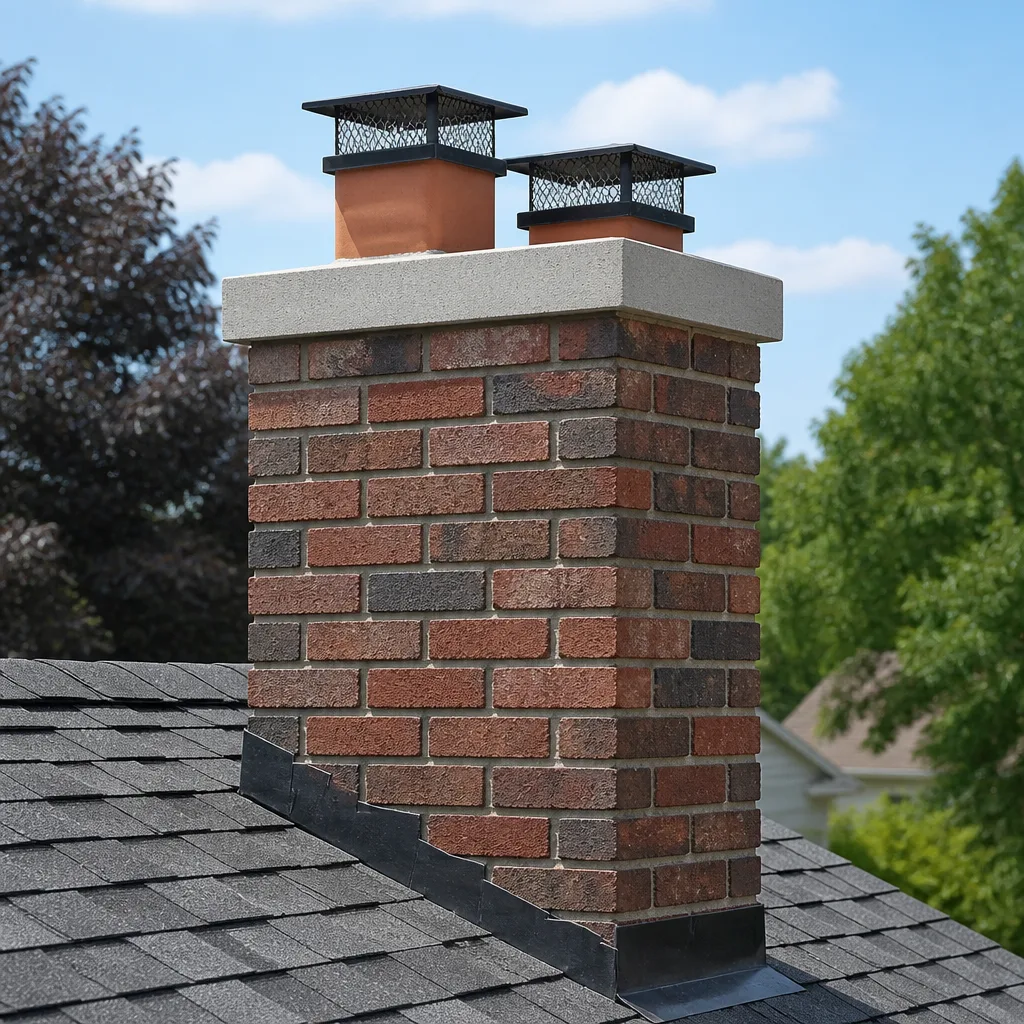
 Flue relining
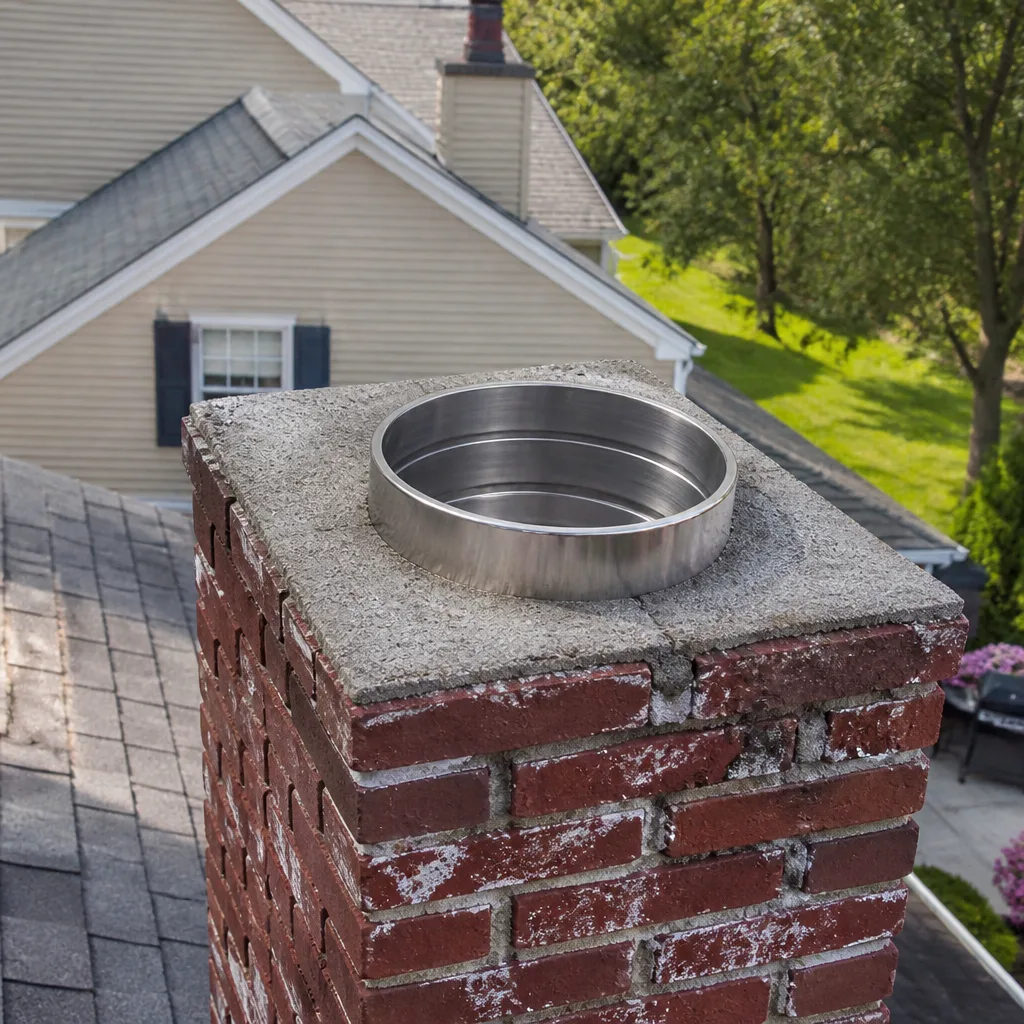
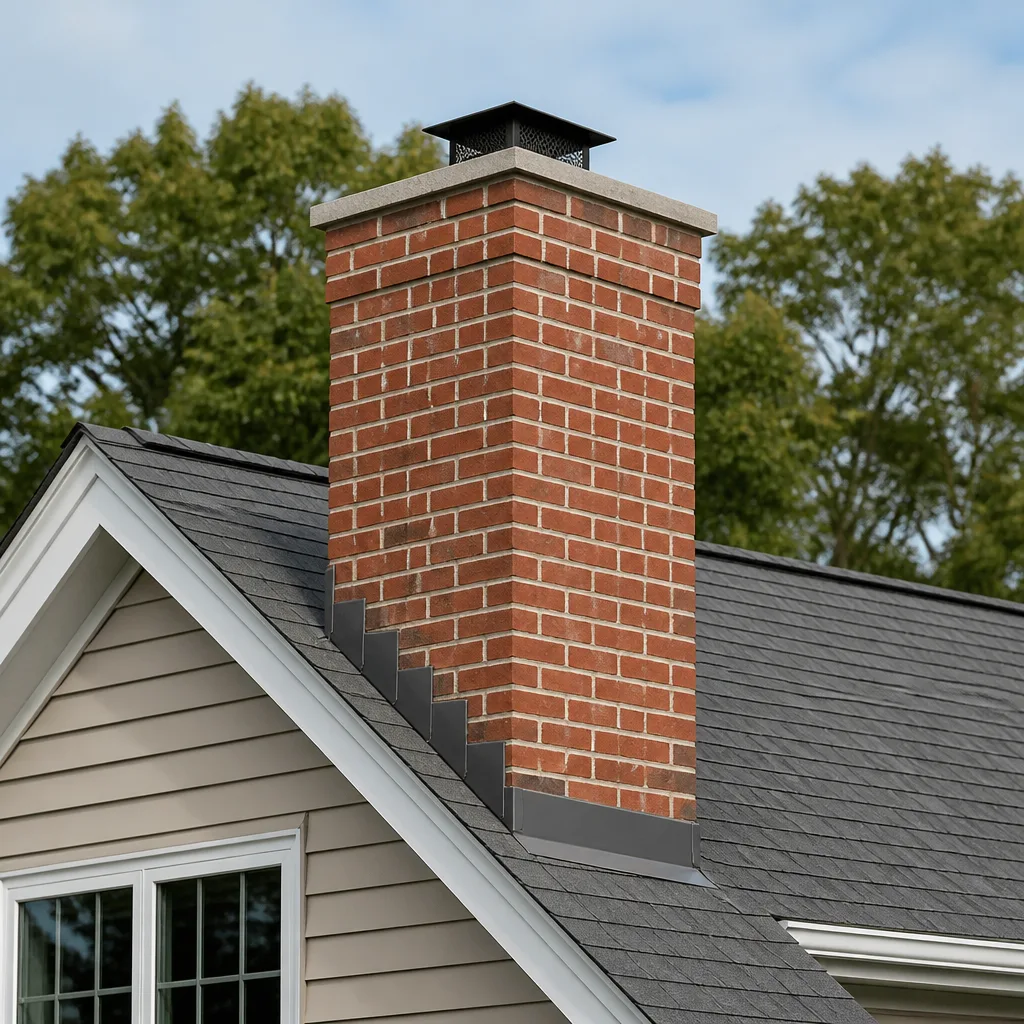 Masonry repair
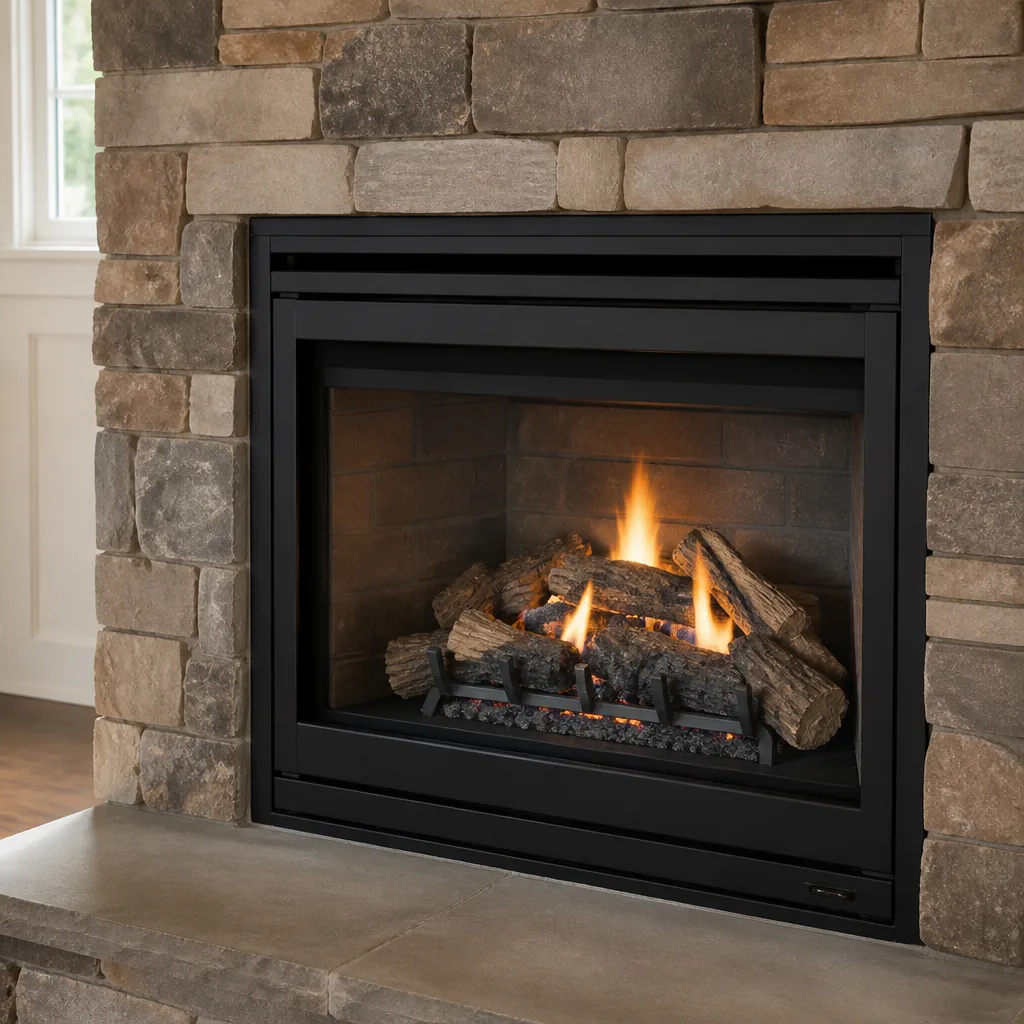 Gas fireplace service
Level 1 sweep and inspection to the NFPA 211 annual standard - flue, crown, cap, and flashing checked and photographed
Chimney sweep logs do not sweep chimneys. They loosen some creosote - which then falls where a brush and vacuum still have to collect it.
Chimney Cleaning Cost Breakdown: The Porter Ranch Homeowner’s Reference for 2026
Two quotes for the same chimney clean can land a hundred dollars apart, and neither contractor is necessarily overcharging you. One is quoting a hand-brush pass and a wave goodbye. The other is quoting mechanical cleaning with HEPA containment, a documented inspection, and photos you can look at yourself. That gap isn’t competition at work. It’s two completely different jobs wearing the same label. This guide takes apart a typical quote line by line, so you can see what each price tier actually buys, what a fair price looks like in Porter Ranch this year, and how to spot a quote that’s cheap because it leaves out the parts that protect you. You’ll finish with enough detail to read any estimate that comes through your door and know exactly what you’re paying for.
Quick Answer
Most chimney cleaning in Porter Ranch runs roughly $180 to $420 in 2026, with a basic wood-burning sweep near the low end and a sweep bundled with a Level 2 camera inspection near the top. Add a cap installation and you’re typically in the $350 to $650 range; crown repair or a partial reline pushes well past that. The single biggest driver isn’t the brush time. It’s whether the quote includes a written inspection report, before-and-after documentation, and proper dust containment. Call (855) 658-5280 for an exact quote, since estimates are free.
Styles & brands we work with
- Sweep & inspection
- Caps & crowns
- Flue relining
- Masonry repair
- Gas fireplace service
Table of Contents
- Price Tiers: What Each Quote Actually Covers
- What Drives Chimney Cleaning Price in Porter Ranch
- Itemized Cost Breakdown by Service Type
- How to Read a Chimney Cleaning Quote
- Why the Cheapest Quote Often Costs More
- The Cost of Skipping a Cleaning
- Creosote Stages and What Removal Really Takes
- Common Mistakes to Avoid
Price Tiers: What Each Quote Actually Covers
When you collect three quotes and one is $79, one is $199, and one is $349, you’re not looking at three bids for one job. You’re looking at three different scopes. Sorting them by price alone will mislead you. Sort them by what they include.
The lowest tier is usually a hand-brush sweep with a shop vac and no written follow-up. The technician sweeps until the brush stops meeting resistance, tells you it looked “fine up there,” and leaves. There’s no record of what was found, no photo of the flue interior, and no way to know whether a joint is cracking or a cap screen is failing. It’s the fastest visit on the market and the one that gives you the least information.
The middle tier adds mechanical cleaning (a rotary brush rather than hand-pressure only) plus a visual Level 1 inspection. You get a description of what was seen and a verbal pass-or-fail on the visible components. It’s honest work, but it still leaves you with nothing in writing.
The top tier pairs mechanical cleaning with HEPA containment and a documented Level 1 inspection, with before-and-after photos on file. Some quotes at this level include a Level 2 camera inspection when there’s a reason to look deeper. In Porter Ranch, where many homes have two-story rooflines and hillside placement that makes flue access awkward from the ground, the camera is often what separates an accurate diagnosis from a guess.
Here’s the practical takeaway: a $79 sweep and a $349 sweep are rarely the same service done at two prices. They’re different jobs with different paper trails. Choose the scope you need, then price it.
What Drives Chimney Cleaning Price in Porter Ranch
Cleaning a chimney in Porter Ranch costs more than cleaning one in a flat, single-story neighborhood for reasons that have nothing to do with the company doing the work. They have to do with the houses themselves. Four factors move the price most.
Access and roofline. Two-story homes and hillside placements make roof access slower and more careful. A technician working a steep pitch or an awkward chimney position spends real time setting up fall protection and containment before a single brush goes in. That setup shows up in the quote, as it should.
Fireplace type: wood vs. gas. A wood-burning fireplace leaves creosote and soot that require mechanical cleaning. A gas fireplace produces very little of either but still needs a flue check and burner-area cleaning to catch debris. Gas chimneys are typically cheaper to service, but the visit still needs to happen. Skipping it because it “doesn’t get dirty” is a mistake we see often.
Insert vs. open face. A fireplace insert, whether wood or gas, means the technician is working around a fitted appliance with its own venting and clearances. Inserts take a bit longer to clean around safely and are worth inspecting carefully because their venting has its own quirks. An open-face masonry fireplace is more straightforward.
Condition found on inspection. If the flue has significant creosote buildup, a failing cap, or visible joint cracks, the cleaning job expands. A technician who quotes low without looking is either guessing or planning to surprise you with an upcharge. Our preference is to sweep and inspect in the same visit and price the cleaning based on what’s actually there.
Porter Ranch’s mild winters mean fireplaces here tend to see shorter but more concentrated burn seasons than colder regions. That swings the pattern away from constant buildup toward seasonal spikes, and it’s a good reason to schedule a cleaning before the first cool evening rather than mid-season. The right timing, like everything else here, is a function of how you use the fireplace.
Itemized Cost Breakdown by Service Type
These are typical estimated ranges for Porter Ranch homes in 2026. They’re a reference point, not a promise: the written estimate after inspection sets your final price. Use this table to sanity-check any quote you receive and to spot which line items are missing.
- Basic wood-burning sweep: $180 to $280. Mechanical cleaning of the flue and firebox, soot removal, containment. Written report not always included at this tier.
- Sweep plus Level 1 inspection: $250 to $350. Cleaning plus a documented visual inspection of accessible components with before-and-after photos.
- Sweep plus Level 2 camera inspection: $320 to $420. Everything above plus a closed-circuit camera run through the flue to check joints, liner condition, and clearances you can’t see from the firebox.
- Gas fireplace service: $150 to $240. Burner and vent area cleaning plus a visual inspection of the flue and termination.
- Chimney cap installation: $180 to $320 for a professional-grade cap, with Gelco and Famco being our standard hardware for long-term moisture protection. Installed during a sweep, the total is often lower because access is already set up.
- Crown repair: $300 to $650 depending on footprint and extent. Small cracks can be sealed; a crumbling crown is rebuilt.
- Partial reline (resurfacing system): $1,200 to $2,400 with a ceramic resurfacing product. Full-length liner replacement runs higher still and depends on the flue.
One thing to notice: the cap and crown line items only appear when your chimney actually needs them. If a quote lists cap and crown work without a documented reason, push back. If it never mentions them at all, that’s a different red flag, and we’ll get to it.
How to Read a Chimney Cleaning Quote
A legitimate chimney cleaning quote has a recognizable shape. When it does, you can compare apples to apples even across three contractors. When key pieces are missing, you’re looking at a shortcut dressed up as a bargain.
Here’s what a well-built quote looks like, in order:
- A scope statement. Which fireplace or appliance, wood or gas, insert or open face, and exactly what will be swept. Vague words like “clean chimney” without a target are a warning sign.
- The inspection level. Level 1 (visual of accessible components) or Level 2 (camera). Level 3 is typically reserved for specific problem cases. If the level isn’t named, the inspection isn’t being done with intent.
- Containment method. The word “HEPA” or “containment” should appear for interior work. Professional sweeps in Porter Ranch don’t want soot in your living room any more than you do.
- Photo and report deliverable. A written report with photos of the flue interior is the liability protection. It documents the condition on the day of service and tells you what to watch.
- Findings and next steps, priced separately. Any recommended repair should be itemized as a separate line on the estimate, not bundled into the cleaning price. Bundling hides what you’re buying.
- Free estimate language. Pricing is per job by written estimate. If the visit involves a service or diagnostic charge, it should be stated up front, and the written estimate sets the final price.
If a quote skips items 2, 3, and 4, you’re looking at a sweep-and-leave. That’s a valid service at a lower price point as long as you understand it. It just doesn’t give you any record of what was found, and that’s precisely what you’ll want if problems surface later.
Why the Cheapest Quote Often Costs More
The stuff that makes a chimney service worth paying for is the stuff a low-bid quote can’t afford to include. That’s the whole story of the price gap. Two things in particular fall out of a stripped-down scope: documentation and protection.
Documentation is the liability shield. A written inspection report with interior photos isn’t decoration. It’s the record of your flue’s condition on the day it was cleaned. If a joint crack or a liner issue surfaces months later, you have a dated photo showing whether it was there before the cleaning. Without that record, you can’t tell whether the problem predated the sweep or was caused by it. For a homeowner, that record is worth the difference between the $79 clean and the $250 clean all by itself.
Containment protects your house during the work. Interior cleaning without proper containment and HEPA filtration spreads fine soot into the room. That soot settles on upholstery, electronics, and any surface with texture. It has to be cleaned up, and often the homeowner is the one doing it. Paying a bit more for a properly contained job is paying to avoid a two-day cleanup.
An honest inspection can save you money. We tell homeowners plainly when work can safely wait. A slightly worn cap can be scheduled for next season. A small crown crack can be monitored. What we won’t do is recommend a repair with no camera evidence you can look at yourself. If we can’t show it to you, we won’t ask you to pay for it.
The materials matter for the same reason. Professional-grade caps and liners from makers like Olympia Chimney, Gelco, Famco, and Copperfield are not what you’ll find at a big-box store, and they’re not what a discount sweeper will install. A generic aftermarket cap often fails within a couple of seasons and takes the flue with it. A properly sourced cap from a manufacturally recognized line holds up.
The Cost of Skipping a Cleaning
Skipping a cleaning rarely shows up as a line item until it’s forced to. The usual outcomes cluster into three buckets, and each one is more expensive than the cleaning would have been.
Heavy creosote buildup requiring stage-3 removal. Creosote accumulates in layers. A light coating brushes off. A hardened, glazed layer at stage three does not respond to a normal sweep and often requires more aggressive removal before the flue is safe to use. The removal is a real line item, and it’s well above the cost of a routine cleaning. Call it a few hundred dollars more, sometimes more depending on how far it’s spread.
Liner damage caught too late. A compromised liner lets heat and combustion byproducts reach the surrounding structure. Caught early, a liner can often be restored using a ceramic resurfacing product like HeatShield, which is a specialist system for bringing a chimney back to a serviceable condition without a full replacement. Caught late, because nobody looked for several seasons, you’re looking at full-length replacement with a flexible system like DuraFlex. That’s a several-thousand-dollar job versus a cleaning plus a straightforward repair.
Fire damage. This one doesn’t need a number. A chimney fire is dangerous, quiet, and often happens without the homeowner noticing until it’s over. It can compromise the flue and spread in ways that aren’t visible from the outside. It’s the reason chimney sweeps exist as a trade, and it’s the reason a clean flue with a documented inspection is worth every dollar.
Carbon monoxide is a separate concern with a similar logic. A blocked or cracked flue can send combustion gases back into the home. A chimney cap that’s missing or failed won’t stop a bird, a squirrel, or a nest from blocking the flue. A single inspection catches those risks before they become events. We never want to use fear to sell a cleaning. We just want you to know what the cleaning is for.
Creosote Stages and What Removal Really Takes
Creosote is the residue of incomplete combustion, and it forms in three recognizable stages. Knowing which stage you’re in explains why quotes for “the same job” range so widely.
Stage 1: soot and light flaky deposit. A normal mechanical sweep with a rotary brush handles this in a routine cleaning. This is what a clean-burning wood fireplace with a sensible burn season typically looks like.
Stage 2: crusty, flaky accumulation. The layer is thicker and harder and doesn’t always come off with a single brush pass. Cleaning takes longer and may require multiple passes. Some quotes at this stage include the extra cleaning and some don’t, which is exactly the kind of thing to ask about before booking.
Stage 3: glazed, hardened build-up. This is the dangerous one. It’s dense, it’s baked onto the flue walls, and it can’t be reliably removed with a standard brush. Removing it safely often requires a specialized approach or a professional’s judgment on whether the flue is still serviceable. If you’re told your chimney is at stage 3, ask to see the camera footage. Your eyes are the best verification you have.
Porter Ranch’s temperate climate and largely wood-burning fireplaces mean most homes land in stage 1 or 2 with a normal burn season. The homes that reach stage 3 tend to be ones where burning green wood, running the fire choked down, or postponing cleanings has been the habit for several seasons. No scare here, just a pattern: the way you burn matters as much as how often you call us.
Our approach is to sweep the flue, get a camera into the section where creosote hides, and let the footage tell you where the deposits are and what stage they’ve reached. If it’s stage 1, routine cleaning closes it out. If it’s deeper, we itemize what further removal looks like and quote it separately. Nothing happens without the camera footage to show you first.
Common Mistakes to Avoid
- Choosing a quote without asking about inspection level. Two sweeps at wildly different prices may both be “a chimney cleaning,” but if one includes a documented Level 1 and one doesn’t, you’re comparing a service to a gesture. Ask what level of inspection is included before you book.
- Accepting a quote for cap or crown work you didn’t ask for and can’t inspect. Any recommended repair should come with photos of the actual damage. If the technician can’t show you the crack or the failed screen, don’t schedule the work.
- Assuming a gas fireplace doesn’t need service. It burns cleaner, but the flue, termination, and burner area still need periodic checks. Blocked vents and failed caps are as common on gas as on wood, and a proper fireplace repair visit catches them.
- Hiring a generalist because the price sounds lower. A handyman sweeping a chimney works with hand tools and a shop vac. A chimney specialist has containment, a rotary brush, a camera, and the diagnostic judgment to interpret what’s found. If the flue needs a chimney cap & crown or a liner repair, the generalist subs it out or walks away.
- Burning green or unseasoned wood to “save money.” This is the fastest way to accelerate creosote build-up. Seasoned wood costs slightly more per cord and pays for itself in longer flue life. It’s the single cheapest habit change in home fireplace ownership.
- Skipping the annual inspection because the fire “worked fine last year.” A flue doesn’t fail loudly. It cracks, shifts, or builds creosote quietly. The inspection is how you catch it before it becomes a repair. Annual inspection is standard practice for any active fireplace.
- Calling the first sweep who answers the phone during the first cold snap. Demand spikes when the weather turns, and so does the rush. Booking before the season starts gets you a scheduled visit and a proper inspection window, not a quick brush and a wave. In Porter Ranch, where the mild winter can mean a short burn season, planning ahead pays off more than reacting mid-season.
See the difference
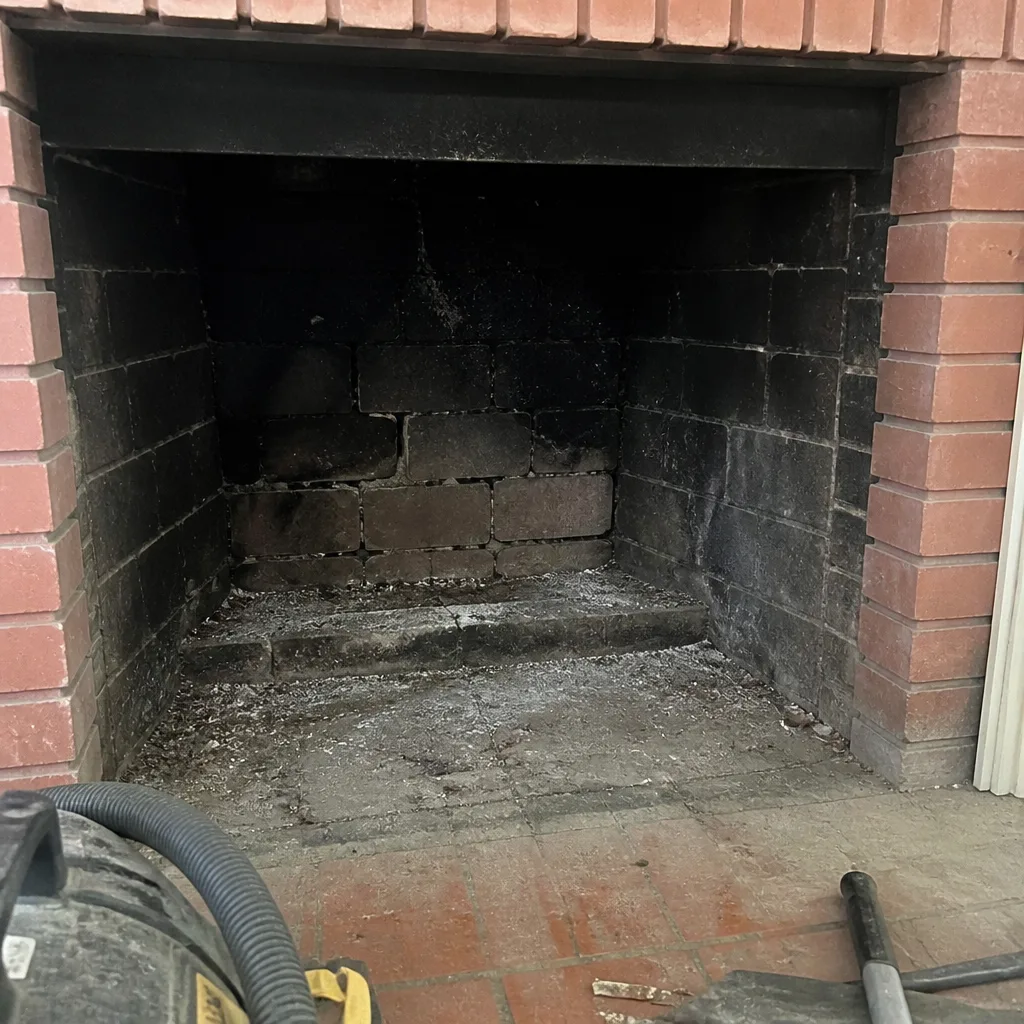 Before
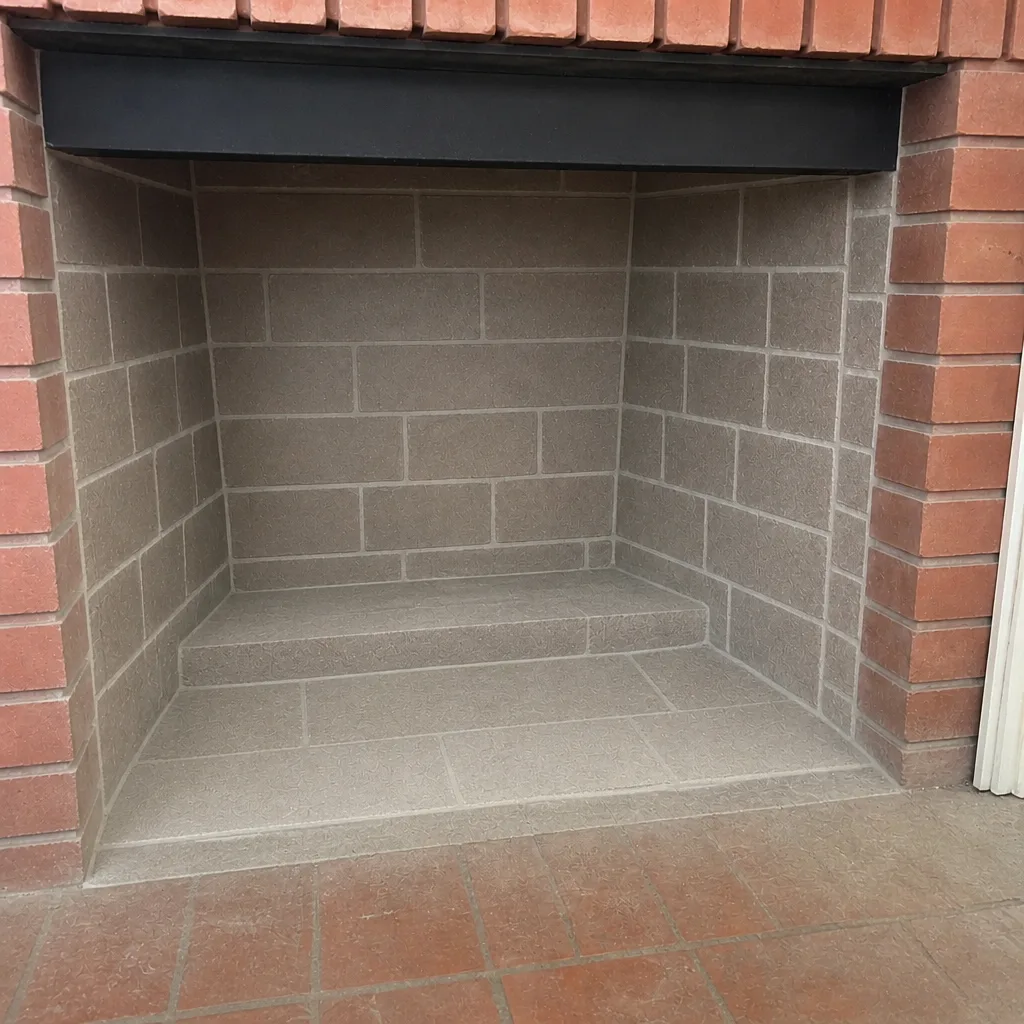 After
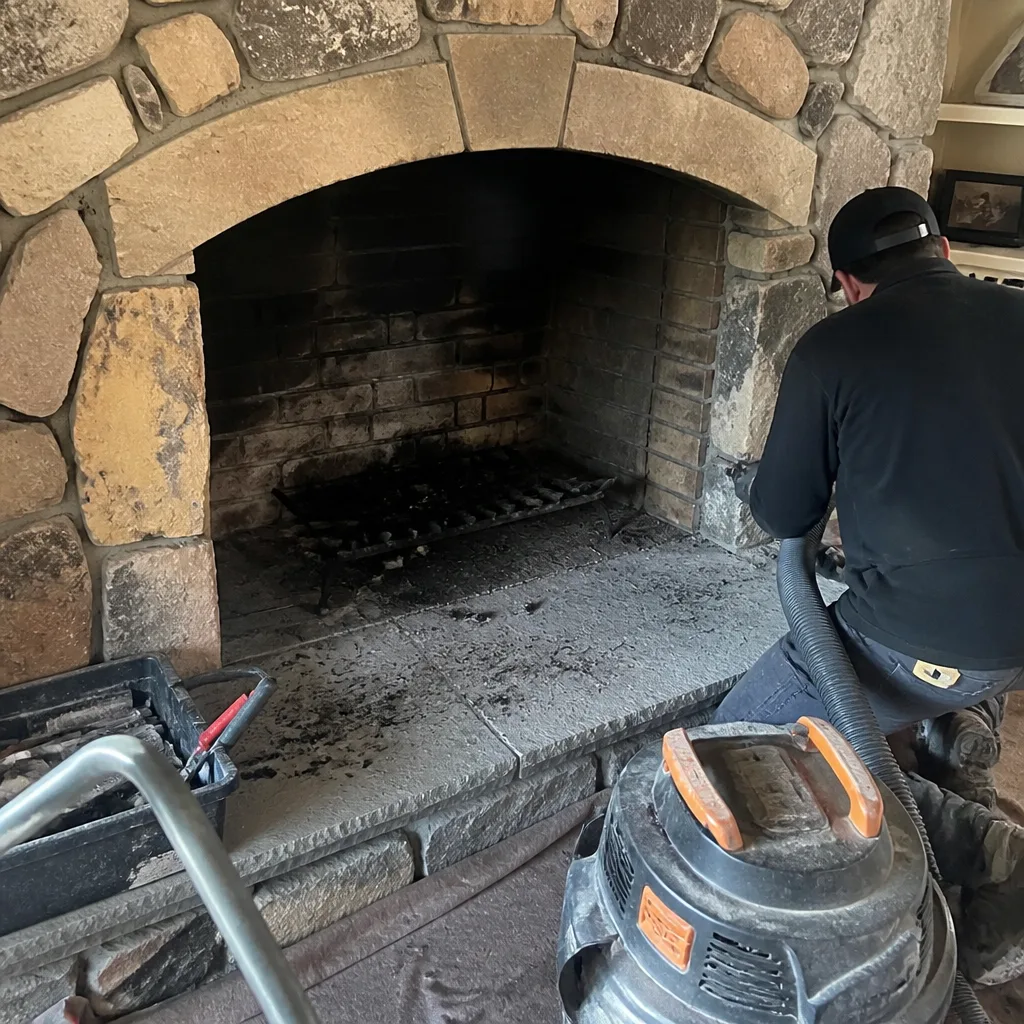 Before
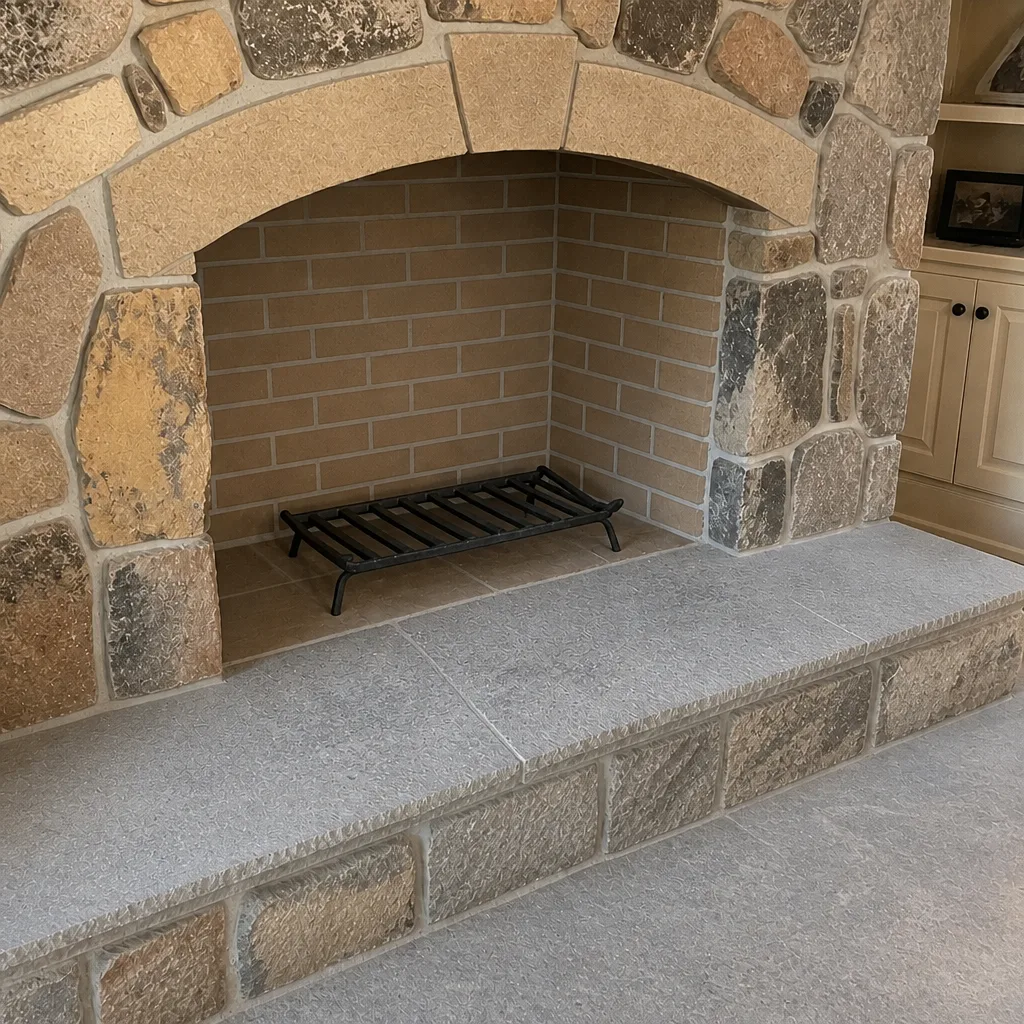 After
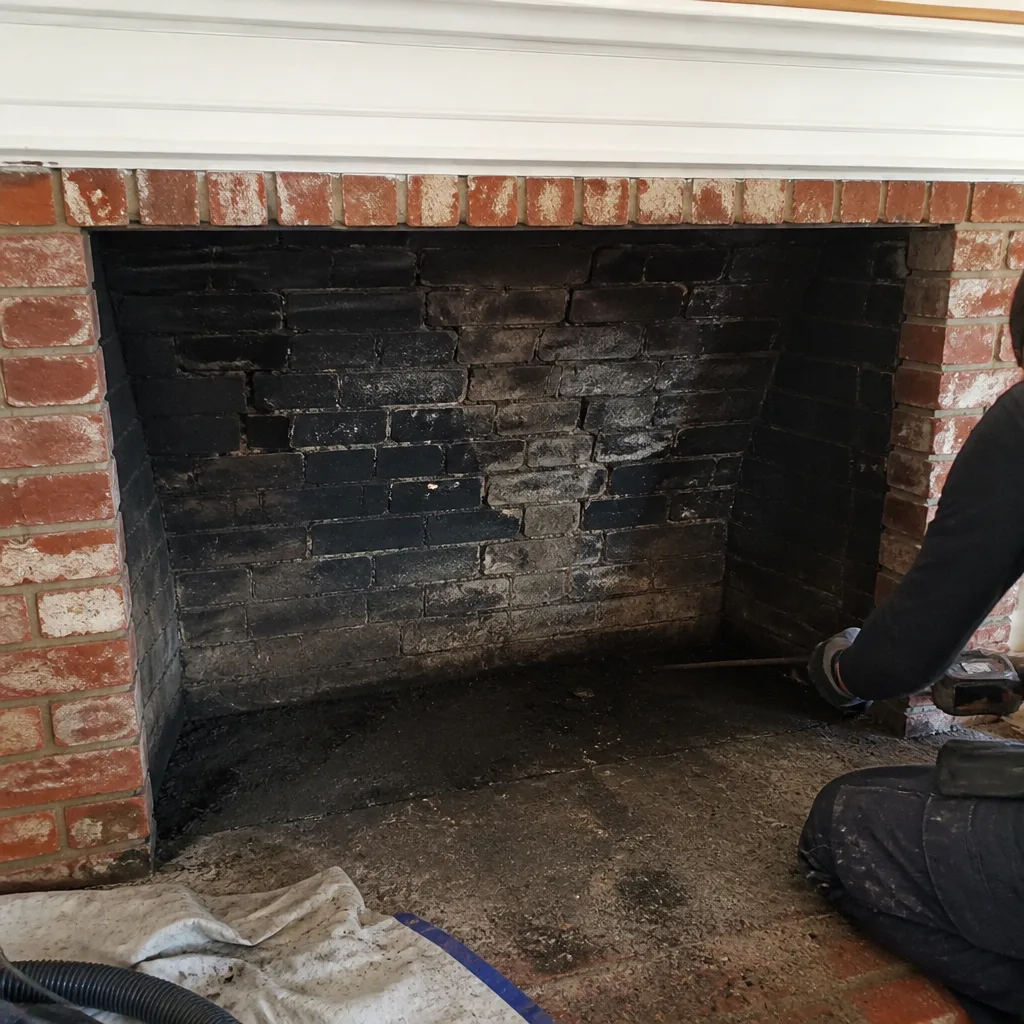 Before
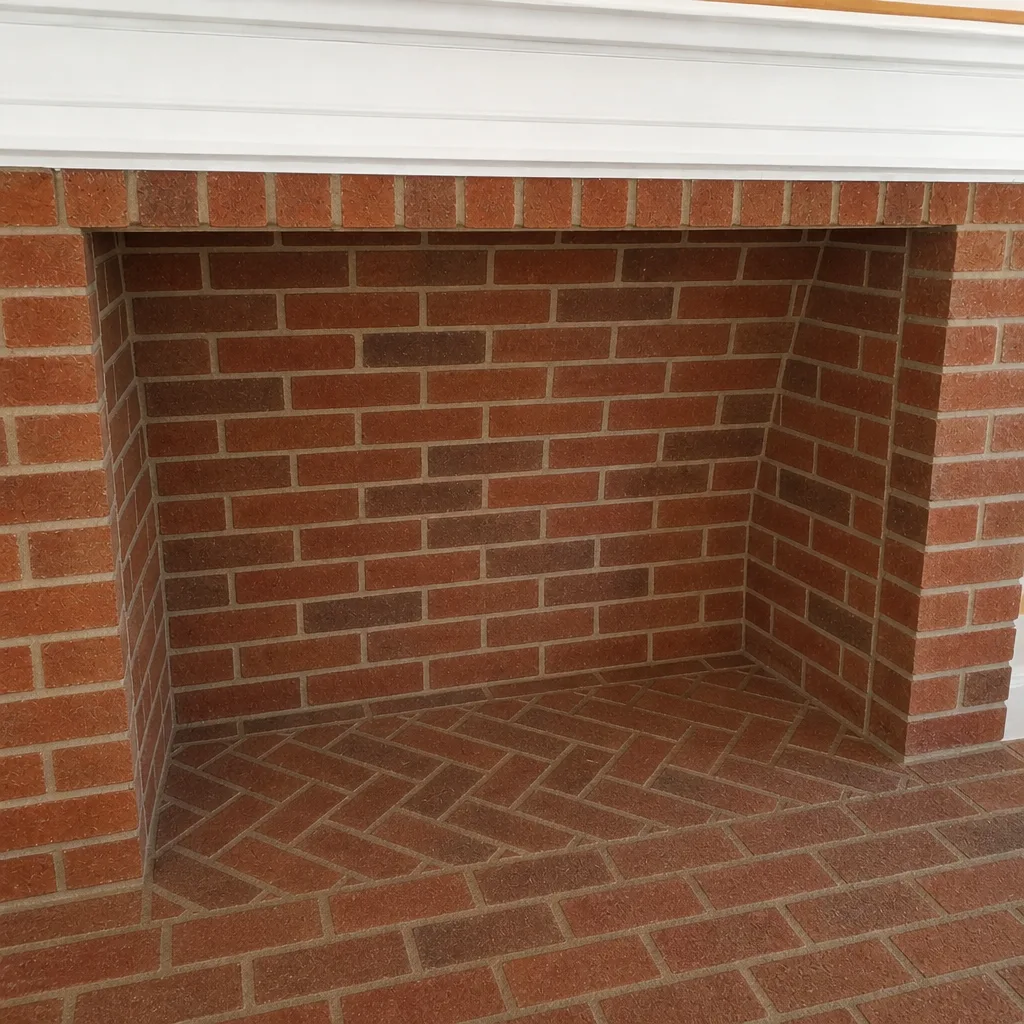 After
When to Call a Professional
Some chimney issues are for a homeowner’s eyes. The rest need a trained technician with a camera and proper containment. Call a professional when you see soot staining on the wall near the fireplace, detect a smoky odor that persists after the fire is out, or notice creosote visible at the top of the firebox. If you’ve never had the flue inspected, or the last inspection was more than a year ago, it’s time. If a bird or animal has gotten into the flue, that’s a call. If the fire smokes into the room on startup or won’t draft properly, that’s a call. And if a fireplace has been unused for years before you moved in, treat it as needing inspection, not just a sweep. Chimney Sweep Porter Ranch offers free estimates in Porter Ranch. Call (855) 658-5280. We answer 24/7. Fast dispatch from 7am to 7pm, Sunday through Friday.
For homes across the Porter Ranch area with a fireplace you actually use, our recommendation is a sweep and inspection once a year, with the camera added when the visual inspection flags anything worth a closer look. That pattern catches nearly every issue we see before it becomes expensive.
Frequently Asked Questions
A basic chimney cleaning in Porter Ranch typically runs $180 to $280, while a sweep with a Level 1 inspection and written report commonly lands between $250 and $350. Add a Level 2 camera inspection and you’re looking at $320 to $420. The written estimate after inspection sets the final price, since what’s actually found in the flue determines the scope. Call (855) 658-5280 for an exact quote, estimates are free.
You need a new liner only if the flue isn’t safe to vent through, and that determination should be backed by camera footage you can look at yourself. A partial reline using a ceramic resurfacing system like HeatShield is often enough if the damage is confined; full replacement with a flexible DuraFlex liner is reserved for cases where the original liner can’t be restored. We won’t recommend either without showing you the footage first. If you’ve been quoted a liner repair you can’t verify, call (855) 658-5280 and we’ll look at the photos with you.
For an active wood-burning fireplace, the standard is once a year plus any time you’ve burned an unusually heavy amount. Gas fireplaces typically need service less often, but they still need an annual visual inspection and a burner-area check. The reason annual matters is that the inspection catches what a cleaning alone can’t, like a failing cap or a hairline crack. If it’s been over a year, call (855) 658-5280 to schedule.
Skipping a cleaning lets creosote accumulate and lets flue problems go unnoticed, which raises the chance of a chimney fire and can lead to a much larger repair bill later. The likely outcomes are stage-3 creosote buildup that costs more to remove, a compromised liner that turns a repair into a replacement, or an unattended fire. None of those are certain, but the probability climbs with each skipped season. Call (855) 658-5280 before the next burn season, estimates are free.
Quotes vary because the scope varies, not because the market is chaotic. A low quote is often a hand-brush sweep with no written report and no containment; a higher quote includes mechanical cleaning, HEPA containment, and a documented inspection with photos. Sort the quotes by what they include, not by price, and the range makes sense. Call (855) 658-5280 and we’ll send a written estimate you can compare line by line.
Yes. Chimney cap installation typically runs $180 to $320 and crown repair $300 to $650, depending on extent. We install professional-grade caps from lines like Gelco, Famco, and Olympia Chimney, and we’ll show you the failed or missing hardware before we recommend replacement. Caps and crowns are the front line of moisture protection for a Porter Ranch chimney, and getting them right is worth doing once. Call (855) 658-5280 for a free estimate.
The Bottom Line
The price gap on chimney cleaning in Porter Ranch is real, but it’s a gap in scope, not in market fairness. A $79 sweep and a $349 sweep are doing different work: one brushes and leaves, the other cleans with containment and documents what it finds with photos you can keep. Pay for the scope you need, verify every recommended repair with camera footage before you approve it, and don’t skip the annual inspection just because the fire still lights. If you want the full picture, itemized and in writing, that’s the kind of estimate we’re happy to give. Call (855) 658-5280. We answer 24/7. Fast dispatch from 7am to 7pm, Sunday through Friday.
Written by the team at Chimney Sweep Porter Ranch.