
Last updated November 22, 2026
 Sweep & inspection
 Caps & crowns
 Flue relining
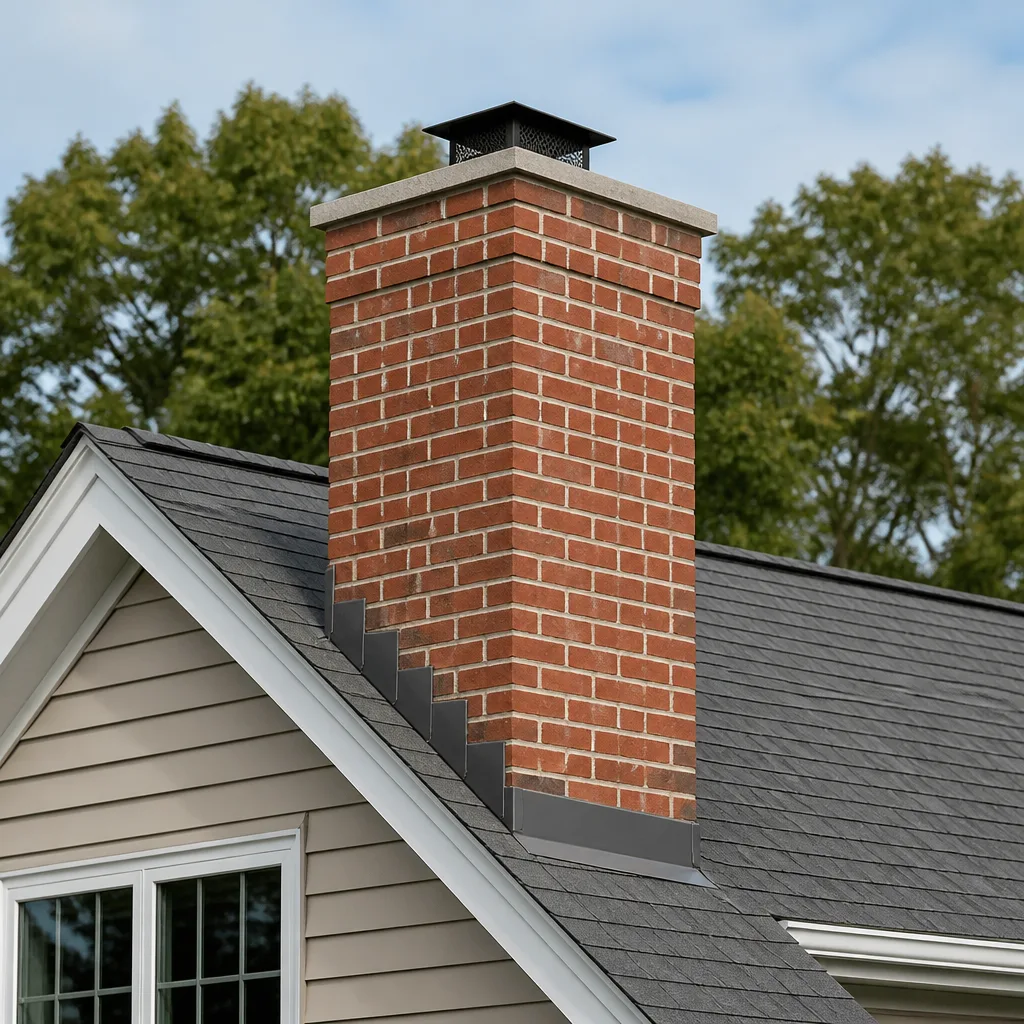 Masonry repair
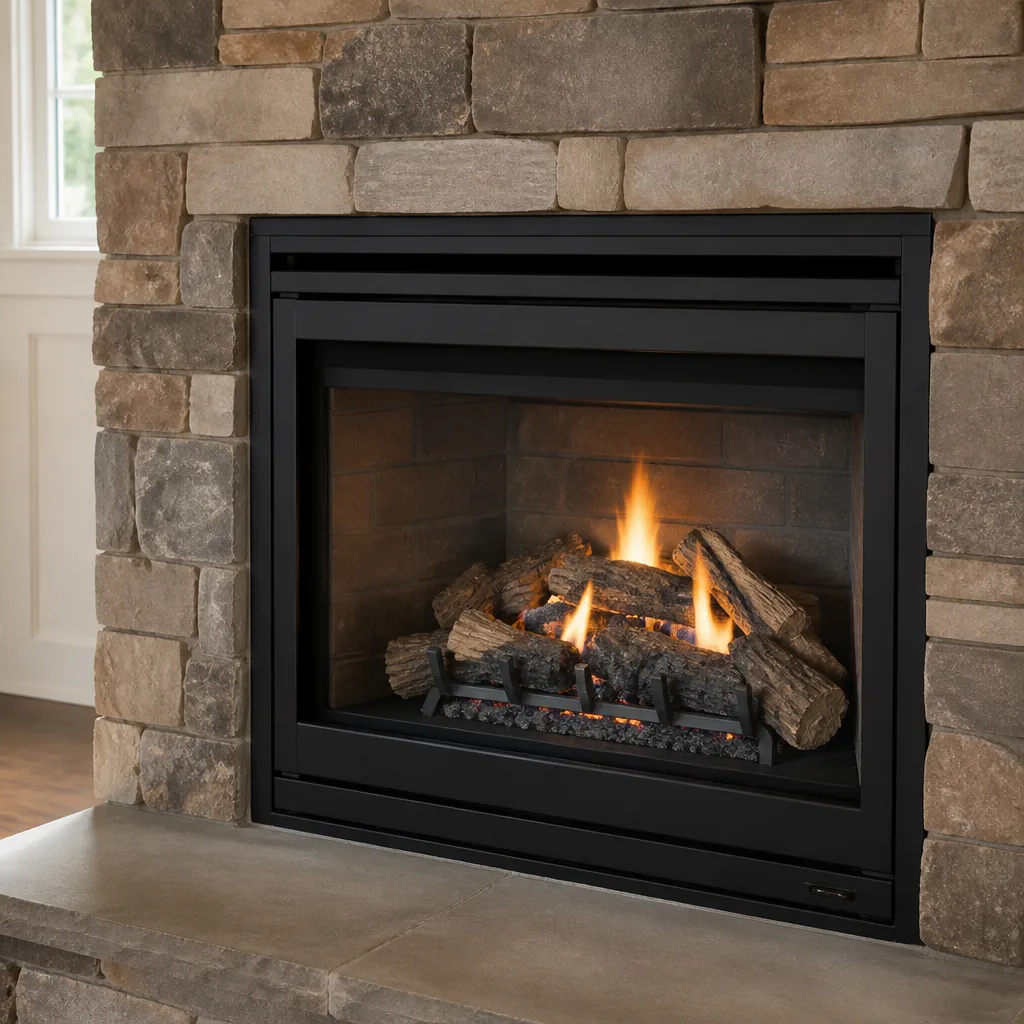 Gas fireplace service
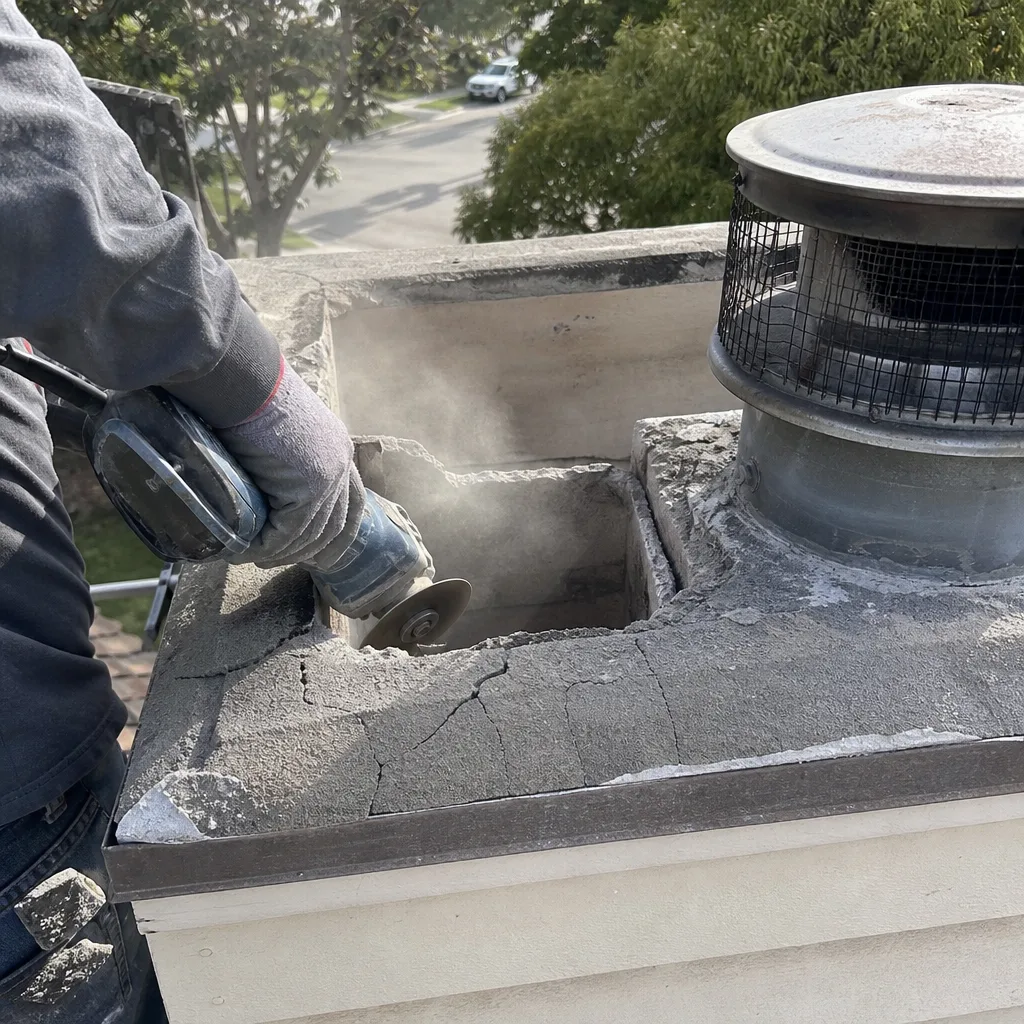
Level 1 sweep and inspection to the NFPA 211 annual standard - flue, crown, cap, and flashing checked and photographed
Chimney sweep logs do not sweep chimneys. They loosen some creosote - which then falls where a brush and vacuum still have to collect it.
DIY vs Professional Chimney Cleaning: The Porter Ranch Homeowner’s Decision Guide
Most homeowners assume the only thing separating a DIY sweep from a professional one is the brush. It isn’t. The brush is the least interesting part of the job. What you’re really buying is a trained eye on your liner, your smoke chamber, and the rest of the system, plus a written record of what that eye saw. In Porter Ranch, that record carries weight beyond fire safety: many homes sit inside designated fire zones, and documentation of routine chimney maintenance can matter when an insurance claim is on the line. This guide walks through what a brush kit actually cleans, what it misses, when DIY is genuinely reasonable, and how to decide for your own home.
Quick Answer
DIY chimney cleaning is a reasonable option only for a narrow case: a homeowner with a masonry fireplace, an open flue, fewer than four fires a month, and no history of creosote stage issues. For everyone else in Porter Ranch, especially homes with inserts, gas appliances, or past creosote problems, professional cleaning is the safer and more useful call. The reason isn’t the brushing itself. It’s that a chimney sweep also inspects the liner, the smoke shelf, and the smoke chamber, and that inspection is where most real problems surface.
Styles & brands we work with
- Sweep & inspection
- Caps & crowns
- Flue relining
- Masonry repair
- Gas fireplace service
Table of Contents
- What a DIY Chimney Brush Kit Actually Cleans
- What “Cleaning” Doesn’t Cover
- Why Porter Ranch’s Fire Zones Change the Calculus
- When DIY Chimney Cleaning Is Reasonable
- The Real Equipment Cost of a DIY Setup
- How a Professional Sweep Actually Works
- How to Choose a Chimney Sweep in Porter Ranch
- Common Mistakes to Avoid
- When to Call a Professional
- Frequently Asked Questions
What a DIY Chimney Brush Kit Actually Cleans
A DIY chimney brush kit cleans the flue. That’s it. It does that one task, and on a straight open flue it does it competently. The brush scrapes creosote off the interior walls of the flue, and if the creosote is light and powdery, most of it comes down into the firebox with a drop cloth and a shop vacuum. That is the beginning and end of the brush kit’s reach.
What the kit does not clean:
- The smoke shelf. This is the flat ledge behind the damper that collects soot and creosote over time. Brushing the flue sends debris down onto it, and if it isn’t cleared, it sits there season after season.
- The smoke chamber. The sloped area above the damper is where smoke funnels into the flue. Its shape makes it hard to reach with a flue brush, and creosote builds up on the corrugated surface. Professional sweeps use a specific tool for chamber walls. A flue brush will not touch them.
- The liner condition. A flue brush tells you nothing about whether the liner has cracks, gaps, or has been compromised by a previous chimney fire. You can’t see it from the bottom, and most homeowners can’t see it from the top either without climbing onto the roof, which is a separate safety concern.
- The firebox and damper assembly. Cracks in firebox mortar, damaged damper hinges, and rusted dampers all get flagged during a professional sweep. The brush never visits them.
If your flue is straight, your firebox is masonry, and you’re burning only occasionally, a DIY brush may be enough for the flue itself. The trouble is that “the flue is clean” and “the chimney is safe” are two different statements, and brush kits only support the first. For a more accurate picture of what a professional chimney sweep includes, the standard breakdown is worth reviewing before you decide.
What “Cleaning” Doesn’t Cover
Even in professional hands, cleaning and inspecting are two distinct services. Cleaning removes the creosote and soot. Inspection reads what’s left after the cleaning, and it’s the inspection that answers the question most homeowners actually have: is the system safe to burn this season?
A professional sweep reads for:
- Creosote stage. Stage 1 creosote is powdery and brushes off. Stage 2 is flaky and harder. Stage 3 is glazed and requires mechanical removal techniques with specialty tools. If you can’t identify which stage you’re seeing, you can’t pick the right tool for the next burn season.
- Liner integrity. Clay tile liners crack. Metal liners (DuraFlex and similar flexible systems) can lose connections or crack at joints. Either failure sends heat and carbon monoxide into the wall cavity. Only an inspection catches it.
- Smoke chamber parging. The smoke chamber should be smooth to reduce creosote accumulation. Many older Porter Ranch homes have rough, unparged chambers that could benefit from HeatShield ceramic resurfacing, a professional restoration step no homeowner can perform with a brush and a shop vac.
- Draft performance. A trained technician notices whether the chimney is drafting properly. Poor draft can be caused by insufficient chimney height, an oversized flue, or a blocked cap.
We identify the problem and fix it. A sweep who only cleans and walks away has done half the job. Ask any technician you hire two things: what they inspected, and what they found.
Why Porter Ranch’s Fire Zones Change the Calculus
Porter Ranch sits in a high fire severity zone, and many homes in the area fall within Wildland-Urban Interface (WUI) designations. That classification matters for more than brush clearance. It changes how insurance carriers think about your property.
California’s FAIR Plan, the state’s insurer of last resort, has become the primary carrier for a growing number of fire-zone homes. When you file a claim following a chimney-related fire, the carrier will want to see evidence that the system was being maintained. A written inspection report from a professional sweep, dated and describing the condition of the liner and firebox, is documentation with claims value. A homeowner’s memory of “I brush the flue every fall” is not.
That doesn’t mean every Porter Ranch homeowner needs an inspection every year. It means that if you’re going to invest in chimney maintenance, doing it in a way that produces a written record is more useful than doing it yourself and hoping nothing happens. This is especially true in neighborhoods closer to the northern hills, where the fire-zone map tends to be strictest and where insurers apply the most scrutiny.
The other Porter Ranch-specific factor is the housing stock. Many homes here were built with masonry fireplaces and clay tile liners, which have a limited lifespan before cracking. If your home is more than a couple of decades old and you’ve never had the liner inspected, the question of whether to DIY is secondary. The question of whether your liner is intact comes first.
When DIY Chimney Cleaning Is Reasonable
There is a genuine DIY case, and it’s narrower than most chimney guides acknowledge. All four of the following should be true before you pick up a brush:
- Your fireplace is masonry with an open flue. No insert, no gas appliance, no pellet stove. Inserts and gas fireplaces require manufacturer-specific cleaning and cannot be safely brushed from below.
- You burn fewer than four fires per month. Low burn volume means low creosote accumulation, which means a basic annual brush is unlikely to miss glazed buildup.
- You have no prior creosote stage 2 or stage 3 issues. If any sweep has ever flagged a creosote stage problem at your home, that history alone rules out DIY for the next several seasons until you’ve had a clean professional inspection.
- You can safely access the roof or work the flue entirely from below. Rooftop access is not a DIY-friendly task. Working from the top of a flue on a sloped roof carries real fall risk, and a fall from that height is not recoverable in the way a scraped knee is.
If all four hold true, a basic annual brush with a properly sized poly brush and a HEPA vacuum can perform the core cleaning function. That’s the extent of the safe DIY case. If any of the four doesn’t hold, professional inspection and cleaning is worth the cost, not because cleaning is difficult, but because the inspection is where you find out what you can’t see.
The Real Equipment Cost of a DIY Setup
Homeowners typically price a DIY chimney brush kit at $50 to $150 and conclude that DIY is dramatically cheaper. That’s the cost of a basic flue brush, and it’s a fair price for that tool. But the setup that gets you close to what a professional sweep uses is more involved:
- Professional-grade HEPA vacuum: $150 to $350. A shop vac will blow soot particles back into the room, and soot is a fine particulate that settles everywhere.
- Full brush set sized to your flue: $80 to $150. You need the correct diameter or you’ll either miss creosote or risk damaging the liner.
- Drop cloths and containment: $40 to $80. Chimney sweeping makes more mess than most first-timers expect.
- Inspection light and mirror: $30 to $70. Basic visual assessment of the smoke shelf and liner, though not a substitute for a camera inspection.
- Rods, adapters, and safety gear: $100 to $150. Including the right respirator.
Add it up and you’re at $400 to $700 to replicate even a basic professional setup, before you pay for ladder work, before you spend an afternoon on your knees in a firebox, and before you accept that you still can’t assess your liner. A professional sweep includes a camera inspection and a photo report, uses professional-grade equipment, and produces a written record. The comparison is less “cheaper vs. more expensive” and more “one afternoon with a brush vs. one service call with documentation.”
How a Professional Sweep Actually Works
A professional sweep follows a sequence that remains consistent from one company to the next, even if the details vary. Here’s what a standard visit looks like:
- Walkthrough and setup. The technician lays drop cloths, sets up a HEPA vacuum containment system, and confirms the appliance type (wood, gas, or insert).
- Camera inspection. Before any brushing, the technician runs a camera up the flue to establish the baseline condition. Creosote stage, liner integrity, and any blockages are noted.
- Brushing. The correct brush for the flue diameter is run through, followed by specialty tools for the smoke shelf and smoke chamber. Any glazed creosote is addressed with chemical or mechanical removal appropriate to the stage.
- Firebox and damper. The firebox mortar, damper hinge, and damper plate are checked and cleared.
- Post-cleaning inspection. The camera runs again, capturing before-and-after photos and any areas of concern.
- Photo report. You receive a written report describing the lining, any cracks or gaps, the smoke chamber condition, and any recommended repairs.
That last item is the one most worth paying attention to. It’s also where a full-service company earns its place, because the next step – whether it’s a new chimney cap & crown to keep moisture out or a DuraFlex liner to replace a cracked clay tile system – can be handled without a second contractor and without a gap between inspection and repair. The single-source model also applies across fireplace repair work, which is often needed when a firebox shows cracked mortar or a damaged damper.
How to Choose a Chimney Sweep in Porter Ranch
Chimney sweeping is an unlicensed trade in California, which means anyone can buy a brush and call themselves a sweep. That’s why the vetting questions matter more than in licensed trades. Here’s what to ask before booking:
- Do you include a camera inspection and photo report? If the answer is no, the visit only covers cleaning. The inspection is the reason to hire a professional.
- Do you handle repairs in-house, or do you subcontract? A sweep who can install a Gelco or Famco chimney cap, restore a liner with HeatShield ceramic resurfacing, or install a DuraFlex liner system is more likely to give you a useful recommendation, because they’ve seen the repair from both sides.
- What brands do you work with? Professional chimney specialists use trade-level materials. If a company can’t name the brands they install, ask what they’d recommend for your specific system and why.
- Do you work in Porter Ranch’s fire zones? Local experience matters for understanding what insurers and local permitting want to see.
- What does the written estimate include? A sweep should provide a flat-price sweep figure before booking, with any repairs quoted separately after inspection.
Our technicians have up to 13 years of experience with chimney and fireplace systems, and we work with Copperfield, DuraFlex, HeatShield, Gelco, Olympia Chimney, and Famco products because those are the materials chimney specialists actually trust. If a quote feels vague, ask what specific materials are being used. The answer tells you a lot about how the job will go.
Common Mistakes to Avoid
- Assuming “clean” means “safe.” A flue brush only confirms the flue is free of visible creosote. It says nothing about liner cracks, smoke chamber condition, or draft. A clean flue with a cracked liner is a carbon monoxide problem waiting to happen.
- Skipping the roof inspection because the flue looked fine from below. Caps, crowns, and chimney flashing all sit at roof level, and each one is a moisture entry point. If you never look, you never see the problem until water is in the attic.
- Using a shop vac instead of a HEPA vacuum. Soot is a fine particulate that passes straight through a standard filter and resettles throughout the house. The difference between a HEPA setup and a shop vac is the difference between one room being dirty and the whole house being dirty.
- Burning wet wood to save money. Unseasoned wood produces far more creosote than dry, seasoned wood, and it moves a low-volume burner into stage 2 creosote territory within a season. The money saved on wood is spent on the next cleaning.
- Ignoring the smoke chamber because the flue looks clean. The smoke chamber collects creosote the flue brush never touches. Rough, unparged smoke chambers are the most common cause of chimney fires on homes that looked “clean” from the firebox.
- Not saving inspection reports for insurance. In Porter Ranch’s designated fire zones, a dated inspection report is documentation with real claims value. File it with your policy documents.
- Burning without a proper chimney cap. An uncapped flue is an open invitation for birds, squirrels, and rainwater. A professionally sourced cap (Gelco or Famco, for example) is cheap insurance against a real obstruction.
When to Call a Professional
Call a professional if any of these apply: your home has a fireplace insert or gas appliance; a past sweep ever flagged creosote stage 2 or higher; your liner has never been inspected; you’re noticing smoke roll-back, a smell from the firebox outside of burn season, or visible cracking in the firebox; or you live in a Porter Ranch fire-zone home where insurer documentation matters. Also call if you simply want the inspection report, even if you’re confident the cleaning itself is fine.
Chimney Sweep Porter Ranch offers free estimates in Porter Ranch. If you’re unsure whether your setup is a DIY case, call (855) 658-5280 and describe the fireplace. We answer 24/7. Fast dispatch from 7am to 7pm, Sunday through Friday.
Frequently Asked Questions
The general rule is once per year of active burning, or after about a cord of wood. Porter Ranch’s mild winters mean many homeowners burn fewer fires per season than the general rule assumes, so a professional inspection every season and a cleaning when the inspection shows buildup is often sufficient. If you burn heavily or use the fireplace as a primary heat source, annual cleaning is the right baseline. Call (855) 658-5280 for an exact quote on your system – estimates are free.
Only if the inspection shows it’s failed. A clay tile liner with cracking, gaps at the joints, or spalling is a genuine carbon monoxide risk and should be replaced. A metal liner that’s intact and connected properly is not. Nothing should be recommended without camera evidence you can see for yourself. If the liner is fine, we’ll say so. If it needs replacement, we’ll show you the footage before recommending a DuraFlex or equivalent. Call (855) 658-5280 to schedule an inspection – estimates are free.
Creosote accumulates, and at stage 3 it can ignite. A chimney fire can crack the liner, spread into the wall cavity, and turn a routine maintenance issue into a structural repair. Carbon monoxide is the other risk, especially with a compromised liner and a gas appliance. Skipping one season rarely causes immediate harm, but skipping several in a home with a clay tile liner is how preventable fires happen. Call (855) 658-5280 to get on the schedule – estimates are free.
No. Gas fireplaces require manufacturer-specific cleaning and should only be serviced by a technician familiar with the appliance. The flue on a gas fireplace carries combustion byproducts and, in some cases, venting configuration that a standard flue brush can damage. Even homeowners who burn wood and feel comfortable with DIY on the masonry fireplace should not attempt gas appliance cleaning. Call (855) 658-5280 for a gas-specific estimate – estimates are free.
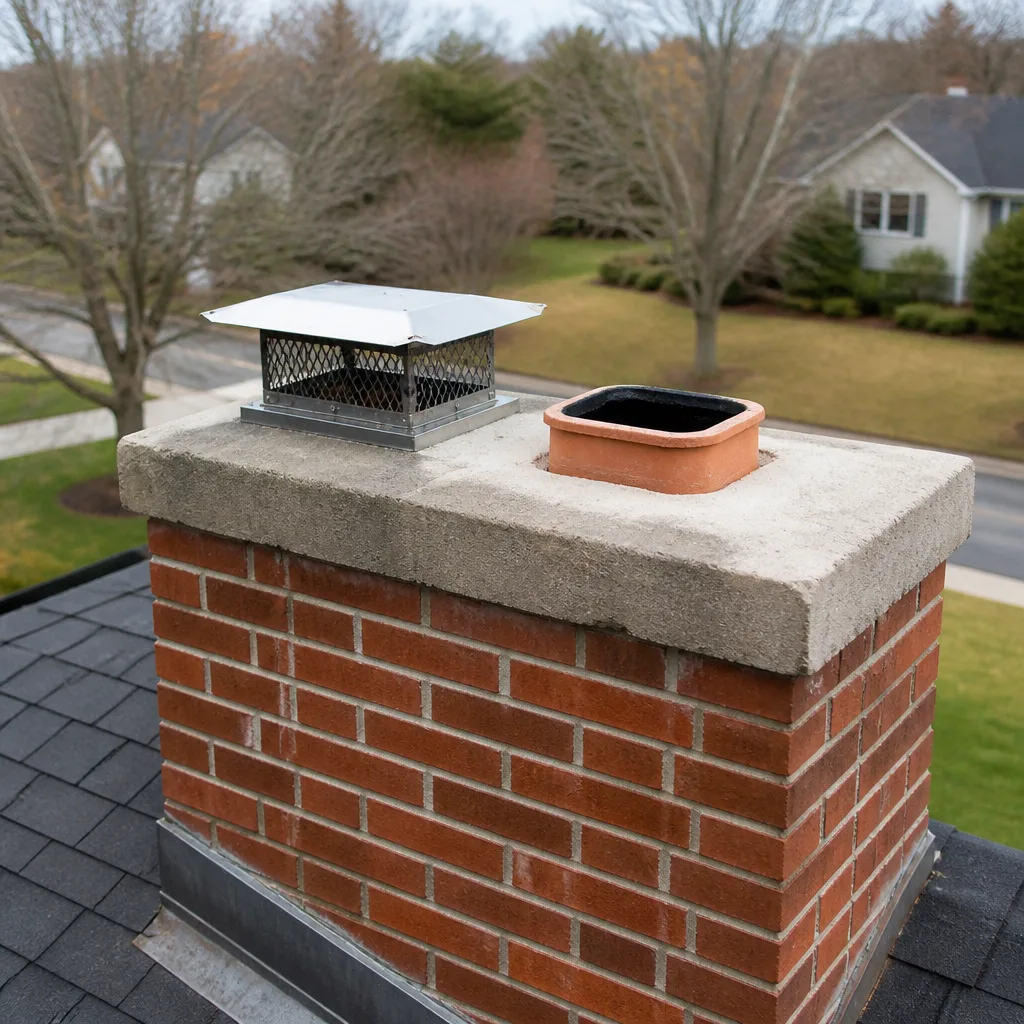
Usually as a separate item quoted after inspection. A cap is the single most effective moisture defense on a masonry chimney, and it also keeps birds and debris out of the flue. We install professionally sourced Gelco and Famco caps sized for the specific flue opening. If your current cap is missing, damaged, or undersized, it’s worth pricing the replacement alongside the sweep. Call (855) 658-5280 for a free estimate.
Yes, in the sense that a dated written inspection report documents the condition of your system, including liner, smoke chamber, and firebox, and that documentation is what an insurance carrier typically wants to see after a chimney-related loss. It’s not a guarantee of coverage. It’s the kind of record that supports a claim. If you’re in a FAIR Plan home, keeping a current inspection report on file is a low-cost way to protect the paper trail. Call (855) 658-5280 to schedule – estimates are free.
The Bottom Line
DIY chimney cleaning is real, but its scope is narrow: masonry fireplace, open flue, light burn volume, no creosote history. For everyone else in Porter Ranch, the professional sweep pays for itself through the inspection, not the brush. What you’re buying is a trained eye on the liner and smoke chamber, a camera record of what was found, and a report that has value when your insurer asks what you did to maintain the system. If you’re on the fence, a free estimate settles it quickly. Call (855) 658-5280 to schedule. We answer 24/7. Fast dispatch from 7am to 7pm, Sunday through Friday.
Written by the team at Chimney Sweep Porter Ranch.
See the difference
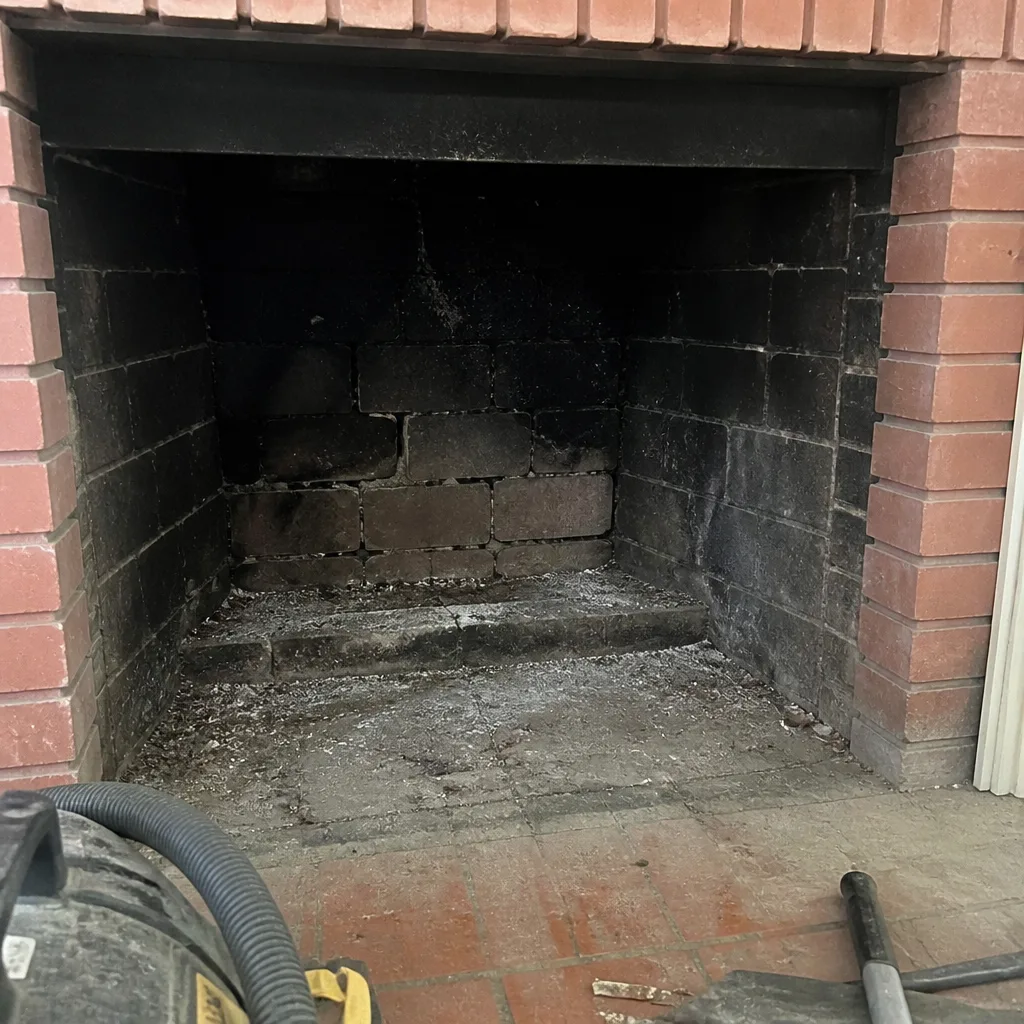 Before
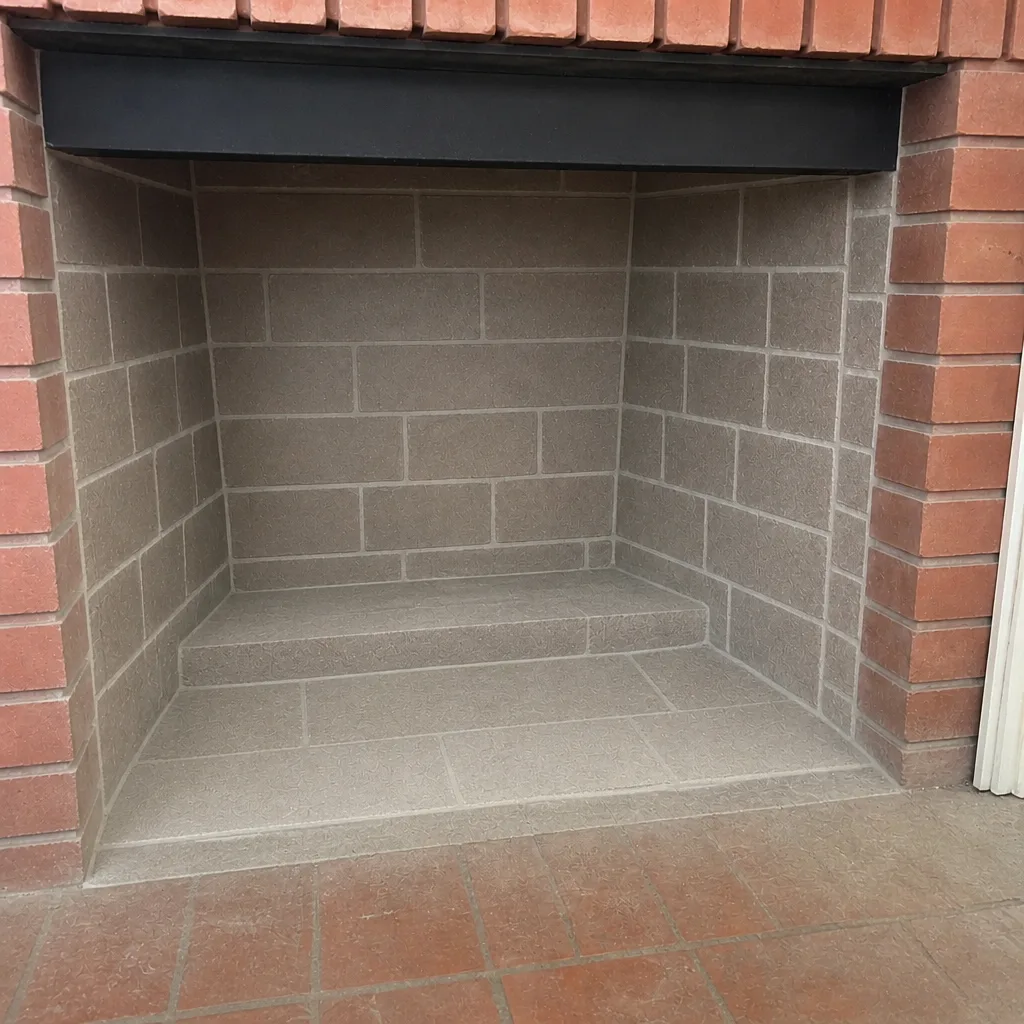 After
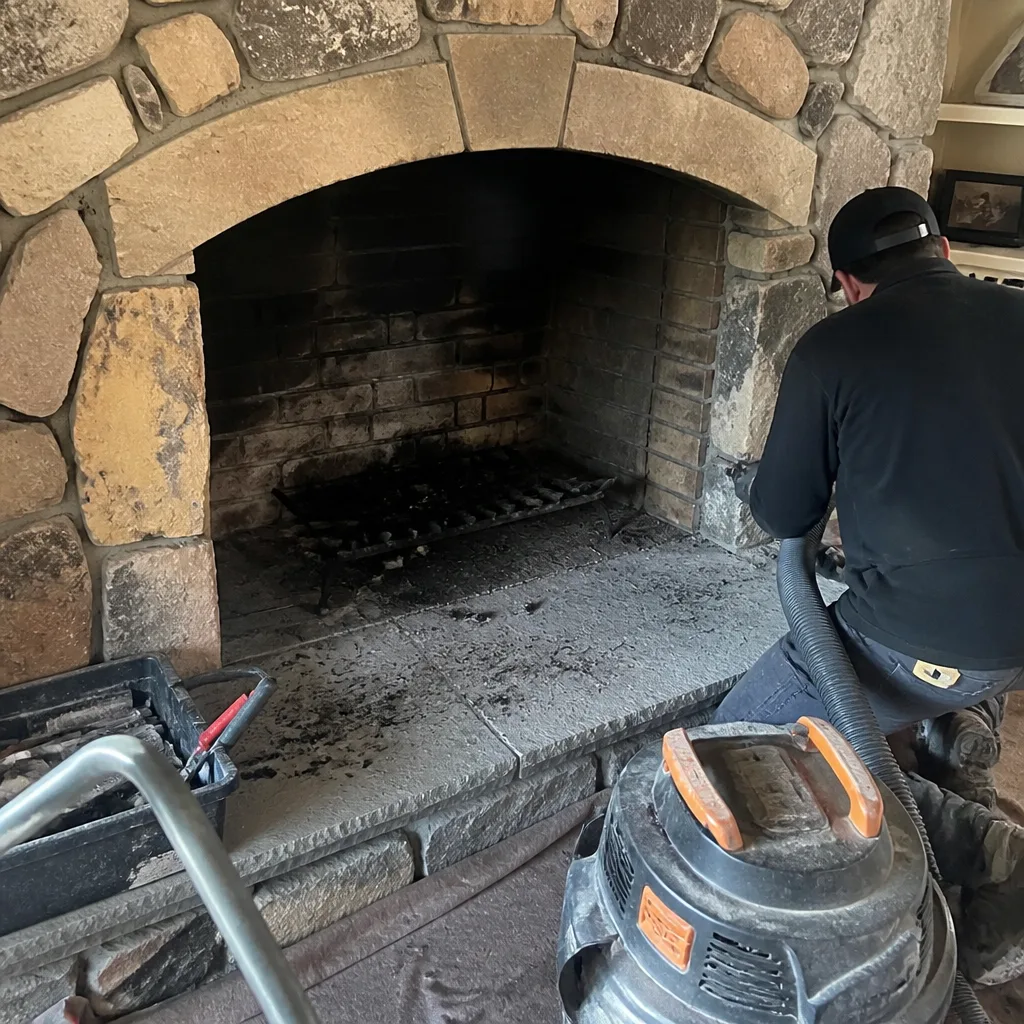 Before
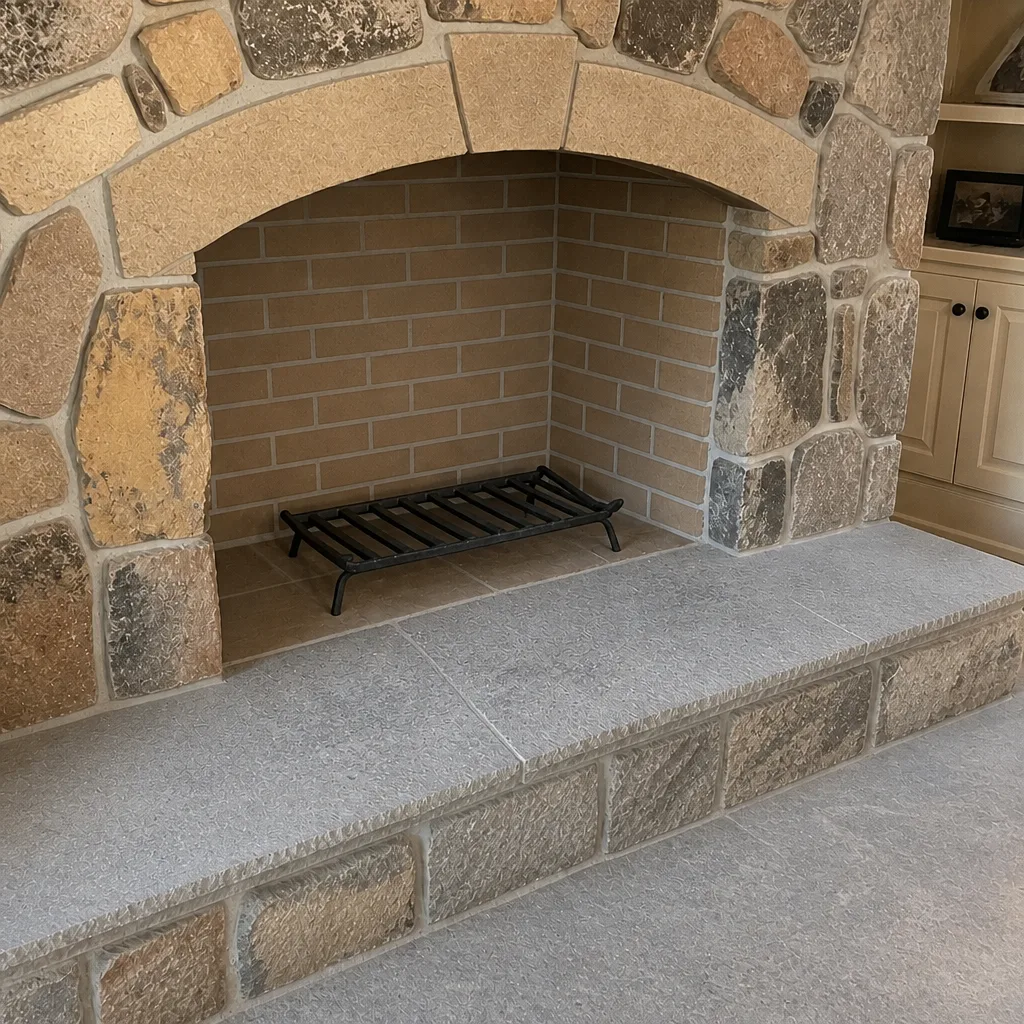 After
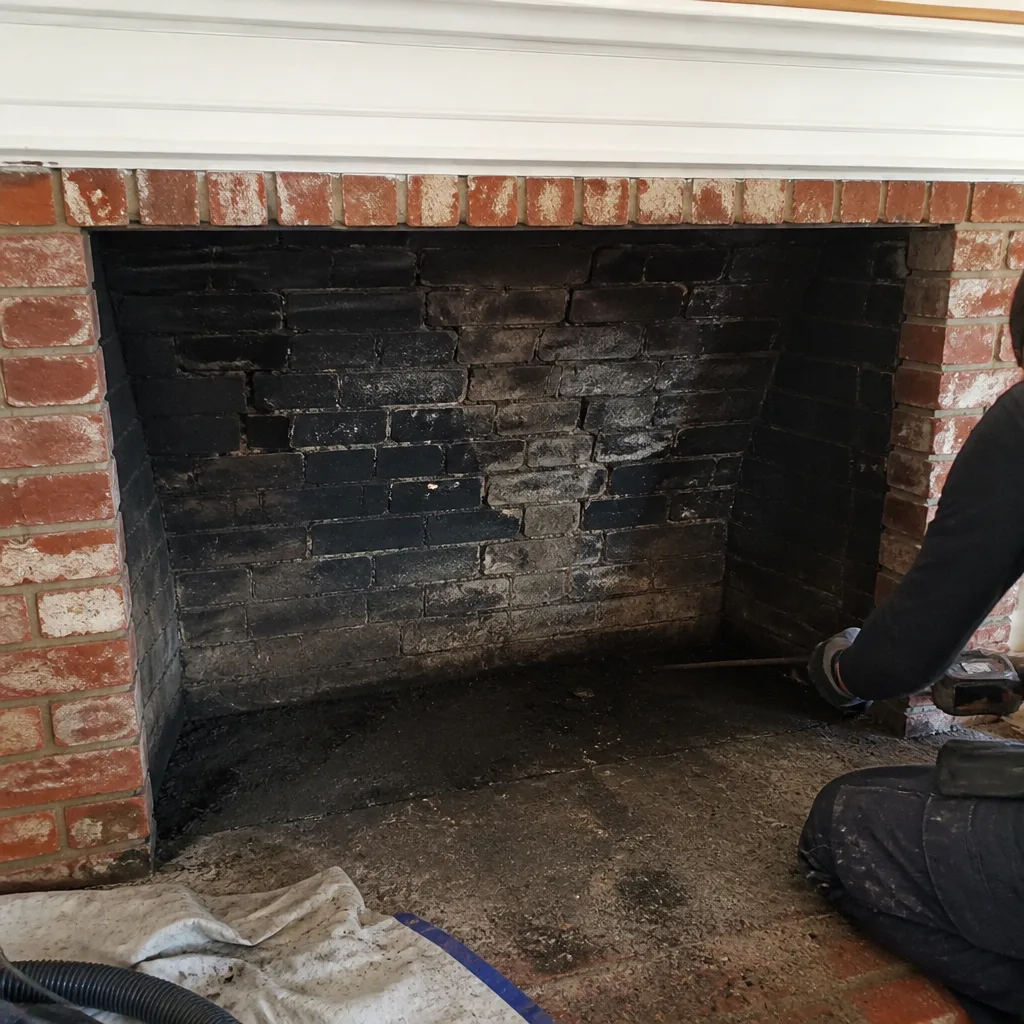 Before
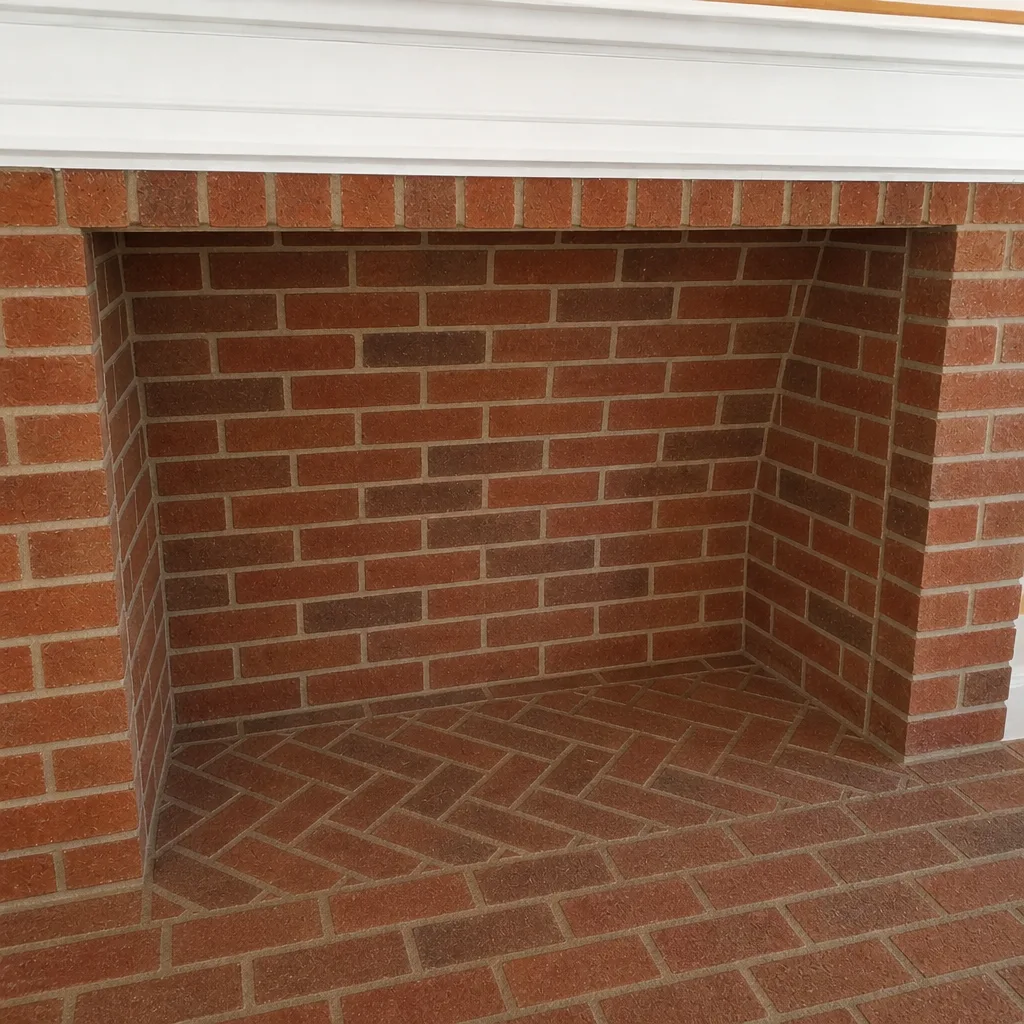 After