
Last updated November 22, 2026
 Sweep & inspection
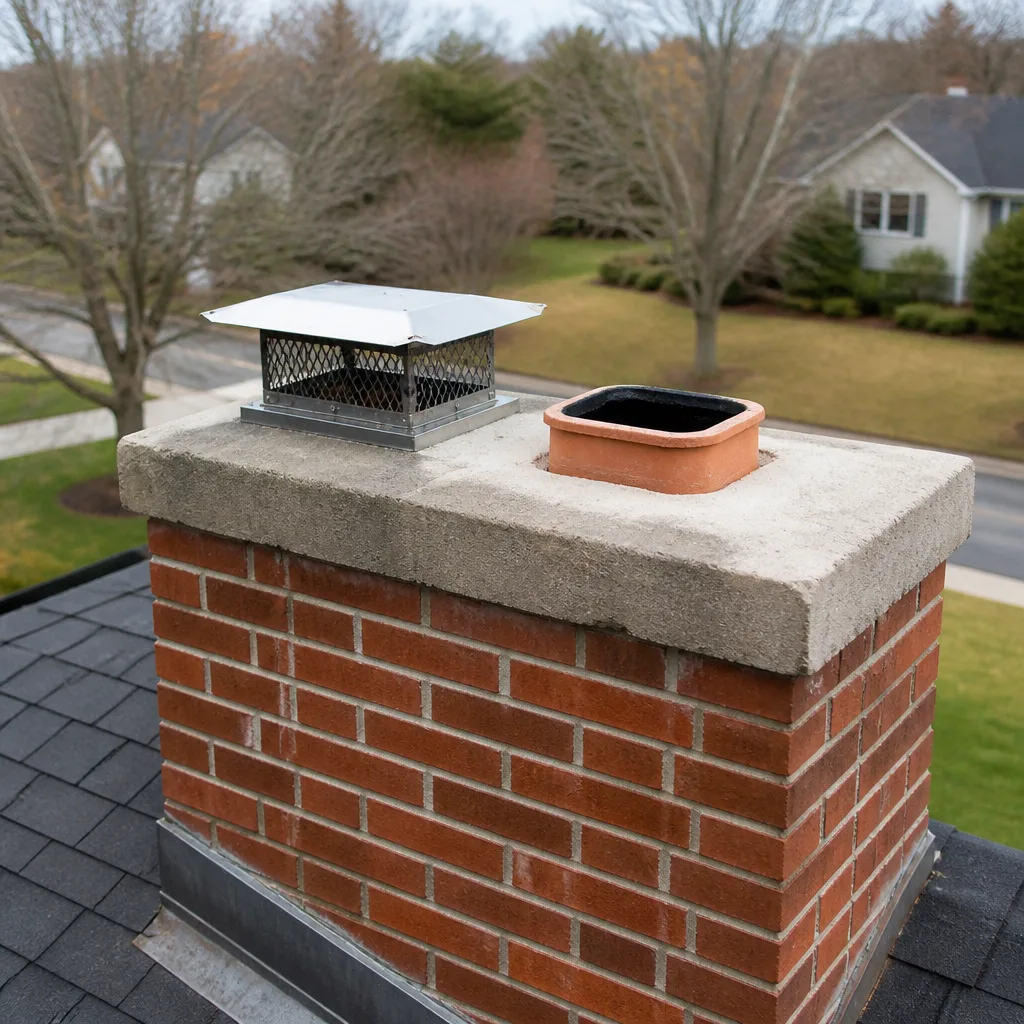
 Caps & crowns
 Flue relining
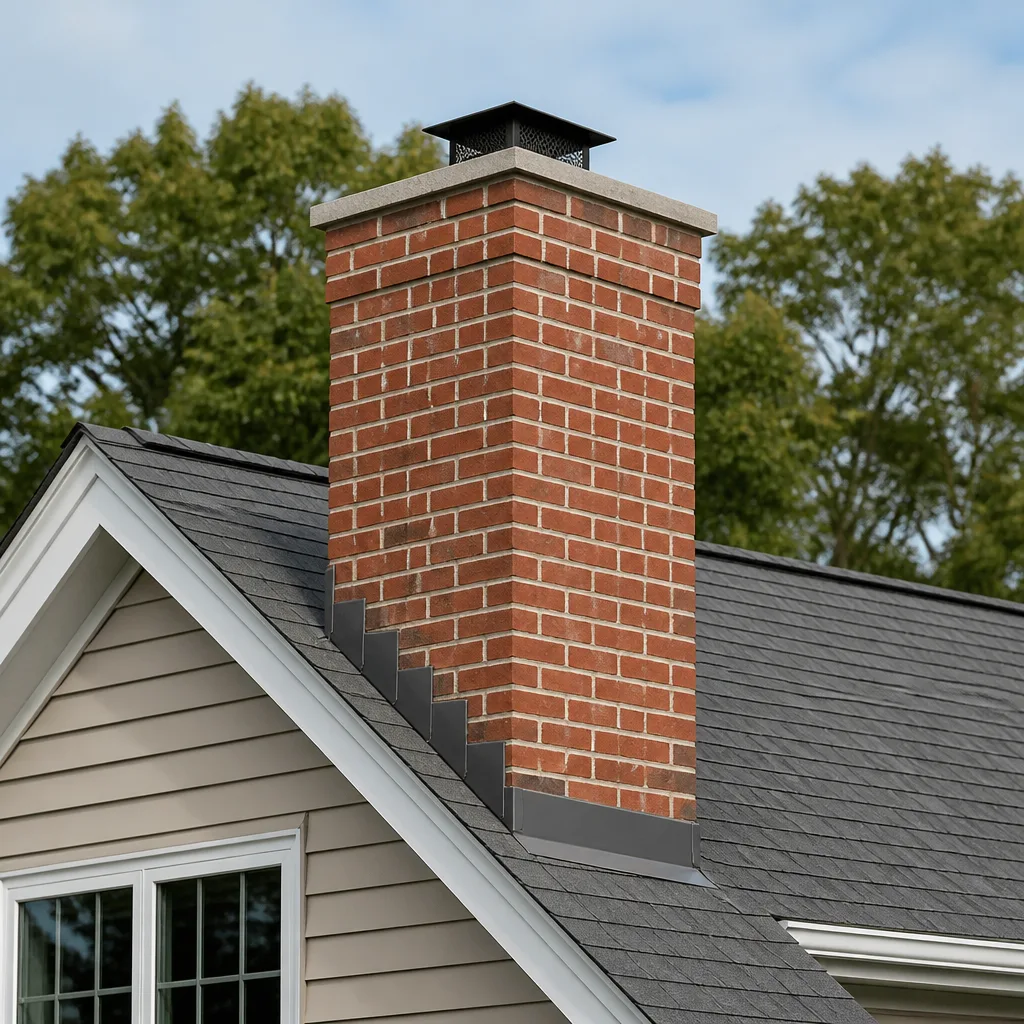 Masonry repair
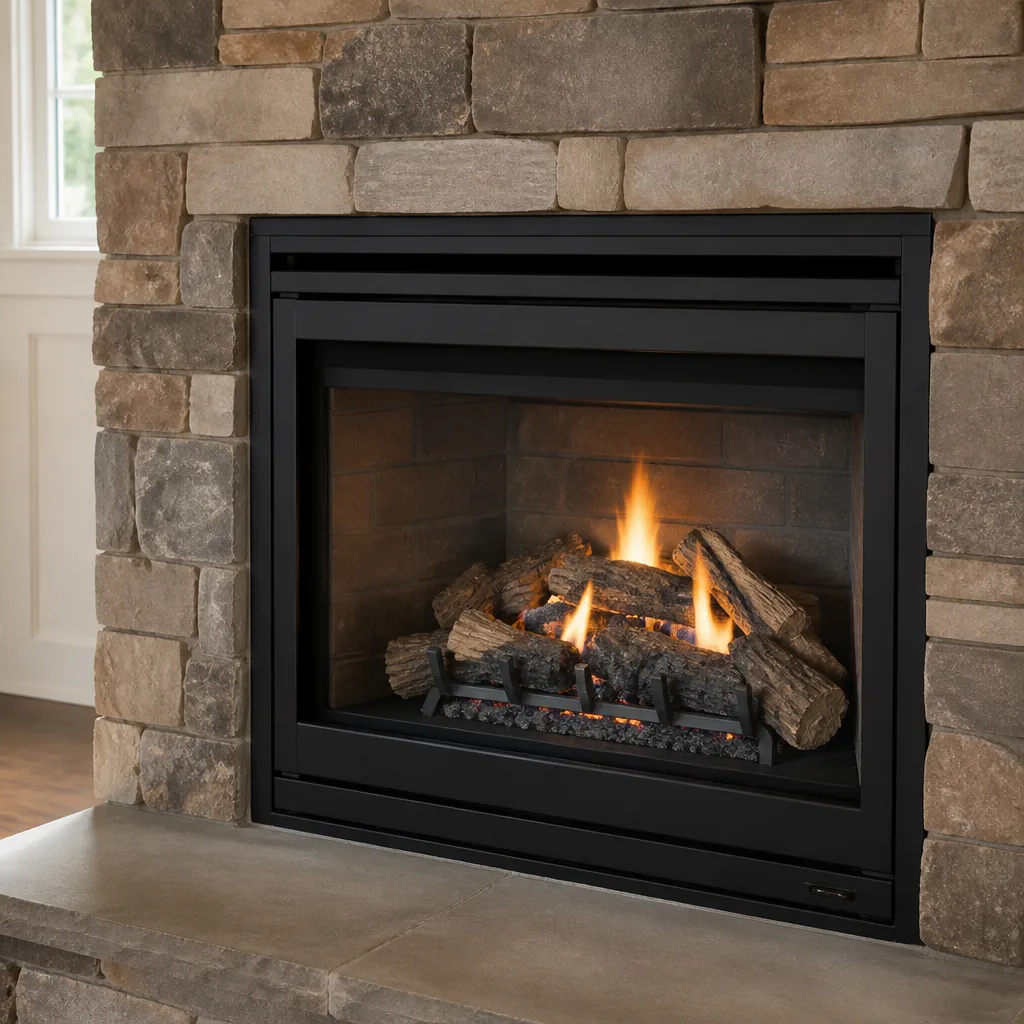 Gas fireplace service
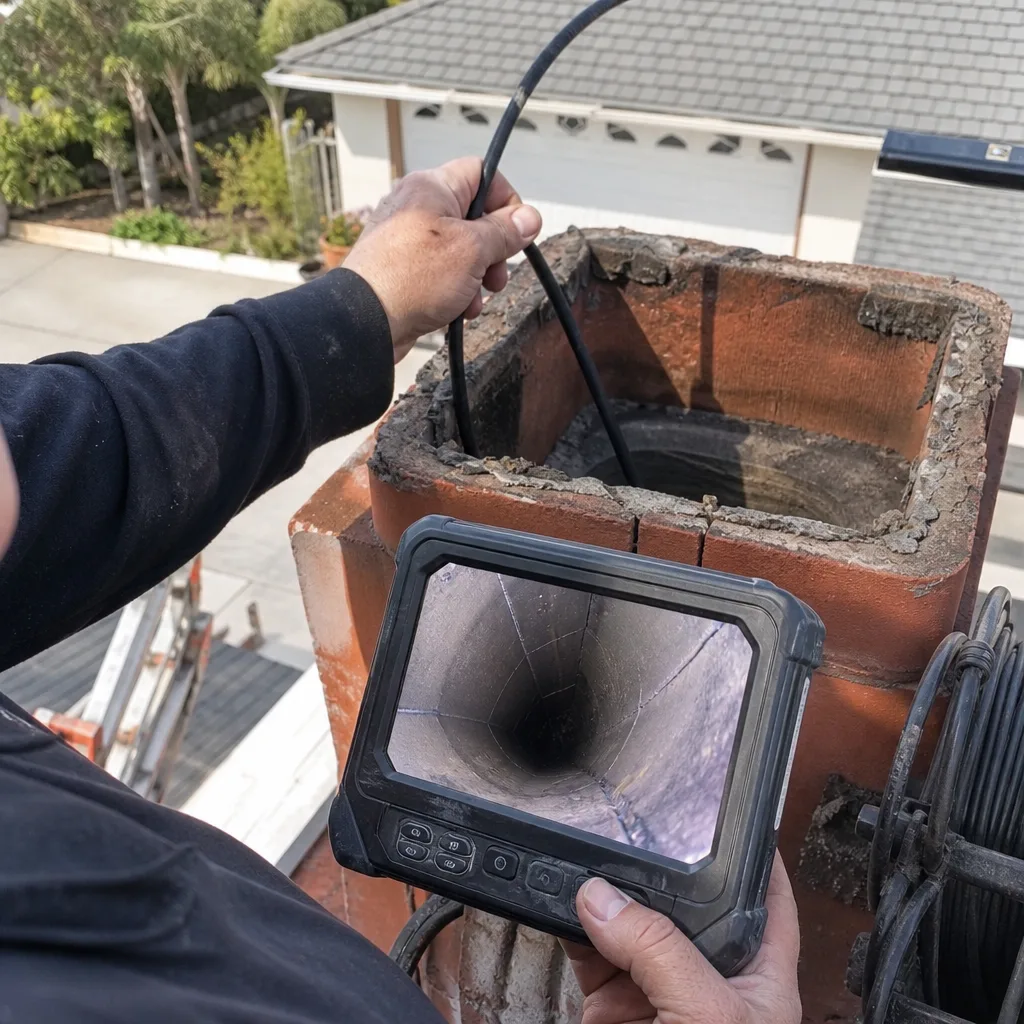
Level 1 sweep and inspection to the NFPA 211 annual standard - flue, crown, cap, and flashing checked and photographed
Chimney sweep logs do not sweep chimneys. They loosen some creosote - which then falls where a brush and vacuum still have to collect it.
The Complete Guide to Chimney Cleaning in Porter Ranch
Porter Ranch sits in one of California’s highest fire-hazard severity zones, yet most chimney cleaning guides read as if the home were in suburban Ohio. That gap between generic advice and what actually protects a house here is where problems start. The dry Santa Ana winds that funnel through the north San Fernando Valley, the stucco-and-tile construction that dominates newer Porter Ranch builds, and the region’s long fire history all change how creosote forms, how fast it builds, and what a proper cleaning actually needs to accomplish. In this guide we’ll walk through the local risk factors, the three-stage cleaning process, the inspection levels that matter, and the mistakes that cost Porter Ranch homeowners money. You’ll finish knowing exactly what to ask for and what to expect.
Quick Answer
Chimney cleaning in Porter Ranch is a three-stage process: a Level 1 or Level 2 inspection, mechanical brushing of the flue, and HEPA-filtered vacuum containment that keeps soot out of your living space. Because Porter Ranch homes sit in a high wind and high fire severity zone, creosote builds faster and dries harder than in milder climates, so annual cleaning is the baseline for any fireplace that sees regular use. Gas inserts are not exempt: their flues still accumulate debris, nesting material, and corrosion byproducts and need an annual check too.
Styles & brands we work with
- Sweep & inspection
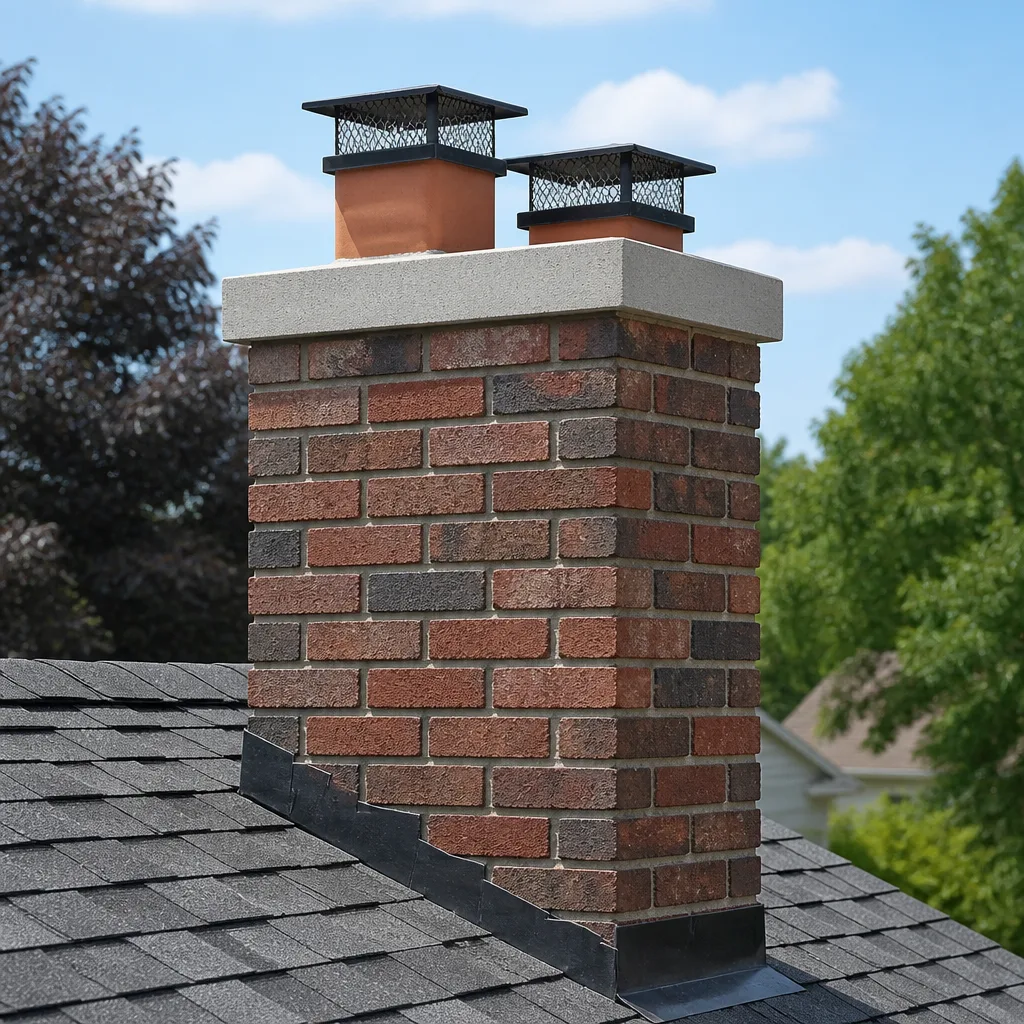
- Caps & crowns
- Flue relining
- Masonry repair
- Gas fireplace service
Table of Contents
- Why Porter Ranch Chimneys Face Different Conditions
- The Three-Stage Cleaning Process Explained
- Gas Fireplaces and Inserts Still Need Cleaning
- Level 1, 2, and 3 Inspections: What Each One Covers
- How Stucco and Tile Construction Affects Your Crown and Cap
- How Often Should a Porter Ranch Chimney Be Swept?
- What to Expect During a Professional Cleaning Visit
- Creosote: The Real Risk and How It Forms Here
Why Porter Ranch Chimneys Face Different Conditions
Porter Ranch is classified in a high wind and high fire hazard severity zone, and that classification isn’t administrative trivia. It describes a real pattern: hot, dry, gusting winds that push through the Santa Susana passes, low humidity for much of the year, and a surrounding landscape that burns periodically. For a chimney, those conditions create a specific set of stresses that a homeowner moving here from a wetter or colder climate won’t anticipate.
Creosote is the byproduct of incomplete wood combustion, and its consistency depends heavily on how quickly smoke cools and how dry the surrounding air is. In Porter Ranch, long dry spells mean wood that hasn’t been properly seasoned loses moisture unevenly, and the rapid temperature swings between hot afternoons and cool nights accelerate the glazing process. Glazed creosote – the hard, shiny, tar-like stage – bonds to flue walls and cannot be removed by brushing alone. It requires chemical treatment or, in severe cases, liner replacement.
Wind matters too. High-wind zones create downdrafts that can push smoke back down a flue, especially on shorter chimneys or ones with poorly fitted caps. That back-pressure deposits soot at odd angles inside the flue and can force smoke into living spaces. A properly sized and installed cap – we use Gelco and Famco caps for exactly this reason – helps regulate draft and keeps wind-driven debris out.
The fire history of the region adds another layer. When wildfire burns near a neighborhood, ash and airborne particulates settle on roofs and can enter chimney caps and flues. Homes that sat through smoke events often need an inspection even if they didn’t burn a fire that season. If your Porter Ranch home was anywhere near a major fire in recent years, a sweep and inspection is worth scheduling regardless of how much you’ve used the fireplace.
The Three-Stage Cleaning Process Explained
A proper chimney cleaning in Porter Ranch follows three distinct stages, and skipping any one of them is where discount sweepers cut corners. Here’s what each stage involves and why it can’t be rushed.
Stage 1: Inspection
Before a brush touches the flue, a technician inspects. This means checking the firebox, damper, smoke chamber, flue interior, cap, crown, and the exterior of the chimney from the roofline. The inspection determines what kind of cleaning is needed, what condition the liner is in, and whether there are blockages – bird nests, leaves, collapsed mortar – that could make brushing dangerous or ineffective. A sweeper who starts brushing immediately is skipping the diagnostic step.
Stage 2: Mechanical Brushing
Brushing removes soot and creosote from the flue walls. The right brush depends on the flue type: polypropylene for stainless liners, wire for masonry in good condition, softer bristles for clay tile. Done correctly, brushing is methodical, working from the top down or bottom up depending on access, with each flue zone contacted fully. Glazed creosote won’t respond to brushing alone and needs to be addressed separately.
Stage 3: HEPA Vacuum Containment
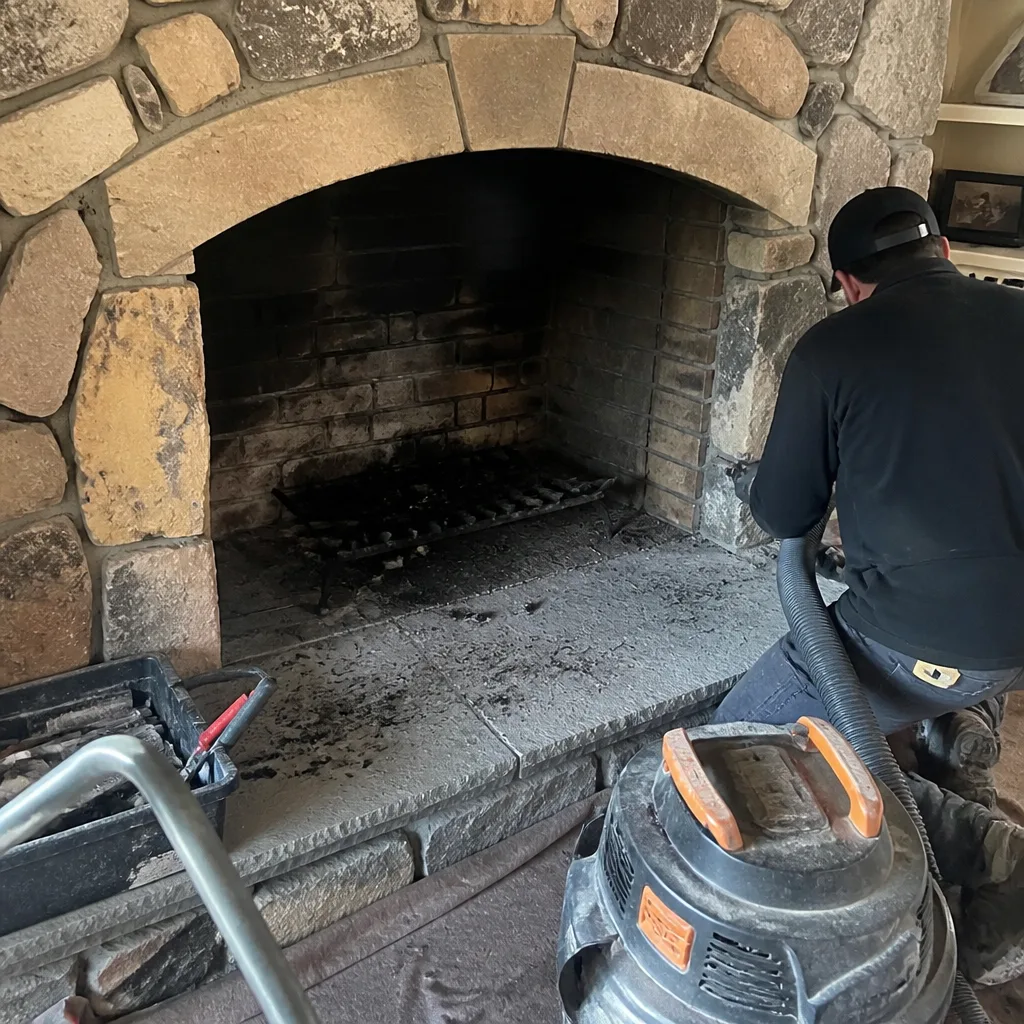
Throughout the brushing, a HEPA-filtered vacuum runs to capture airborne soot before it escapes into the room. This is the stage most cheap sweepers skip. Without HEPA containment, fine soot particles settle across furniture, carpets, and surfaces for days afterward. A proper setup means drop cloths, sealed openings, and negative air pressure inside the firebox so the room stays clean.
Why the Order Matters
- Inspection first – identifies blockages, liner damage, or structural problems that change the cleaning approach or require repair before cleaning can proceed safely.
- Brushing second – removes the accumulated creosote and soot that the inspection revealed.
- Vacuum throughout and after – contains the debris so your home is left cleaner than when the technician arrived.
A sweep that runs a brush up and down without inspecting first might miss a cracked flue tile, a disconnected liner section, or a nest that brushing just compacts. In our experience, the inspection stage is the single most common shortcut taken by low-bid sweepers, and it’s also the stage that catches the problems most likely to cause a chimney fire. For a closer look at what a full chimney sweep includes, we’ve laid out the service in detail.
Gas Fireplaces and Inserts Still Need Cleaning
One of the most common assumptions we hear in Porter Ranch is that a gas fireplace doesn’t need annual cleaning because it “burns clean.” That’s half true and dangerously incomplete. Gas logs and inserts produce far less creosote than wood fires, but their flues still collect debris, and the assumption of cleanliness leads homeowners to skip the inspection that would catch real problems.
Newer Porter Ranch construction frequently includes gas fireplace inserts as a standard feature, and those units have their own maintenance profile. Here’s what accumulates in a gas flue over a year:
- Nesting material and debris – birds, rodents, and insects find an open flue cap or an uncovered flue an easy home. Nesting material blocks draft and creates a fire hazard.
- Dust and soot film – even clean-burning gas produces a light film that, over years, coats the flue and restricts flow.
- Corrosion byproducts – gas combustion produces water vapor, and in a stainless liner that can lead to surface corrosion if the liner isn’t properly rated or vented.
- Structural wear – the flue and cap are exposed to the same wind and sun as a wood-burning chimney and degrade on the same schedule.
Gas units also need their burners, logs, and glass cleaned and their venting checked for proper draft. A blocked gas flue can force carbon monoxide back into the living space, which is the reason annual inspection matters even when there’s no wood smoke to see. If your gas insert hasn’t been looked at in a few seasons, a basic inspection is the place to start. And if the insert itself is showing wear – cracked logs, a burner that won’t light evenly, a glass panel that’s clouded – that’s fireplace repair territory and worth addressing before the next heating season.
Level 1, 2, and 3 Inspections: What Each One Covers
The Chimney Safety Institute of America (CSIA) defines three inspection levels, and knowing which one your situation calls for prevents both overspending and under-diagnosing. Here’s what each level actually involves.
Level 1 Inspection
A Level 1 inspection covers the readily accessible portions of the chimney: the firebox, damper, smoke chamber, flue from the firebox up to the top, and the exterior from the ground or a ladder. It’s the standard inspection for an annual cleaning when nothing has changed – same fuel type, same appliance, no known problems. It confirms the chimney is safe to use and identifies any condition that’s changed since the last visit.
Level 2 Inspection
A Level 2 inspection is required whenever something about the system has changed or a problem is suspected. That includes:
- After a chimney fire, even a small one
- After an earthquake, severe wind event, or nearby wildfire
- When you’ve changed fuel type or installed a new appliance
- When you’re buying or selling a home
- When there’s visible damage, staining, or a persistent draft problem
Level 2 adds a video camera scan of the flue interior and inspection of accessible attic, crawlspace, and roof areas. The camera reveals cracks, gaps, and liner damage that can’t be seen from the firebox or the roof. Given Porter Ranch’s seismic and wildfire exposure, a Level 2 inspection after any significant event is the right call. If a home has changed hands, a Level 2 is standard practice before the new owner lights the first fire.
Level 3 Inspection
A Level 3 inspection is diagnostic and may involve removing parts of the chimney or adjacent structure to access concealed areas. It’s reserved for cases where a Level 1 or 2 found a problem that can’t be resolved without opening up the chimney – a suspected hidden liner breach, a smoke chamber defect, or structural damage. A Level 3 is not routine; it’s a targeted investigation when the evidence points somewhere the camera can’t reach.
Which level do you need? For an annual cleaning with no changes, a Level 1 is sufficient. After a fire, quake, or sale, a Level 2. A Level 3 only when the first two uncover something that requires it. When we inspect a Porter Ranch chimney, we tell you which level applies and why, so you’re not paying for a higher level than you need.
How Stucco and Tile Construction Affects Your Crown and Cap
Porter Ranch’s newer neighborhoods are dominated by stucco exteriors and tile roofs, and that construction style changes how a chimney ages compared to wood-frame homes with siding. Stucco is a cement-based finish applied over a substrate, and it’s rigid. When the chimney settles or the ground shifts, the stucco cracks rather than flexing – and those cracks are moisture pathways into the chimney structure.
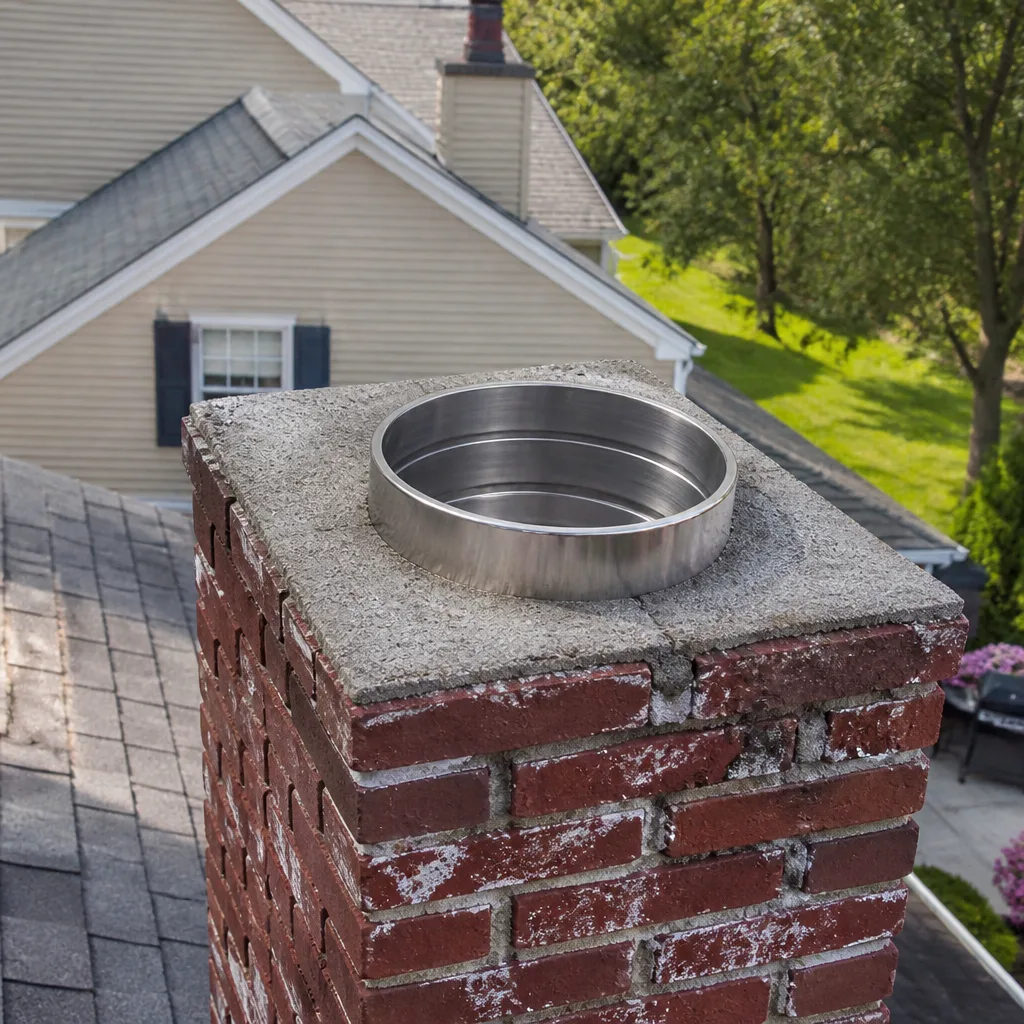
The chimney crown – the concrete cap at the very top of the chimney that sheds water away from the flue – is the most exposed component on the whole system. On a tile-roof home, the crown sits above the roof plane and takes the full force of sun, wind, and rain. In Porter Ranch’s climate, the combination of intense summer heat and dry Santa Ana winds causes the crown to expand and contract, and over time hairline cracks open. Water enters, freezes aren’t the issue here, but moisture trapped in the crown and flue structure accelerates deterioration and mortars softening. A crown that looked fine five years ago may now need resurfacing or replacement.
The cap matters just as much. A chimney cap is a metal hood over the flue opening, and in a high-wind zone it does more than keep rain out – it regulates draft and prevents downdrafts. A loosely fitted or undersized cap rattles in wind, lets debris in, and can actually worsen the back-drafting that pushes smoke into living spaces. We fit Gelco and Famco caps because they’re engineered for the wind loads this region sees. A stucco home with a tile roof needs a cap that’s properly anchored to the crown and sized to the flue, not a generic cover dropped on top. You can see the full scope of chimney cap & crown work we handle.
Stucco and tile also make roof access more delicate. Walking a tile roof risks cracking tiles, and a chimney technician who isn’t careful can cause leaks unrelated to the chimney. When we’re on a Porter Ranch roof, we walk the valley and ridge lines and use proper staging so the roof is left as we found it.
How Often Should a Porter Ranch Chimney Be Swept?
The short answer: any wood-burning chimney that sees regular use should be swept annually, and in Porter Ranch the annual cadence is the floor, not the ceiling. The CSIA recommends inspection and cleaning based on usage, and the general rule is that a chimney should be cleaned when creosote has accumulated to about one-eighth of an inch – roughly the thickness of a nickel. In a high-fire-hazard zone with long burning seasons, that threshold can be reached faster than in milder climates.
How often you actually need a sweep depends on several variables:
- How much you burn – a fireplace used several nights a week during winter accumulates faster than one used a few times a season.
- What you burn – seasoned hardwood produces less creosote than green or soft wood. Unseasoned wood is the single biggest driver of rapid creosote buildup.
- How you burn – hot, efficient fires with good draft produce less creosote than smoldering, low-oxygen fires.
- Flue condition – a rough or damaged flue lining catches creosote faster than a smooth one.
- Gas vs. wood – gas units need annual inspection even without wood creosote, because of debris, nesting, and draft issues.
A practical schedule for most Porter Ranch homeowners: sweep and inspect once a year before the burning season begins, and add an inspection after any chimney fire, earthquake, or nearby wildfire. If you burn heavily – several cords a season – a mid-season check is worth it. If your fireplace sits unused but you’re in a home you’ve just purchased, get a Level 2 inspection before the first fire regardless of what the seller told you.
Don’t rely on a visual check from the ground to decide whether you need a sweep. Soot on the firebox walls tells you almost nothing about what’s happening inside the flue. The only reliable way to know is an inspection from someone who can see the flue interior.
What to Expect During a Professional Cleaning Visit
A professional chimney cleaning visit in Porter Ranch follows a predictable sequence, and knowing it in advance helps you separate a thorough job from a quick one. Here’s the typical flow.
- Arrival and setup – drop cloths go down around the hearth, and the HEPA vacuum is staged before any work begins. The room is protected first.
- Initial inspection – the technician inspects the firebox, damper, and flue opening, then goes to the roof to check the cap, crown, and flue top. Photos are taken for your records.
- Blockage clearing – any nests, leaves, or debris are removed before brushing so they don’t compact and jam the flue.
- Brushing – the flue is brushed with the appropriate tool for its liner type, with the vacuum running throughout.
- Smoke chamber and firebox cleaning – the smoke chamber, damper, and firebox floor are cleaned. The smoke chamber is often the dirtiest part and the most overlooked.
- Final inspection and photos – the technician re-inspects, photographs the flue interior, and walks you through what was found.
- Report and recommendations – you get a clear summary of condition, any needed repairs, and what can safely wait.
The whole visit for a straightforward single-flue chimney typically takes about an hour to ninety minutes. If a technician is in and out in twenty minutes with no camera and no photos, the inspection stage was skipped. We show you the photos from every cleaning so you can see the flue interior yourself, and we tell you plainly when a recommended repair is urgent versus when it can wait until next season.
Creosote: The Real Risk and How It Forms Here
Creosote is the residue of incomplete combustion, and it exists in three stages that behave very differently. Knowing the stages helps you understand why brushing alone sometimes isn’t enough.
- Stage 1 – soot and flaky ash: The most common form, removed easily with a brush. This is what a well-maintained flue accumulates between cleanings.
- Stage 2 – hardened, crusty flakes: Forms when smoke cools slowly and deposits tar droplets that dry into a crust. Brushing removes some but often leaves a residue.
- Stage 3 – glazed, tar-like coating: The most hazardous form. It bonds tightly to the flue wall, is highly flammable, and won’t respond to standard brushing. It requires chemical treatment or liner work.
Porter Ranch’s climate pushes toward Stage 2 and Stage 3 conditions for a few reasons. The rapid swing between hot days and cool nights causes flue gases to cool quickly, depositing tar at higher rates. Long dry spells mean homeowners sometimes burn unseasoned wood that hasn’t dried properly, which produces more creosote per fire. And high-wind conditions that force smoke back down the flue can cause deposits at awkward angles where a standard brush doesn’t reach cleanly.
The real risk of Stage 3 creosote is chimney fire. A glazed coating is fuel lining the flue, and a single hot ember can ignite it. Chimney fires are often quiet – many burn out without the homeowner knowing they happened – but they can crack flue tiles, warp liners, and compromise the chimney structure. Given Porter Ranch’s position in a high-fire-hazard zone, a chimney fire that spreads is a far more serious event than it would be in a wetter climate. Carbon monoxide is the other risk: a blocked or damaged flue can force combustion gases back into the living space, and CO is odorless. A working CO detector on every level of the home is worth having regardless of your chimney’s condition.
If an inspection finds Stage 3 glazed creosote, brushing won’t solve it. Depending on the severity, the fix may be chemical treatment or liner restoration. HeatShield is a ceramic resurfacing system we use for liner restoration when the flue is intact enough to resurface rather than replace. When a liner is too damaged, DuraFlex stainless liner systems are the professional-grade route. Either way, the inspection tells you which path applies. For a full view of our Chimney Sweep Porter Ranch service, start there.
Common Mistakes to Avoid
- Assuming a gas fireplace needs no cleaning. Gas inserts still collect nesting debris, soot film, and corrosion byproducts, and their flues need annual inspection. Skipping it is the fast track to a blocked flue and a CO risk you can’t see.
- Hiring the lowest bid with no inspection. A sweeper who brushes without inspecting can’t tell you if your flue is cracked, glazed, or partially blocked. You pay for cleaning and get no diagnostic information, and the dangerous conditions stay hidden.
- Burning unseasoned wood to save money. Green or damp wood produces far more creosote per fire, and in Porter Ranch’s rapid cooling cycles that creosote glazes faster. Seasoned hardwood costs more but accumulates far less.
- Ignoring the crown because “it looks fine from the ground.” Stucco homes with tile roofs hide crown cracks that are only visible from up close. A cracked crown lets water into the chimney structure and softens mortar over time.
- Skipping the post-wildfire inspection. Ash and particulate from nearby fires settle into caps and flues even when your home didn’t burn. If a fire was close, an inspection is worth scheduling regardless of usage.
- Letting a smoldering, low-oxygen fire run for hours. Smoldering fires produce the most creosote. A hot, well-drafted fire burns cleaner and deposits less, even if it burns down faster.
- Waiting until the first cold night to book a sweep. Demand spikes before every burning season. Booking the cleaning before the season starts means you’re not waiting when you actually want to light a fire.
See the difference
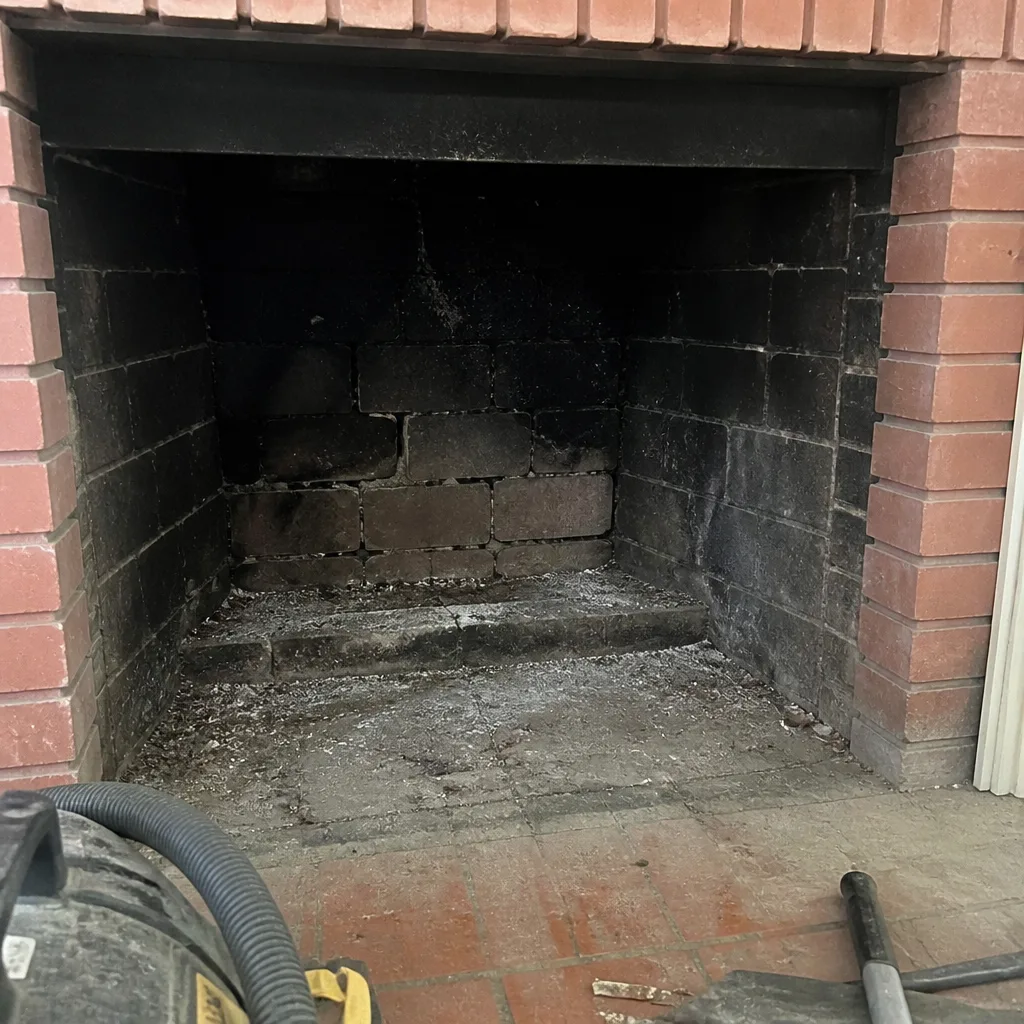 Before
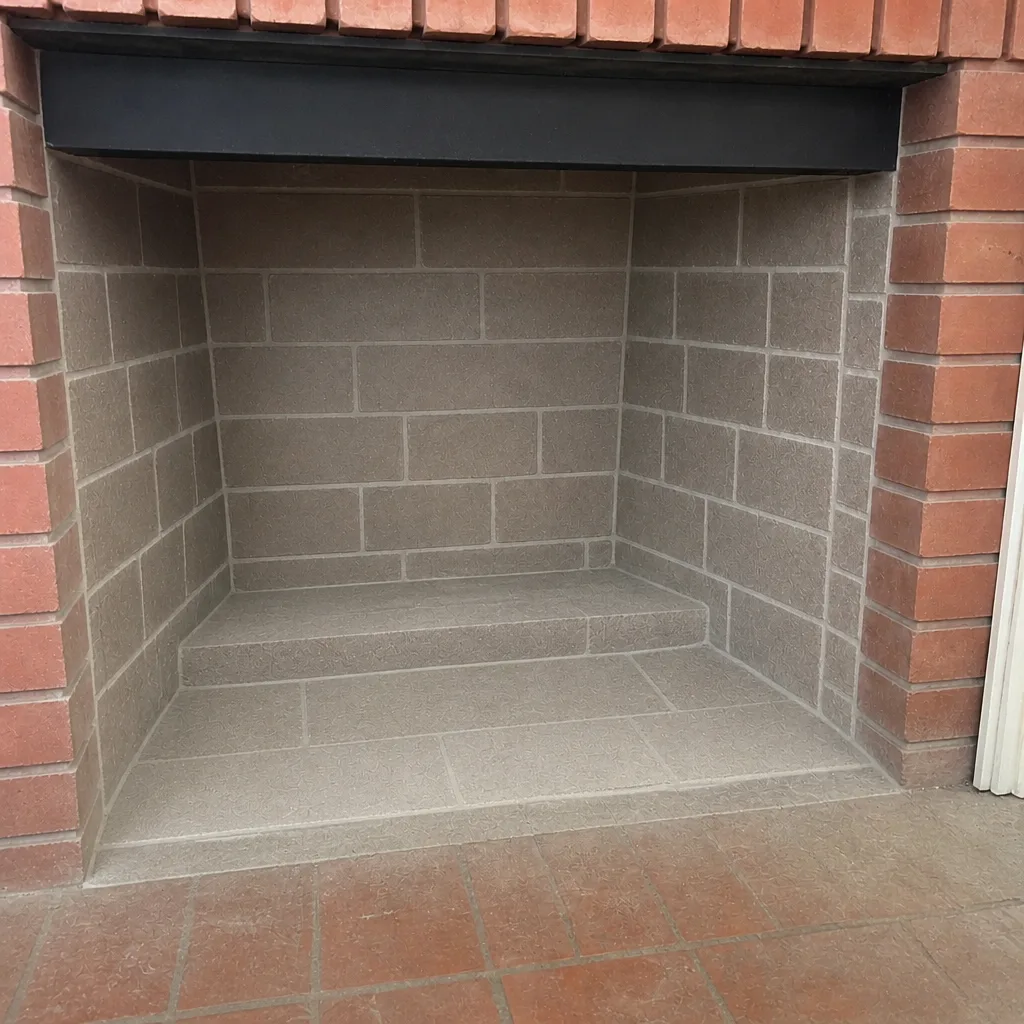 After
 Before
 After
 Before
 After
When to Call a Professional
Some chimney conditions are safe to monitor; others need a trained eye now. Call a professional if you’ve had a chimney fire – even one you think burned out on its own – because the damage to flue tiles and liners is often invisible from the firebox. Call after an earthquake or a nearby wildfire, both of which can crack flues or deposit debris without obvious signs. Call if you smell smoke in the house when the fireplace isn’t running, if the fire won’t draw, if you see staining on the chimney exterior or ceiling near the flue, or if you’re buying a home with a fireplace you intend to use. And call if it’s simply been more than a year since the last inspection, regardless of how often you burn. Chimney Sweep Porter Ranch offers free estimates in Porter Ranch – call (855) 658-5280.
Frequently Asked Questions
A typical chimney cleaning in Porter Ranch is priced per job based on the flue type, access, and condition found during inspection, and the written estimate sets the final price before any work begins. The estimate itself is free. Because glazed creosote and crown repairs add scope, the only accurate number comes from an inspection of your specific chimney. Call (855) 658-5280 for an exact quote – estimates are free.
Yes, for any wood-burning fireplace that sees regular use, annual cleaning and inspection is the baseline. Porter Ranch’s high-fire-hazard climate and rapid temperature swings accelerate creosote glazing, so the buildup threshold is reached faster here than in milder regions. Gas inserts also need annual inspection for debris and draft issues. Call (855) 658-5280 to book a cleaning before the season.
Only if the inspection shows the existing liner is cracked, disconnected, or too damaged to resurface. A video camera scan during a Level 2 inspection tells you definitively, and you should see the footage yourself before agreeing to any liner work. Many flues that need attention can be restored with HeatShield resurfacing rather than fully replaced. Call (855) 658-5280 and we’ll show you what the camera sees before recommending anything.
A chimney should be swept when creosote reaches about one-eighth of an inch, which for most Porter Ranch households means once a year before the burning season. Heavy users burning several cords a season may need a mid-season check, and any chimney should be inspected after a fire, quake, or nearby wildfire. Call (855) 658-5280 for a free estimate.
Creosote builds up and eventually glazes, creating a flammable coating inside the flue that can ignite into a chimney fire. Blockages from nests or debris can also force carbon monoxide back into the home, and that risk is invisible until it isn’t. Neither outcome is worth the savings from skipping a cleaning. Call (855) 658-5280 to schedule an inspection.
Yes, and high-wind conditions actually make cleaning more important, not less. Wind-driven downdrafts push soot into unusual angles and can force smoke back into the home, so the cap and draft need to be checked as part of the cleaning. We size and fit caps for wind load, using Gelco and Famco hardware, and inspect the crown for the cracks that stucco-and-tile homes develop in this climate. Call (855) 658-5280 to book a cleaning.
The Bottom Line
Chimney cleaning in Porter Ranch isn’t a generic annual chore – it’s a maintenance routine shaped by the region’s fire-hazard classification, dry Santa Ana winds, and stucco-and-tile construction. The essentials: annual inspection and cleaning for any fireplace that sees use, gas inserts included; a cleaning that follows the three-stage process of inspection, brushing, and HEPA containment rather than a quick brush-and-go; a Level 2 inspection after any fire, quake, or home purchase; and attention to the crown and cap that this climate wears down faster than most guides acknowledge. A clean chimney is the starting point, not the finish line. The right cap, liner, or crown for your specific system is what keeps it safe between cleanings.
If you’re ready to schedule a cleaning or you’re not sure when your chimney was last inspected, call Chimney Sweep Porter Ranch at (855) 658-5280 for a free estimate. We answer 24/7. Fast dispatch from 7am to 7pm, Sunday through Friday. Our technicians have up to 13 years of experience, and we handle both the diagnostic inspection and the corrective repair so you’re not sent to a second contractor.
Written by the team at Chimney Sweep Porter Ranch.