
Last updated November 22, 2026
 Sweep & inspection
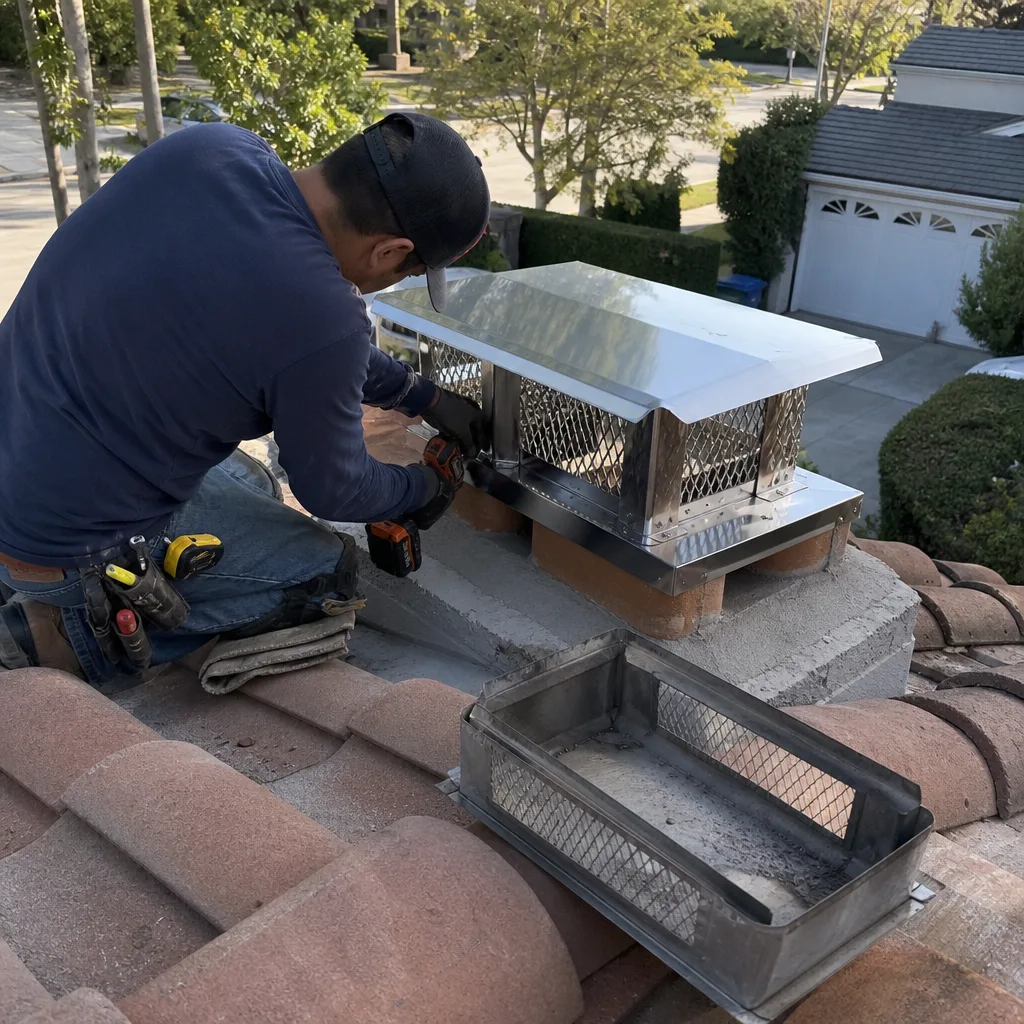
 Caps & crowns
 Flue relining
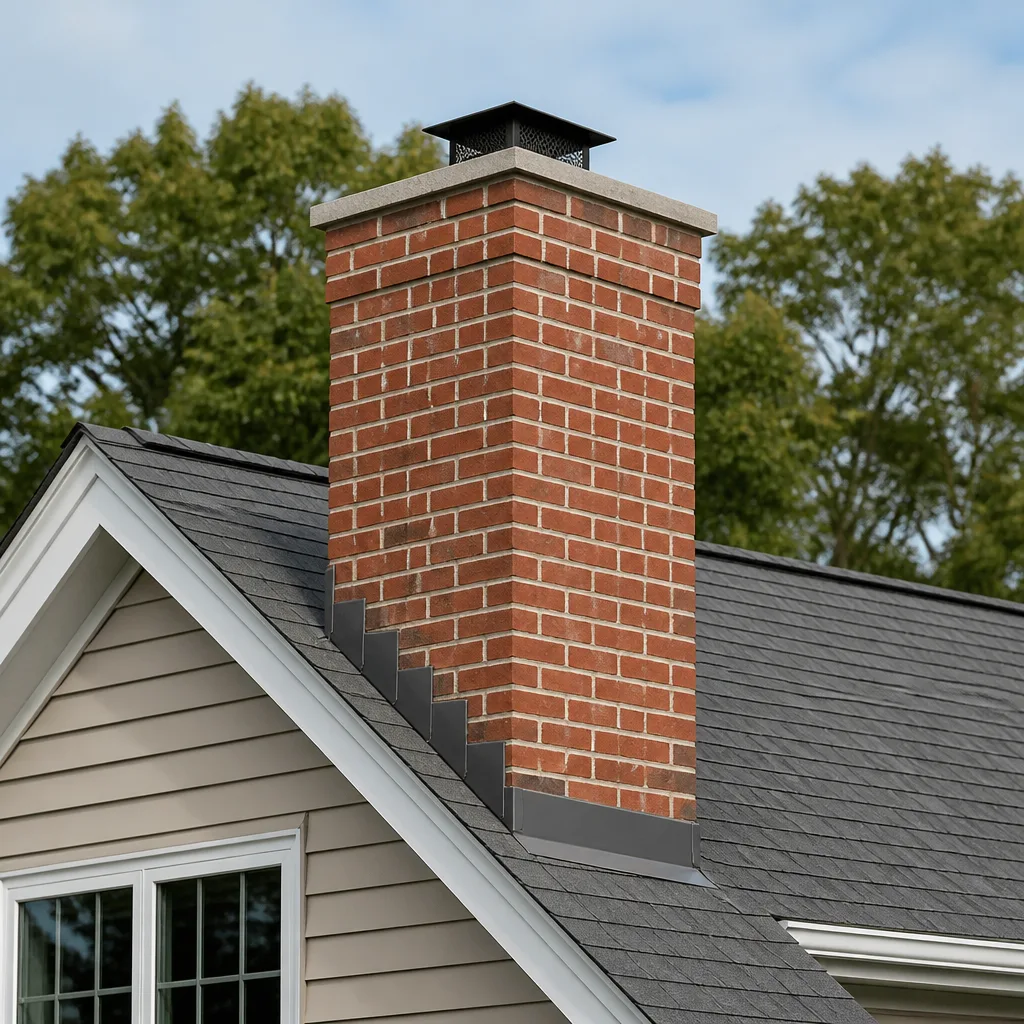 Masonry repair
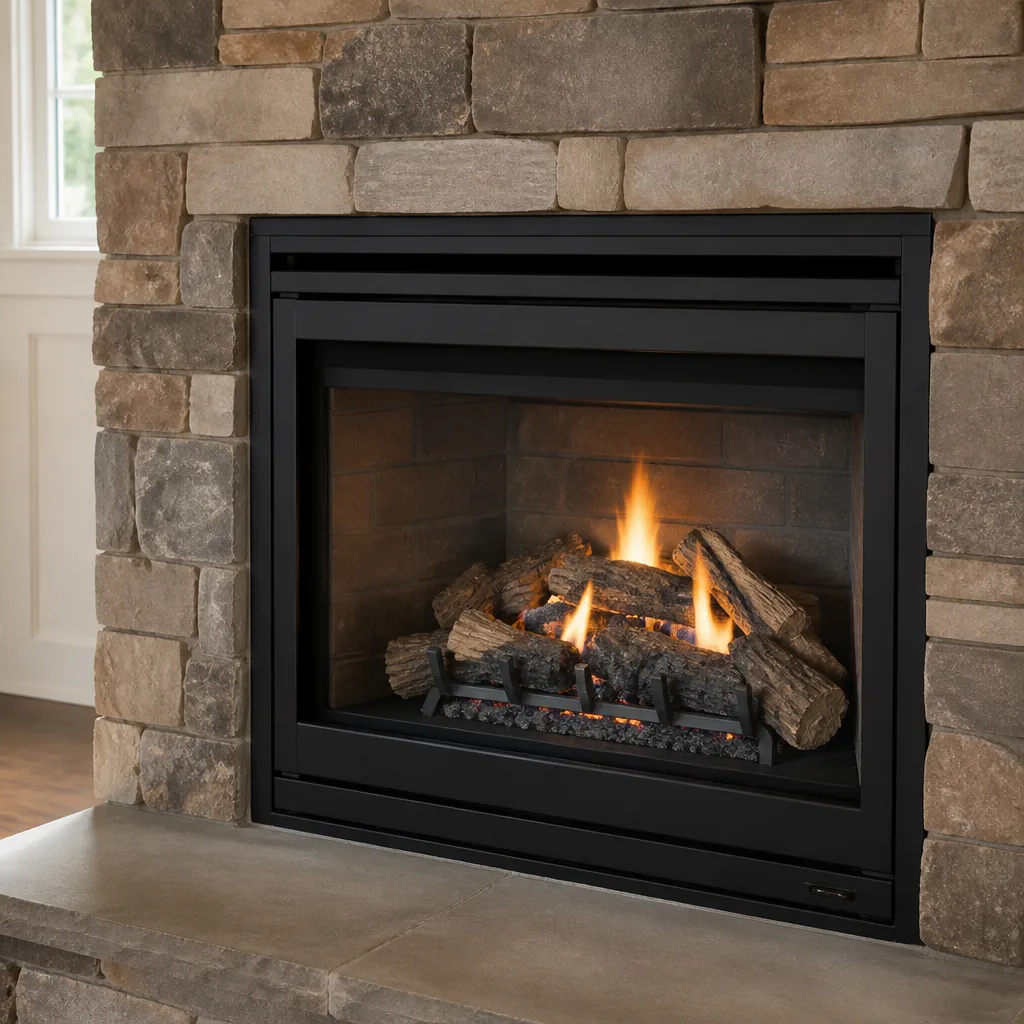 Gas fireplace service
Level 1 sweep and inspection to the NFPA 211 annual standard - flue, crown, cap, and flashing checked and photographed
Chimney sweep logs do not sweep chimneys. They loosen some creosote - which then falls where a brush and vacuum still have to collect it.
Chimney Cleaning Permits, Codes & Inspections in Porter Ranch, CA: What You Need to Know
Most people assume the hard part of chimney work is the cleaning. It isn’t. The hard part is knowing where routine maintenance ends and permitted construction begins. In Porter Ranch, that line is crossed more often than homeowners realize, and it’s usually crossed quietly – a liner swapped out, a firebox rebuilt, a damper replaced – without anyone pulling a permit. The trouble doesn’t show up until a buyer’s inspector starts asking questions. This guide lays out exactly which chimney tasks need a permit under Los Angeles County rules, how California’s energy and air-quality codes affect what you can burn and how your fireplace is built, and what a proper inspection report should contain when you sell a house in a high-fire-hazard zone.
Quick Answer
Routine chimney cleaning and sweeping do not require a permit in Porter Ranch. Structural work – liner replacement, firebox rebuilding, crown reconstruction, and appliance change-outs – generally does require a permit through Los Angeles County’s building department, and it must meet California Fire Code and Title 24 energy requirements. A Level 2 inspection produces a written report that matters for both real estate transactions and homeowner’s insurance in this fire-hazard area.
Styles & brands we work with
- Sweep & inspection
- Caps & crowns
- Flue relining
- Masonry repair
- Gas fireplace service
Table of Contents
- Where maintenance ends and permits begin
- What Los Angeles County Building Code actually requires
- How Title 24 touches your fireplace and damper
- CARB, Spare the Air days, and what you can legally burn
- What a Level 2 inspection report means for selling or insuring a home
- How to verify a contractor pulled the permit
- Common mistakes to avoid
- Frequently asked questions
Where Maintenance Ends and Permits Begin
This is the question that trips up most Porter Ranch homeowners, and it’s worth being blunt about it. Cleaning is maintenance. Rebuilding is construction. The two get confused because both are performed by the same trade, often on the same visit.
A standard chimney sweep – brushing the flue, removing creosote, checking the firebox and damper – is routine maintenance. No permit. No inspection by the county. Nobody needs to sign off before you light a fire.
The moment the scope changes, so does the paperwork. Here’s the practical breakdown:
- No permit typically needed: sweeping, cap replacement (a direct swap of existing hardware), minor mortar touch-ups on the firebox, damper cleaning and adjustment, Level 1 and Level 2 inspections.
- Permit generally required: relining a flue with a new system (including flexible stainless liners), rebuilding the firebox, reconstructing the chimney crown, adding or removing a chimney, changing the appliance type (wood to gas or the reverse), and any work that alters the structural footprint of the chimney.
- Gray area worth a phone call: resurfacing the inside of an existing flue with a ceramic restoration system, replacing a chase cover on a prefab unit, and installing a top-sealing damper. Some jurisdictions treat these as repairs; others want them permitted. Ask your local building department before the work starts, not after.
We’ve seen the gray-area problem up close. A homeowner near the Porter Ranch Town Center had a chase cover and top-sealing damper installed without a permit because a previous contractor told them it was “just hardware.” That may or may not have been accurate depending on interpretation, but the point is the homeowner had no way to know. That’s the whole problem in a sentence: chimney work happens on a roof, out of sight, and the homeowner can’t verify what was done or how.
The safest rule of thumb for Porter Ranch: if the work changes the type of system, the fuel source, or the structure of the chimney itself, assume a permit is required and insist on seeing it.
What Los Angeles County Building Code Actually Requires
Porter Ranch sits within unincorporated Los Angeles County, so building permits for chimney and fireplace work run through the County’s building department rather than the City of Los Angeles. That matters because the two jurisdictions have different counter processes and inspection timelines.
The County’s rules for chimneys and fireplaces trace back to standards that every permitted job must meet:
- Clearances to combustibles. The code sets minimum distances between the chimney structure and any wood framing, insulation, or other combustible material. These are not suggestions – they’re the most common reason a county inspector flags a job.
- Flue sizing and venting. A replacement liner has to be sized to the appliance, with correct termination above the roofline. Undersized or badly terminated liners are a real failure point and inspectors catch them.
- Structural support. Chimneys above a certain height need bracing, and any new masonry has to sit on proper footing.
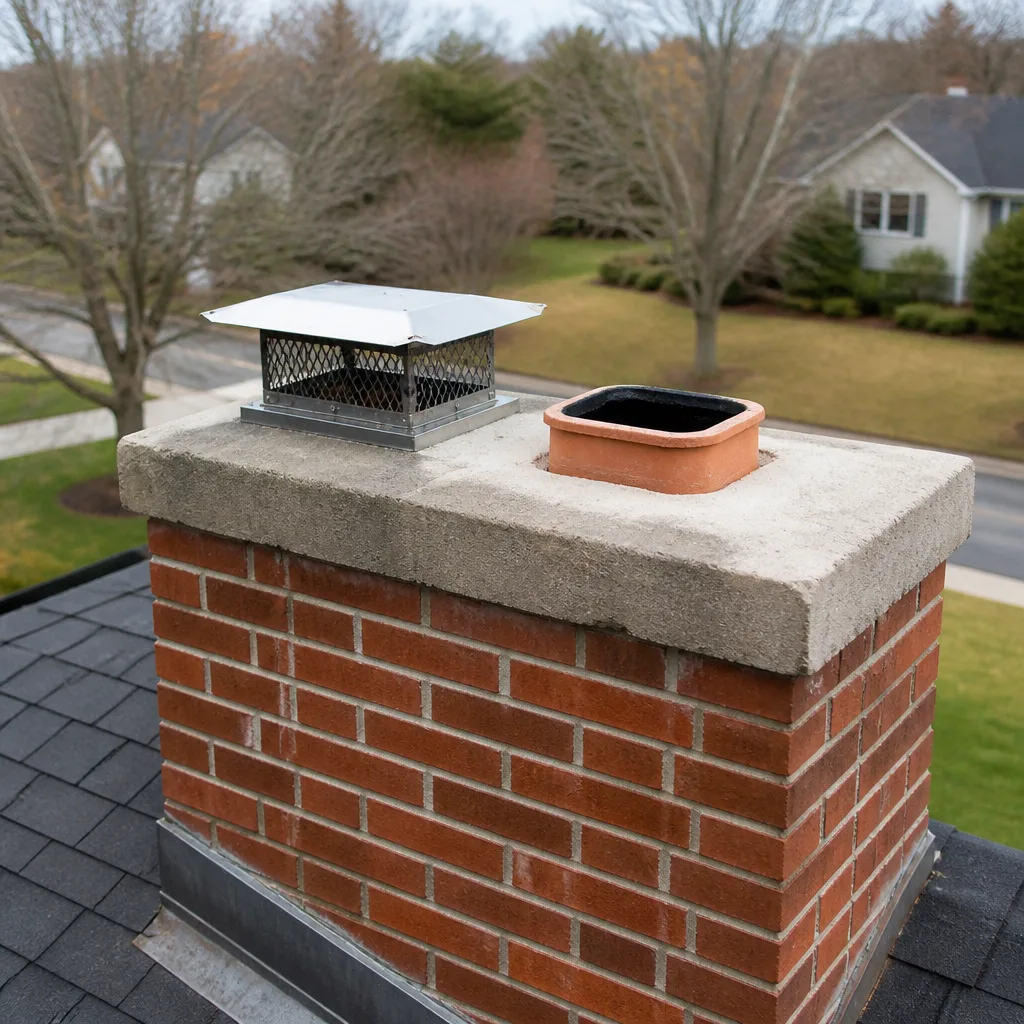
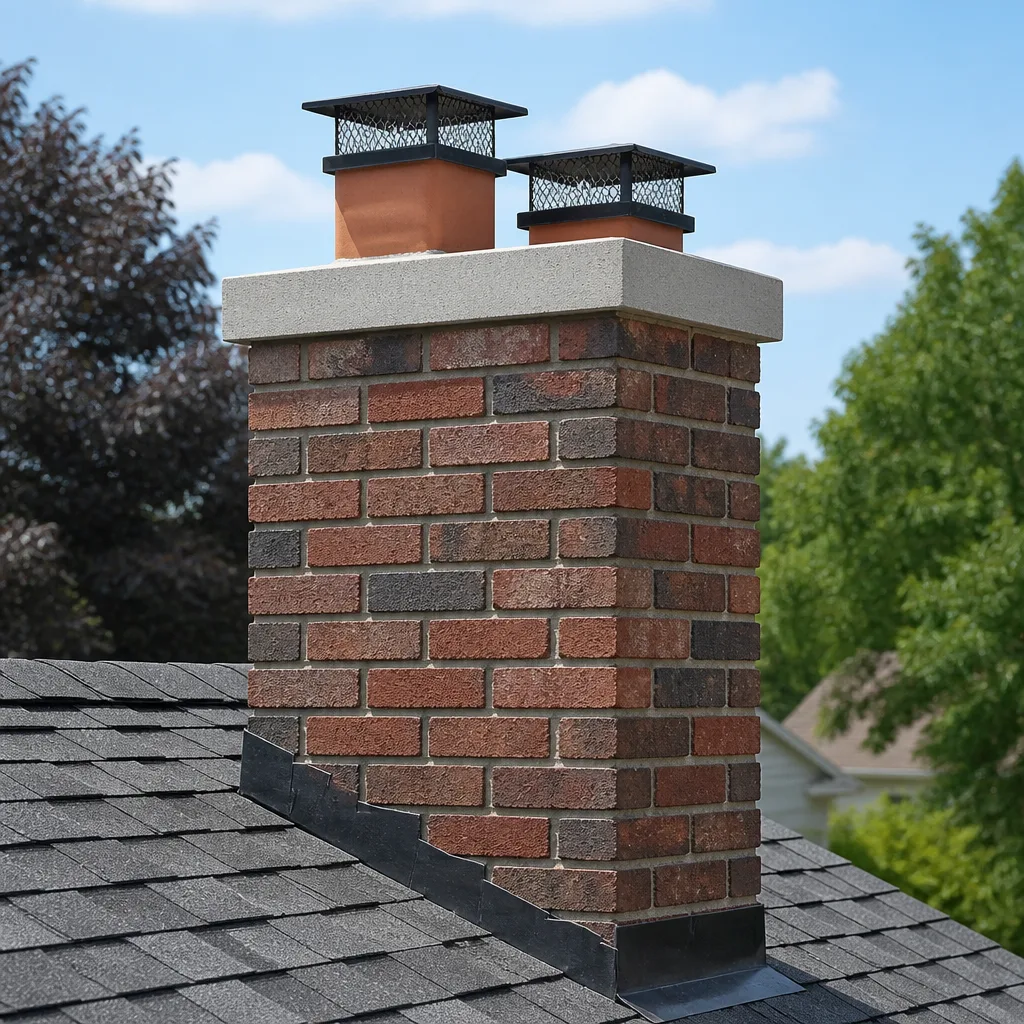
- Cap and crown integrity. A permitted chimney repair typically requires the crown to slope correctly for drainage and the cap to keep water and animals out. This is one reason we install professional-grade chimney cap & crown hardware from Gelco and Famco rather than generic covers – those are what inspectors recognize and what hold up over time.
- Inspection at the right stages. Many permitted chimney jobs require a rough inspection before the work is closed up and a final inspection at completion. Skipping the rough inspection is a paperwork problem that follows the house.
Here in Porter Ranch, the housing stock is largely newer construction and planned-community homes, which changes the picture a bit. Many homes have prefabricated fireplaces with metal chimney systems rather than traditional masonry. The permit rules still apply, but the work itself is different – factory-built systems have their own manufacturer clearances and their own approved replacement parts, and a contractor who usually works masonry chimneys may not be familiar with them. Ask any contractor you hire whether they’ve worked on your specific type of system before.
How Title 24 Touches Your Fireplace and Damper
California’s Title 24 energy code is the part of this conversation people skip, and it costs them. Title 24 exists to keep conditioned air inside the house, and an open fireplace is a hole in the building envelope. That’s why the code has requirements around fireplace dampers, doors, and sealing.
What this means in practice for a Porter Ranch homeowner:
- New or altered fireplaces are generally required to have tight-fitting dampers, glass doors, or another approved closure to prevent conditioned air from escaping up the flue when the fireplace isn’t in use.
- During a retrofit or repair that pulls a permit, the county may require the fireplace to be brought up to current energy standards even if that wasn’t the original scope. A top-sealing damper or properly fitted doors often satisfy this.
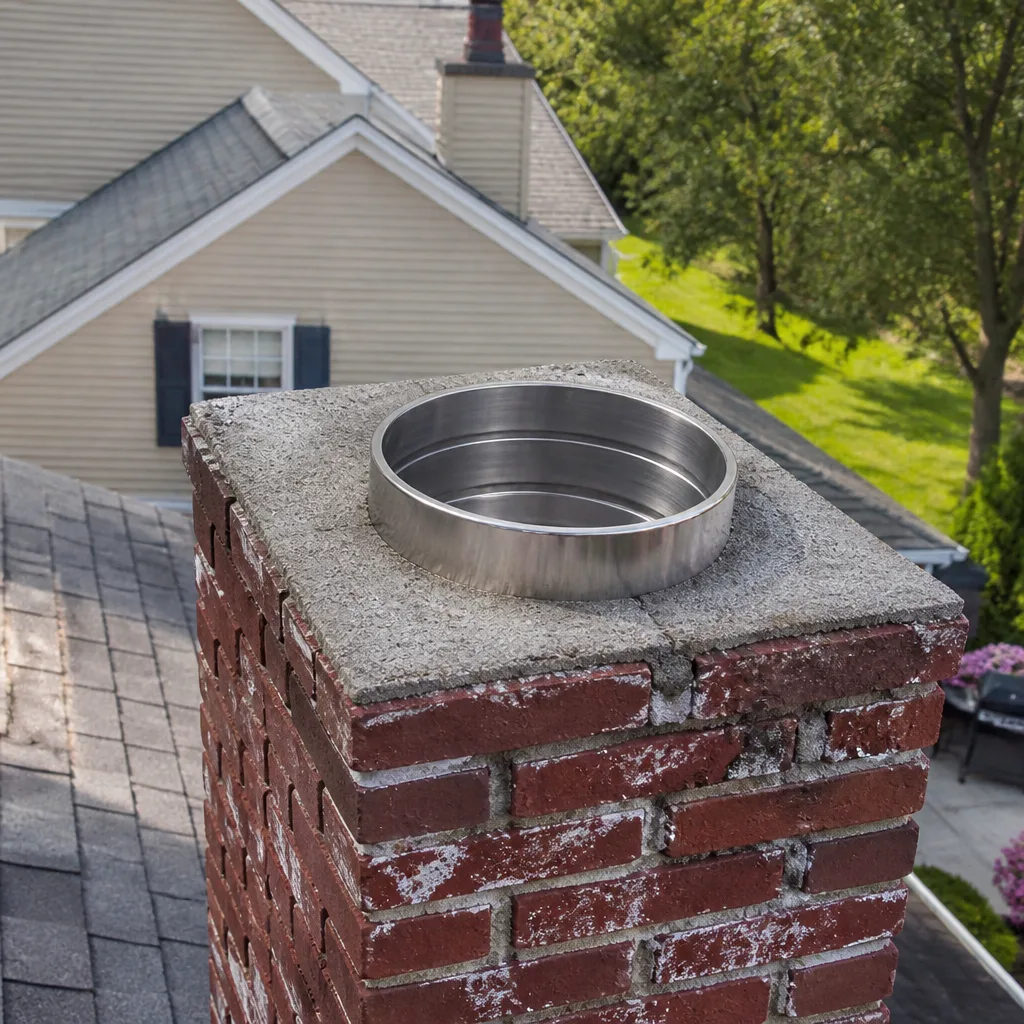
- A permanently open damper is essentially an open window in reverse – it pulls conditioned air out of the house year-round. If you’re doing any fireplace work in Porter Ranch, sealing the top of the flue is one of the highest-value upgrades you can make, both for energy and for keeping water and animals out.
Here’s where brand matters. A fireplace repair that includes a damper or door replacement should use parts that actually seal and last – that’s why we work with Olympia Chimney and Copperfield hardware on these jobs. A loose-fitting aftermarket damper may technically close, but it won’t hold a seal, and it won’t satisfy a Title 24 review if the county asks.
One clarification worth making plain: Title 24 is triggered by permitted work. If you’re not pulling a permit for a minor repair, the energy requirements aren’t automatically enforced. But if you later sell, or a buyer’s inspector examines the system, the standard that gets applied is the standard in force at the time. Getting it right the first time is always cheaper than retrofitting later.
CARB, Spare the Air Days, and What You Can Legally Burn
The California Air Resources Board sets the rules for wood-burning appliances statewide, and those rules directly affect what you can use your fireplace for on any given day. This is one of the most misunderstood parts of chimney ownership in the San Fernando Valley, because the rules don’t just govern what appliance you own – they govern whether you can burn at all on certain days.
The short version:
- Spare the Air days. On designated no-burn days, wood burning is prohibited across much of the region, including the San Fernando Valley. The designation is issued when air quality is forecast to be poor, usually on calm, cool days in late fall and winter. Violating a no-burn alert can carry a fine.
- What counts as wood burning. Fireplace inserts, freestanding wood stoves, and open hearths all fall under the rule. Gas logs, propane, and pellet appliances are generally exempt, which is one reason many Porter Ranch homes run a gas fireplace as their primary.
- New appliance standards. CARB has progressively tightened emission standards for new wood-burning appliances sold in California. If you’re thinking about replacing an older wood stove or insert, the appliance you buy must be certified to current standards. This is a place where “the old one worked fine” doesn’t help you – the rule is at the point of sale and installation.
- Fuel matters. Only dry, seasoned firewood should ever go into the fireplace. Burning trash, construction scraps, wrapping paper, or treated wood is illegal in many jurisdictions and releases compounds you don’t want in your home regardless. It also accelerates creosote build-up dramatically.
For Porter Ranch households, the practical takeaway is this: check the Spare the Air status before you burn, keep only dry firewood on hand, and know that a gas-burning fireplace gives you a way to use the hearth on no-burn days without violating anything. We’re not going to tell you a fireplace is a hazard on days you can’t burn it – it isn’t. But burning on a no-burn day is a real fine risk, and burning wet wood is a real creosote risk. Those are two different problems and both are avoidable.
What a Level 2 Inspection Report Means for Selling or Insuring a Home
A Level 2 inspection is the one that matters in real estate, and it’s the one most Porter Ranch sellers have never heard of until they need it. Here’s the distinction that matters:
- Level 1: a visual inspection of the readily accessible portions of the chimney – firebox, damper, visible flue, cap. This is what comes with a routine sweep.
- Level 2: a much more thorough inspection, typically including video scanning of the flue interior, inspection of accessible spaces like the attic and crawlspace, and a written report documenting conditions with photos and observations. It’s required after a chimney fire, after an appliance change-out, and whenever a property changes hands.
- Level 3: invasive inspection requiring access behind or through structural elements when a Level 2 identifies a problem that can’t be seen otherwise. Rare, and it means something was found.
For Porter Ranch specifically, the Level 2 report does double duty. On the real estate side, a buyer’s inspector will flag an unpermitted liner replacement, an improperly terminated flue, or a chimney with no documentation of inspection. That’s a negotiation problem at best and a deal-breaker at worst. A clean Level 2 report with photos is a seller’s evidence that the system is sound and properly installed.
On the insurance side, the Porter Ranch area is classified as a high fire hazard severity zone. That classification doesn’t mean your chimney needs different cleaning, but it does mean insurers are paying closer attention to anything that could contribute to a fire loss. A documented, professionally inspected chimney with a written report is easier to insure than one that’s never been examined. If you’re concerned about carbon monoxide risk in a sealed, modern home, the Level 2 inspection also confirms the flue is actually venting combustion gases correctly rather than letting them back into the house – which is a real and quiet hazard that a visual check from the firebox will miss.
Ask for the written report, not just a verbal “everything looked good.” A report with photos and specific observations is what serves you when a lender, insurer, or buyer asks a question six months from now.
How to Verify a Contractor Pulled the Permit
This is the step almost nobody takes, and it’s the one that protects you most. Pulling a permit protects the homeowner, not the contractor – it creates a public record and an inspection trail. If the contractor told you they pulled one, verify it in five steps:
- Get the permit number in writing before work begins. Any legitimate contractor can provide the number and the address it covers.
- Look it up on Los Angeles County’s permit portal. The county maintains a searchable online records system where you can enter the address or permit number and see the permit’s status, the scope of work, and whether inspections have been logged.
- Check that the scope matches. A permit for a “liner replacement” won’t cover a firebox rebuild. If the job grew, the permit needs to grow with it. This is a common gap.
- Confirm the final inspection was recorded. A permit that was pulled but never inspected or closed is an open record that can complicate a future sale. The portal shows inspection history – verify the final sign-off appears.
- Keep copies. Store the permit number, final inspection record, and inspection report with your home records. When you sell, this is the documentation that answers the buyer’s inspector before they ask.
We’ve seen the alternative – the story that opens this guide is a familiar one, not an unusual one. A homeowner trusts a contractor, work happens on the roof, nobody ever checks, and the problem surfaces years later during a sale. We can’t retroactively fix that for someone after the fact, but we can be direct about the fix. If you’re having any structural chimney work done in Porter Ranch, ask for the permit number before the first nail goes in, and verify it yourself. It takes five minutes and it can save a transaction.
One more thing worth saying: whenever we handle a job that requires a permit, we work with the homeowner to make sure the permit is in place and the final inspection is logged before we consider the job closed. We identify the problem, fix it, and leave a written record. That’s the difference between a sweep that cleans and a contractor who can actually stand behind the work.
Common Mistakes to Avoid
- Assuming the sweep will handle the permit. A cleaning visit doesn’t require one, so many homeowners never think about it when the scope grows into repairs. Ask before the repair, not after.
- Accepting resurfacing without a written report. Ceramic restoration systems like HeatShield are legitimate and effective, but anyone recommending one should be able to show you the inspection findings that led to the recommendation – photos included. Without them, you’re taking a contractor’s word on a job you can’t see.
- Burning on Spare the Air days out of habit. It’s an easy fine in Porter Ranch and the surrounding valley. Check the status before you light up, and keep dry firewood on hand so the rule doesn’t catch you off guard.
- Skipping the Level 2 inspection when selling. The buyer’s inspector will likely ask for it. Having it in hand before the listing goes live keeps a deal from stalling.
- Hiring a generalist for structural work. A handyman who “can do a chimney cap” may not know the difference between a masonry flue and a prefabricated metal system, and Title 24 or manufacturer clearances are where that gap shows up. A single-trade chimney specialist handles the diagnosis and the repair.
- Ignoring the crown and cap. Water entry from a cracked crown or a missing cap is the leading cause of long-term chimney damage over time. It’s the least dramatic problem and the most expensive to ignore.
- Not keeping the paperwork. Permit numbers, inspection reports, and photos – store them with your property records. They’re the evidence that answers every question later.
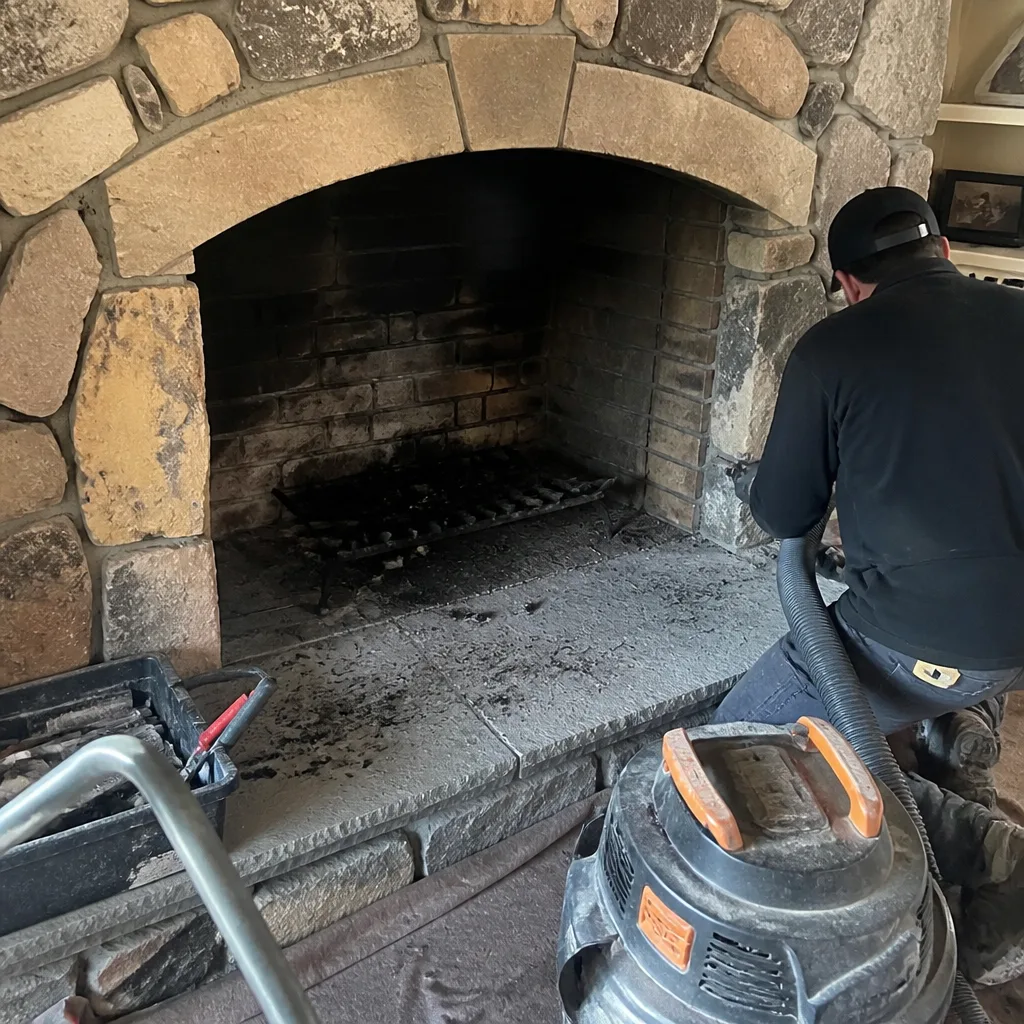
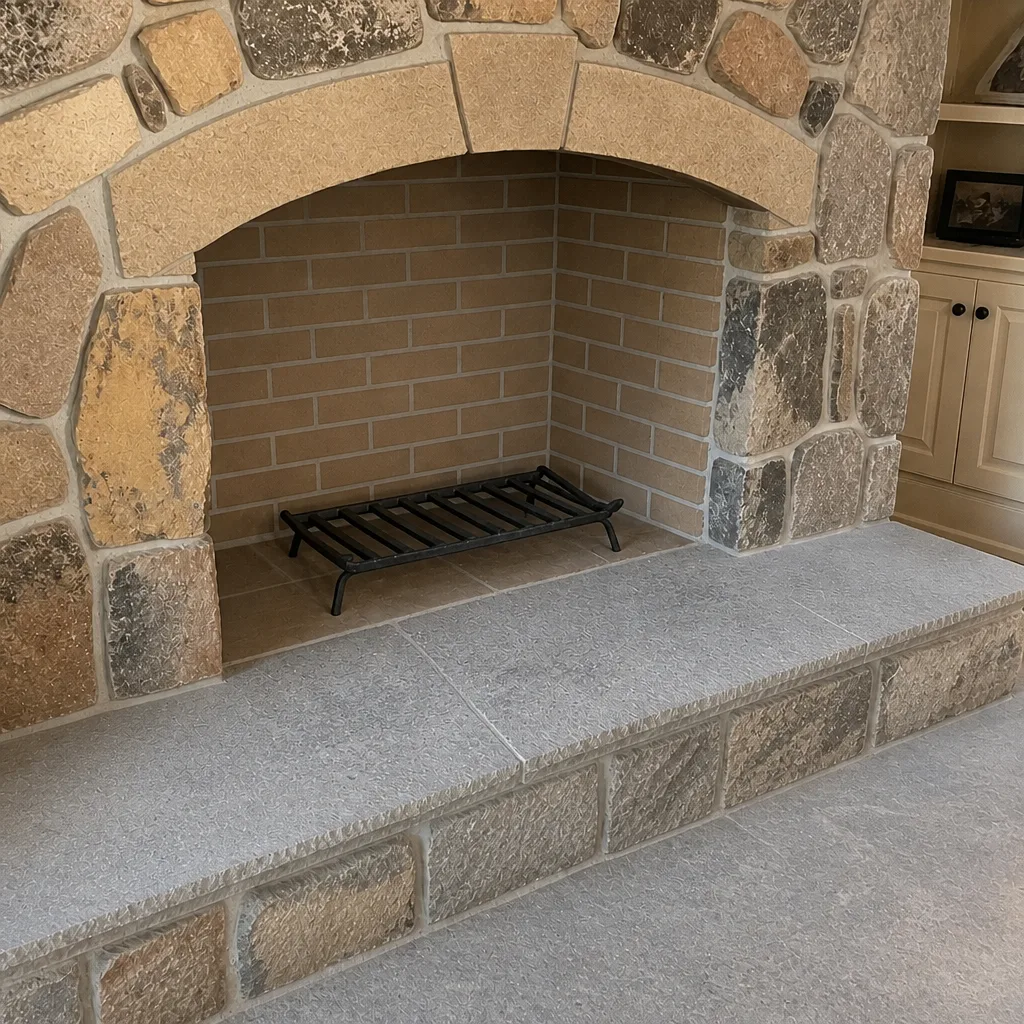
See the difference
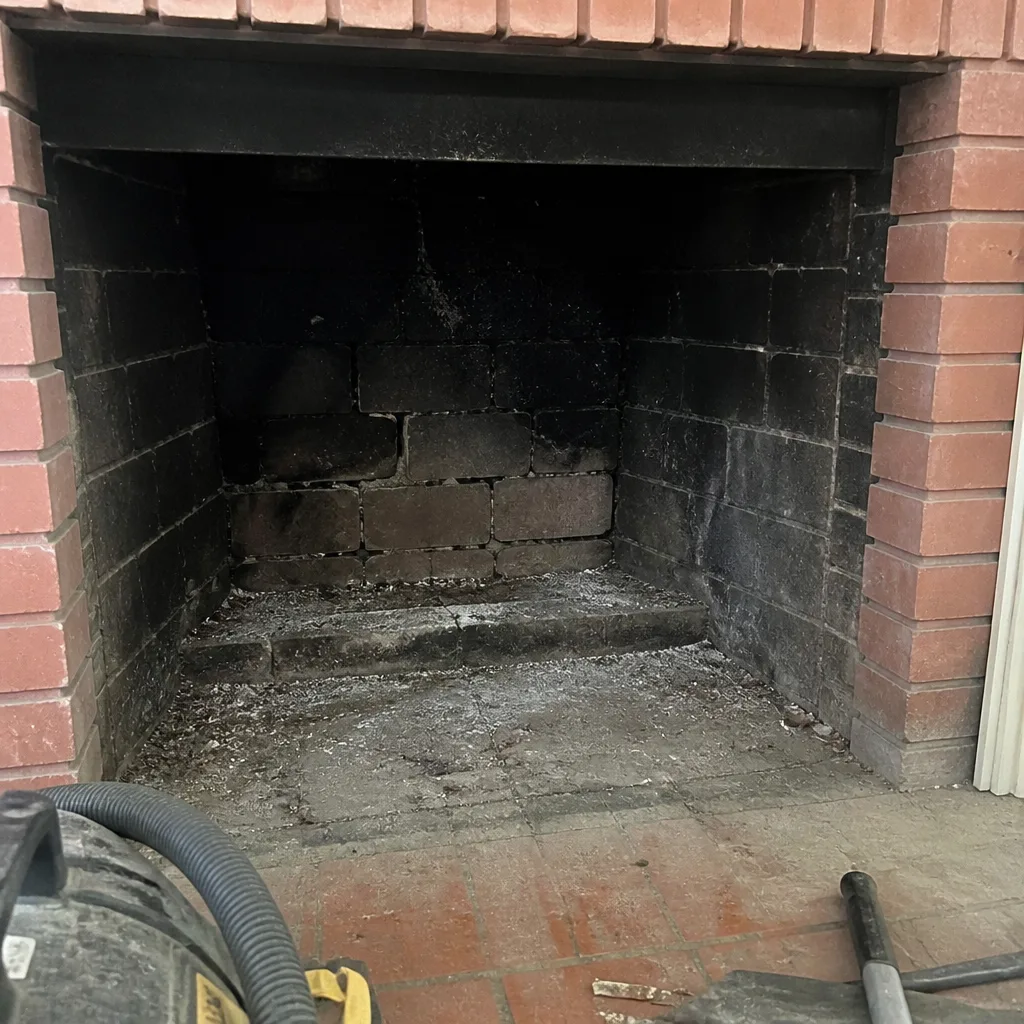 Before
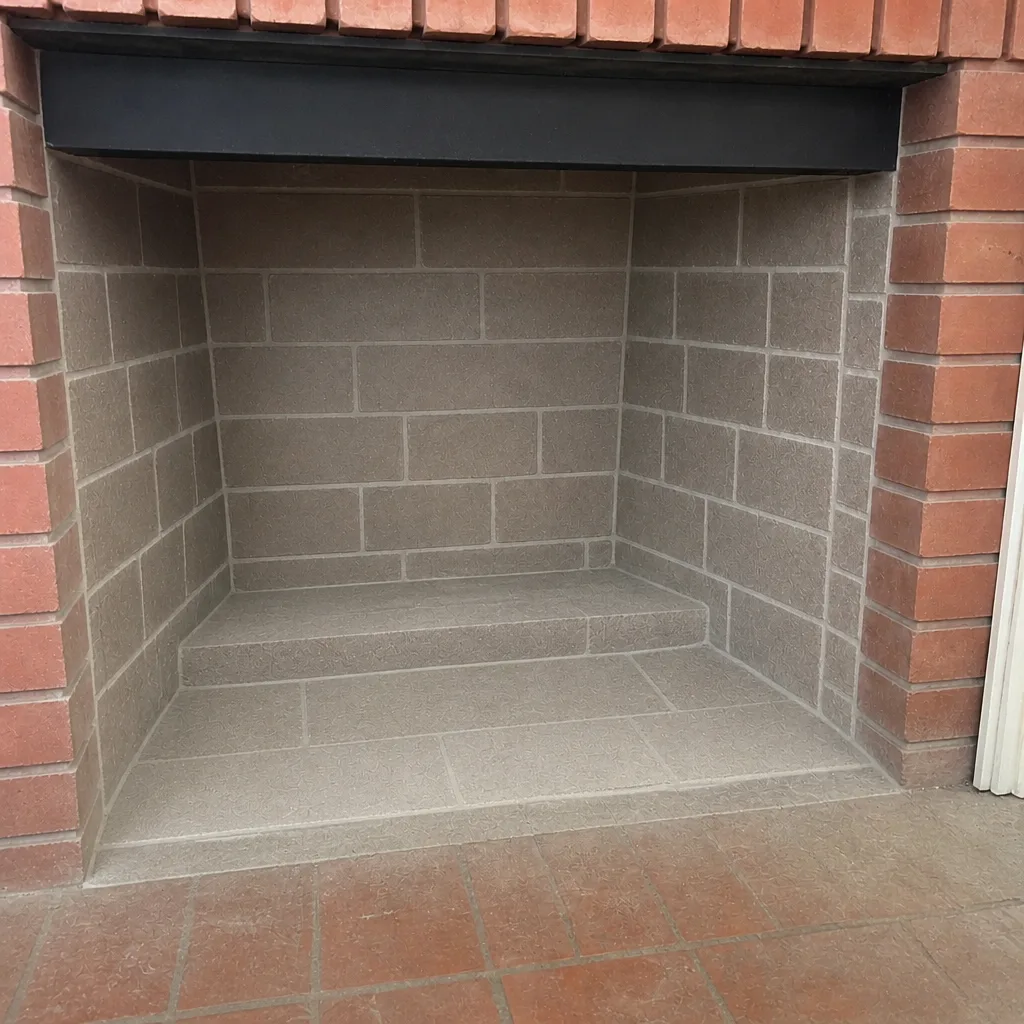 After
 Before
 After
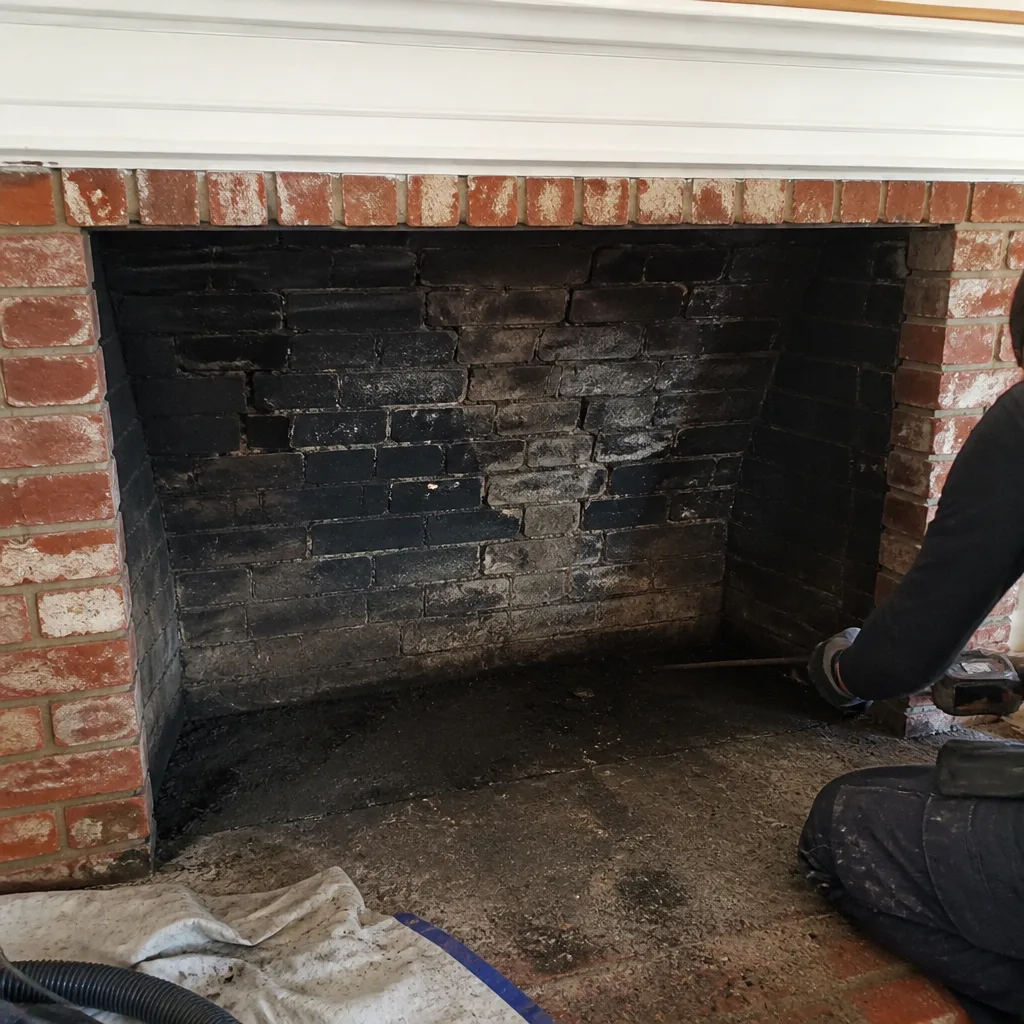 Before
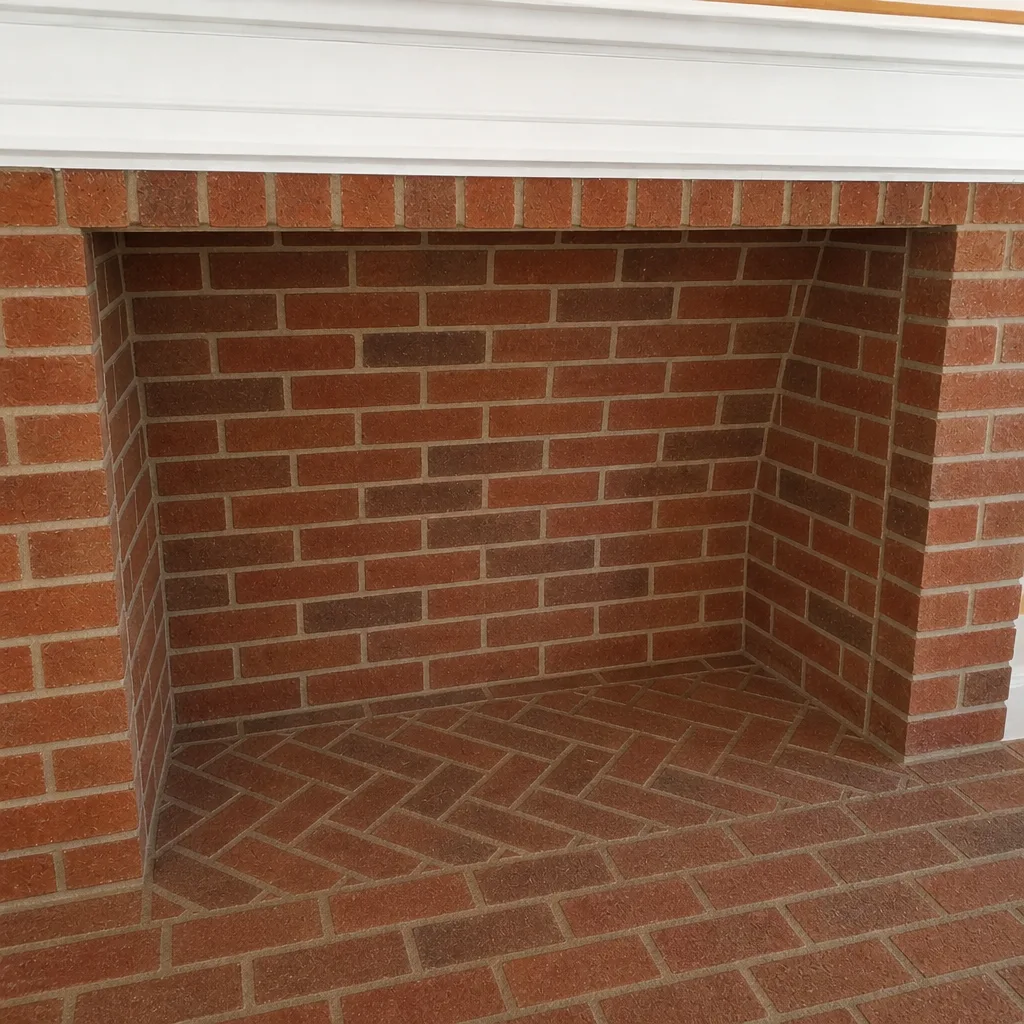 After
When to Call a Professional
Some chimney issues are cosmetic and can wait. Others shouldn’t. Call a professional if you’re seeing any of the following in Porter Ranch: a strong smoky smell in the room when the fireplace isn’t in use, a crack or missing piece in the firebox, water stains on the ceiling or chase, a cap that’s loose or gone, an annual sweep that’s overdue, or a chimney you’ve never had inspected. And any time you’re planning structural work, an appliance change-out, or selling the house, get a Level 2 inspection first.
Chimney Sweep Porter Ranch offers free estimates in Porter Ranch – call (855) 658-5280. We answer 24/7, with fast dispatch from 7am to 7pm. A call outside dispatch hours is booked into the next opening, Sunday through Friday, 7am to 7pm. The estimate is free and the price is set per job by a written estimate, so you know what you’re getting before anyone touches the roof.
Frequently Asked Questions
No. Routine chimney cleaning and sweeping do not require a permit in Porter Ranch or anywhere in Los Angeles County. Permits are tied to structural work – liner replacement, firebox rebuilding, crown reconstruction, and appliance change-outs – not to maintenance. If a contractor tells you a basic sweep requires a permit, ask for the permit number and check it before you agree.
In most cases, yes. Replacing a flue liner is structural work under Los Angeles County Building Code and generally requires a permit with inspection at the required stages. Because a new liner must be correctly sized, properly terminated, and clear of combustibles, the county wants to verify it. If you’re having a liner system like DuraFlex installed in a Porter Ranch home, ask for the permit number before the work begins.
A Level 2 inspection goes beyond a visual check to include video scanning of the flue and a written report with photos. It’s not legally required to sell a house in California, but it’s the report a buyer’s inspector will ask for, and it’s what your insurer will want to see. In Porter Ranch’s high fire hazard zone, a documented inspection carries real weight with both. Call (855) 658-5280 for a free estimate.
No. When a Spare the Air alert is issued for the region, wood burning is prohibited in the San Fernando Valley, including Porter Ranch, and violating the rule can result in a fine. Gas and pellet appliances are generally exempt. Check the day’s status before you light a fire, and keep only dry, seasoned firewood on hand.
You look it up. Los Angeles County maintains an online permit portal where you can search by property address and see any permits that were pulled, the scope of work recorded, and whether inspections were completed. Do this before you buy a Porter Ranch home, and do it before you hire anyone to work on the chimney you already own.
The standard is once a year for a wood-burning fireplace in regular use, and once a year for any chimney regardless of use so it gets inspected. A gas fireplace can usually be inspected less frequently, but not skipped entirely – venting problems on a gas appliance are a carbon monoxide concern, not just a cleaning issue. Call (855) 658-5280 for a free estimate and we’ll tell you honestly whether the chimney needs a sweep this year.
The Bottom Line
The line between maintenance and permitted construction is the thing to remember from this guide. Sweeping is maintenance. Relining, rebuilding, and appliance change-outs are construction, and in Porter Ranch they run through Los Angeles County’s building department. Title 24 shapes how your damper and doors need to seal, CARB sets the days you can legally burn, and a Level 2 inspection with a written report is what serves you at the point of sale and with your insurer. None of that is scary. It’s just paperwork, and it’s paperwork you can verify yourself in five minutes. If something on your chimney needs attention, get an inspection first, get the report, and only then talk about the repair.
Call (855) 658-5280 for a free estimate. We answer 24/7, with fast dispatch from 7am to 7pm, Sunday through Friday.
Written by the team at Chimney Sweep Porter Ranch.