
Last updated November 22, 2026
 Sweep & inspection
 Caps & crowns
 Flue relining
 Masonry repair
 Gas fireplace service
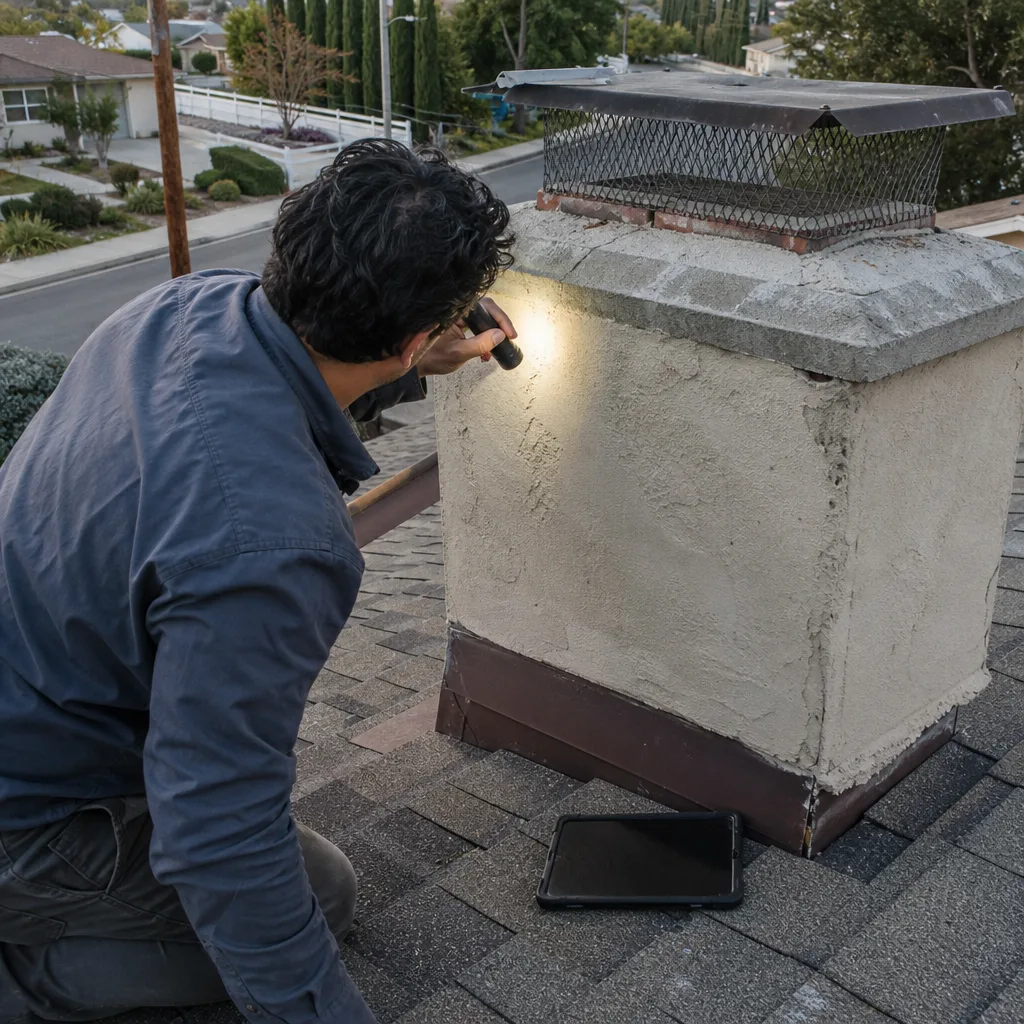
Level 1 sweep and inspection to the NFPA 211 annual standard - flue, crown, cap, and flashing checked and photographed
Chimney sweep logs do not sweep chimneys. They loosen some creosote - which then falls where a brush and vacuum still have to collect it.
Chimney Cleaning Emergency Preparedness Guide for Porter Ranch Homes
Most Porter Ranch homeowners treat the chimney as a winter appliance: you burn, it vents, you sweep it eventually. That framing misses something specific to this side of the San Fernando Valley. A chimney is also a hole in your house, and during a wildfire event it can become an ember entry point. The 2019 Easy Fire put that in plain view. Evacuation orders moved through the area, and many families left without a second thought about whether the cap on the roof was sealed, missing, or rusted half open. This guide connects what you already keep in a household emergency plan to the physical parts of your chimney. You’ll learn how caps and liners behave in high-wind fire weather, what to do in a chimney fire’s first minutes, and how to document the system before October.
Quick Answer
A chimney emergency plan for a Porter Ranch home has three parts: a verified chimney cap and flue in good repair before fire season, a rehearsed response sequence for a chimney fire or a burning smell with no fire lit, and a documented record of your last inspection so insurers and repair crews can act fast. Emergency preparedness starts with the chimney system being sealed, clean, and inspected, not with a phone call after the smoke appears. We answer 24/7 at (855) 658-5280, with fast dispatch from 7am to 7pm, Sunday through Friday.
Styles & brands we work with
- Sweep & inspection
- Caps & crowns
- Flue relining
- Masonry repair
- Gas fireplace service
Table of Contents
- Why chimney preparedness looks different in Porter Ranch
- How an open or damaged cap lets embers in during wildfire weather
- What to do when you smell burning in the flue and no fire is lit
- Chimney fire response: the first three minutes
- Post-evacuation chimney inspection when you return home
- Pre-fire-season documentation checklist for insurance
- Building the chimney into your household emergency plan
- Common mistakes to avoid
- When to call a professional
Why Chimney Preparedness Looks Different in Porter Ranch
Porter Ranch sits in a part of Los Angeles County where wildfire exposure is a documented, recurring condition, not a theoretical one. The Easy Fire of 2019 is the local reference point. Santa Ana wind events add a second layer: sustained dry wind that drives embers and pushes smoke into unusual places. If you’ve lived here a few seasons, you know the routine for defensible space, go-bags, and evacuation routes. The chimney deserves the same attention for one reason: it’s the only route into the interior of the house that stays open all year.
Nothing about a chimney is seasonal from an ember’s point of view. A few inches of ash and creosote sit in the firebox through August, and a flue with a missing cap is a straight vertical pipe from the roofline to the living room. That’s the preparedness gap. It isn’t a maintenance gap you can defer to the first cold night in November.
There’s a second local factor: air quality. Spare the Air days in the South Coast Air Quality Management District are common enough that most homes here know the no-burn rule well. That rule creates its own odd scenario, which we’ll get to. You smell burning, the fireplace is cold, and you don’t know whether something is wrong with the chimney or with the neighborhood. Knowing what’s normal and what isn’t is part of the plan.
Here’s what we bring to it: our technicians have up to 13 years of experience, and we do inspection, sweeping, cap and crown installation, fireplace repair and chimney repair as one trade. The same crew that finds a problem can fix it. That matters in a wildfire-driven emergency, when a homeowner is trying to move a second contractor into a schedule that has no room in it.
How an Open or Damaged Cap Lets Embers In During Wildfire Weather
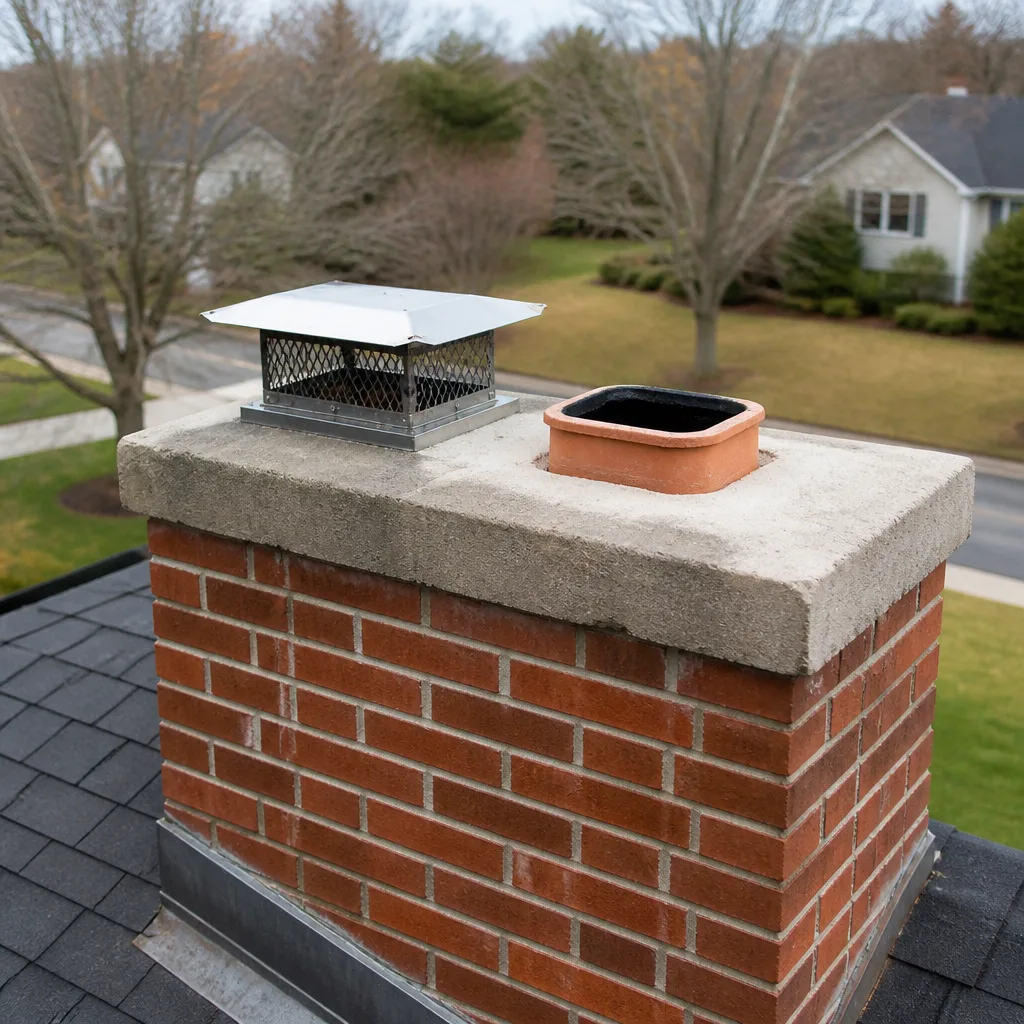
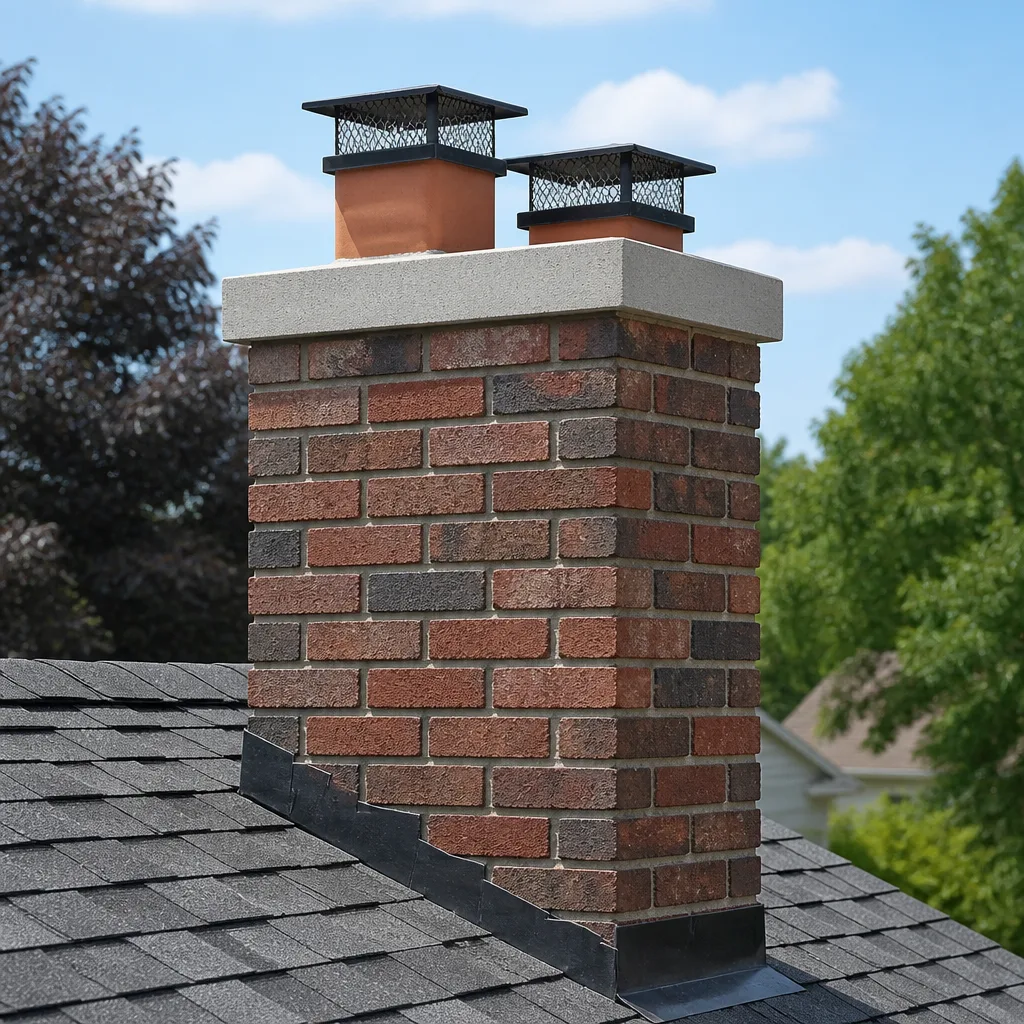
A chimney cap is a small roof over the flue opening, usually with a mesh screen on the sides and a flat plate on top. It does two jobs: it keeps out rain and animals, and it blocks airborne embers from dropping straight down the flue. That second job is the one people forget. In a high-wind fire event, embers travel well ahead of a visible flame front. A rooftop in Porter Ranch can be showered with small embers hours before smoke thickens enough to prompt an evacuation.
When the cap is missing or the mesh is torn, an ember that lands inside carries a few inches of creosote and ash at the bottom of the flue. That’s the ignition source. It isn’t a guarantee of a house fire, but it’s a pathway that a properly fitted cap closes for free.
Cap specifications that matter in a Wildland-Urban Interface zone
- Mesh size: a fine mesh screen (commonly 3/4-inch, or finer stainless options) prevents most airborne ember intrusion and keeps birds and squirrels out. Wider mesh lets more embers through.
- Material: stainless steel holds up to heat and weather longer than painted or galvanized steel, which can rust and tear at the seams. On a regular inspection, a rusty cap is a red flag.
- Seal: the cap needs a secure fit to the flue tile, ideally with a top-mount or single-flue design that seals to the crown, not just rests on it. A loose cap rattles in high wind and can be lifted off during a severe event.
- Height: the cap should sit clear of the crown and vents without blocking draft. A cap that’s too low or oversized can cause smoke to back into the firebox.
We install professional-grade caps from Gelco, and for specialty applications we source from Copperfield and Olympia Chimney. These are trade-level products, not the stamped steel covers sold at a home center. If a storm or wind event takes your cap off, we replace it as part of a single visit with the inspection and sweep. You can read more about cap selection and installation on our chimney cap & crown page.
If you haven’t looked at the top of the chimney since the last time you had it swept, do it before the next hot, dry wind event, not after. An inspection is quick, and it’s the single cheapest form of preparedness available to you.
What to Do When You Smell Burning in the Flue and No Fire Is Burning
A burning smell with a cold firebox usually has one of four explanations: a draft pulling neighborhood smoke down the flue, a ridge of creosote that warmed up in the sun, a bird or debris nest on the smoke shelf, or a chimney fire that already went out. The last one is the reason we tell people not to shrug it off. Here’s a safe response sequence. Do not open panels or reach into the firebox past the damper to inspect anything yourself.
- Get everyone out and account for them. If the smell is strong, the smoke is visible, or you’re unsure, treat it as a fire and leave the house. Call 911 from outside.
- Look for smoke where there shouldn’t be any. From outside, check the top of the chimney and the roof for visible smoke, and check interior walls near the flue for warmth or discoloration. Note what you see without going onto the roof.
- Listen for the roar. A chimney fire can sound like a low rumble or a torn-down freight train, depending on the material burning. If you hear it, leave and call 911.
- Shut the glass doors and close the damper only if the firebox has no active fire. Cutting the air supply starves a fire of oxygen, but never do it while flames are visible inside the firebox.
- If everything is calm, note the time and call us. Describe the smell, the weather, and whether any fire has been burned recently. We’ll help you decide if a visit is warranted.
On a Spare the Air day, the smell can be neighborhood wood smoke drawn down a cold flue by a reverse draft. In Porter Ranch that’s common on still mornings after a wind event, and it’s harmless. The line between harmless and not is the intensity and whether anything else is off. When in doubt, the safe answer is a call. We answer 24/7 at (855) 658-5280.
Chimney Fire Response: The First Three Minutes
A chimney fire is scary and fast, but the right first move is simple: call 911. Not your chimney sweep, not a neighbor, not a search engine. Emergency services come first because the risk of the fire spreading to the structure is real and time-sensitive. Here’s the sequence in the order it should happen.
- 0:00 to 0:30 – Evacuate. Everyone out, including pets. Account for everyone outside. Do not stop for belongings.
- 0:30 to 1:00 – Call 911. State that you believe there is a chimney fire and give your address. Stay on the line for instructions.
- 1:00 to 2:00 – Do not go back in. This is the step people get wrong. Don’t run back for the fire extinguisher, don’t try to close the damper, don’t put water down the chimney. Chimney fires reach temperatures far above what a chimney can safely handle, and a sudden reintroduction of air can accelerate them.
- 2:00 to 3:00 – Watch from a safe distance. Note smoke color and volume, and whether flames or sparks are visible from the chimney top. Firefighters will want that information when they arrive.
There is one thing you should never do in this sequence: attempt a self-inspection from inside the house or get on the roof to look down the flue. Height work on a roof in an active fire scenario is a serious injury risk, and the visible evidence from outside is what matters for the responders. Our technicians have up to 13 years of experience, and even they don’t get on a roof during an active event.
After the fire department clears the house, the chimney needs a full inspection before you use it again. The heat from a chimney fire can crack flue tiles and warp a metal liner, and some of that damage isn’t visible from outside. We use camera inspection to see the full length of the flue and give you a written assessment before any repair work begins. That’s also where we look for HeatShield resurfacing candidates when a cracked flue is repairable rather than replacement-only.
Post-Evacuation Chimney Inspection When You Return Home
Coming home after a wildfire evacuation is a process. You check the house for smoke damage, the yard for embers, and the roof for anything obvious. The chimney belongs on that list, and here’s what to look for after ash fall or visible embers in the neighborhood.
- Cap condition: missing, dented, or lifted off its mount. High wind can loosen a cap even when nothing burns.
- Crown condition: a cracked or chipped crown around the flue tile lets water in and can signal movement. Any visible crack is worth a look.
- Flue tile cracking: a visual check from the roof, done by a professional, not by you. From the ground you can’t see the tile condition.
- Ash deposits inside the firebox: a thin ash fall is normal and sweeps out. A thick deposit or debris that fell from the flue is a sign of a problem.
- Smoke smell in the living space: can indicate a draft issue or a masked crack. If the smell doesn’t clear in a day or two with the windows open, get it checked.
The inspection is the part most people skip because the house “looks fine.” But a chimney that took ember and ash exposure during a wind event can have material sitting on the smoke shelf and, in the worst case, a hairline crack in the flue tile that hasn’t shown up as a symptom yet. A sweep and inspection after a nearby wildfire is cheap insurance, and we do both in a single visit. We’ll show you the camera footage and tell you plainly whether work is urgent or can wait.
If you live in the neighborhoods on the north edge of Porter Ranch especially, where the interface with open hillside is closer, this schedule matters more. Embers don’t respect property lines, and the homes closest to vegetation carry the higher exposure. That’s a fact of the geography, not a reason to panic.
Pre-Fire-Season Documentation Checklist for Insurance
Insurers care about evidence. When you file a claim after a fire, or a repair crew asks what kind of liner your home has, the difference between a smooth process and a slow one is often a folder. Here’s what every Porter Ranch homeowner should have on file before October, when the fire season typically escalates and the first Santa Ana winds arrive.
- Last inspection report: the written summary from your most recent chimney inspection, with the date and the technician’s notes. Keep a copy in a fireproof box or scan it to the cloud.
- Sweep record: when the chimney was last swept, and by whom. A regular sweep history supports a claim that the system was maintained.
- Cap model: the brand and style of the cap installed on your chimney. We install Gelco and Famco hardware, and having the model on file helps when a replacement is needed after a wind event.
- Liner type: whether the flue is clay-tile, stainless, or a resurfaced system like HeatShield. This matters for both insurance and any repair crew that arrives after you.
- Photos: a set of clear photos of the cap, crown, and roof line taken in dry weather when the system is in good condition. These are your baseline for any claim.
- Repair receipts: any past work, including fireplace repair or cap replacement, with the date and the material.
Filing a claim without this record isn’t impossible, but it’s slower and more expensive. Insurers ask for the age of the liner and the last maintenance date, and “I think we had it swept a couple of years ago” is not an answer. Keep the file current, and ask for a written summary after every inspection. We include one with every visit.
Building the Chimney into Your Household Emergency Plan
If you already have a go-bag, a defensible-space plan, and an evacuation route, the chimney is a short addition to that plan. The goal is to make two decisions before you ever need to make them under pressure: whether the cap and flue are in good shape, and what to do in the first minutes of a chimney fire. Here’s a checklist version you can build into your existing household plan.
- Inspect annually, and before fire season. A yearly inspection catches a damaged cap, a cracked crown, or a liner problem before it’s tested by fire or wind.
- Sweep at the start of the burning season. Creosote is the fuel a chimney fire uses. A clean flue has less to burn. We do inspection and sweep in a single visit, so this is one appointment.
- Confirm the cap is mounted, not resting. A loose cap can be lifted off in a high-wind event. If it rattles or sits unevenly, get it fixed.
- Rehearse the fire-out-of-the-house sequence. The one thing that carries over from any household fire plan. Everyone out, call 911 from outside, no one goes back in.
- Keep a copy of the inspection report in your go-bag. A one-page summary with the date is enough, and it’s the difference between an insurer being able to process a claim quickly and not.
- Note the nearest evacuation route from your specific street. Porter Ranch has several exits, and the right one depends on where the fire is coming from. That belongs on the plan, next to the chimney details.
We’ve found that the homes that come through a fire season in the best shape are the ones that treat the chimney as part of the plan, not as a surprise. It isn’t a matter of effort. It’s one inspection a year, a cap in good repair, and a two-minute conversation with the family about what to do if something is wrong.
The right cap, liner, or crown for your specific system comes from a technician who can see the entire flue. If you want that baseline before the next fire season, call us at (855) 658-5280. Estimates are free, and we’ll tell you what we found and what it means.
Common Mistakes to Avoid
- Assuming a cap is on the chimney just because you can’t remember it being off. Caps rust through, blow loose in high wind, and get lifted off during storms. Visual confirmation from the ground isn’t enough; a technician needs to see the mount and the mesh.
- Sweeping the chimney but not inspecting it. A sweep cleans the flue, an inspection finds the problem. If your last visit was a “sweep only,” you may have a cracked flue tile and not know it. We include inspection with the sweep so nothing is missed.
- Attempting a self-inspection from the roof. The risk of a fall is real, and the view from the top of the flue doesn’t tell you much without a camera. Leave the roof work to a trained professional.
- Ignoring a burning smell because it’s a Spare the Air day. Neighborhood smoke can drift down a cold flue, but a chimney fire can also have gone out quietly. If the smell comes with warmth or discoloration anywhere on the interior, treat it as a fire and call 911.
- Waiting for winter to have the chimney inspected. Porter Ranch fire season and winter heating season are not the same window. By the time the first cold night arrives, a wildfire event may already have tested the system. Inspect before fire season, not after.
- Skipping the documentation step. A homeowner without a recent inspection report ends up paying for redundant diagnostic work and slower claims. One written summary per year is a small effort for what it saves.
- Hiring a general handyman or a discount sweeper to hang a cap. A cap that doesn’t fit the flue tile properly or blocks the draft will cause more problems than it solves. Professional-grade hardware from Gelco or Famco, correctly installed, is the only version of this job worth doing.
When to Call a Professional
Call a professional for any invasive or diagnostic work on the chimney. Specifically: when you haven’t had an inspection in more than a year, when a cap is confirmed missing or rusted through, when you’ve had a chimney fire and the fire department has cleared the house, when you smell burning in the flue with no fire lit and the cause isn’t obvious, and when you’ve returned from an evacuation after ash fall or visible embers in the neighborhood. Also call if you’re preparing documentation for insurance and want a written assessment on file before October. Chimney Sweep Porter Ranch offers free estimates in Porter Ranch. Call (855) 658-5280. We answer 24/7, with fast dispatch from 7am to 7pm, Sunday through Friday, and we’re closed Saturday.
See the difference
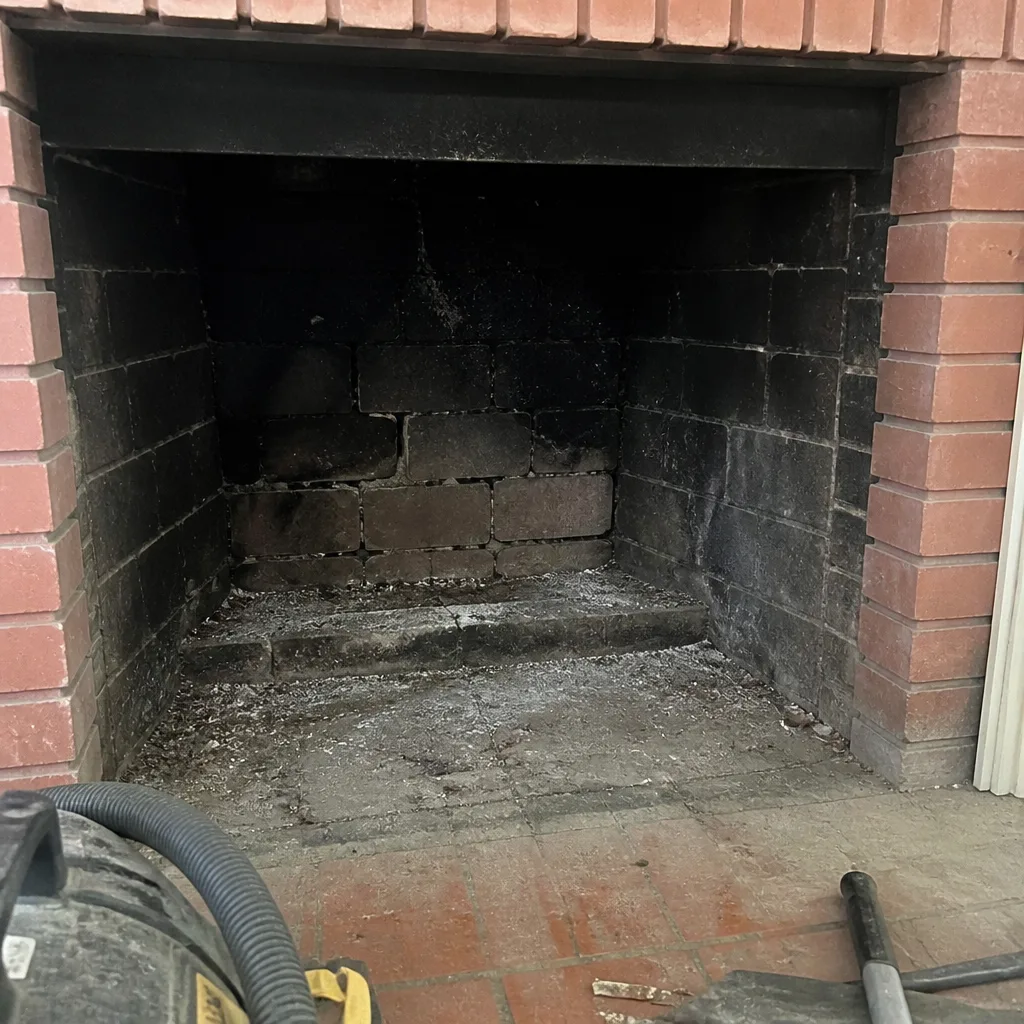 Before
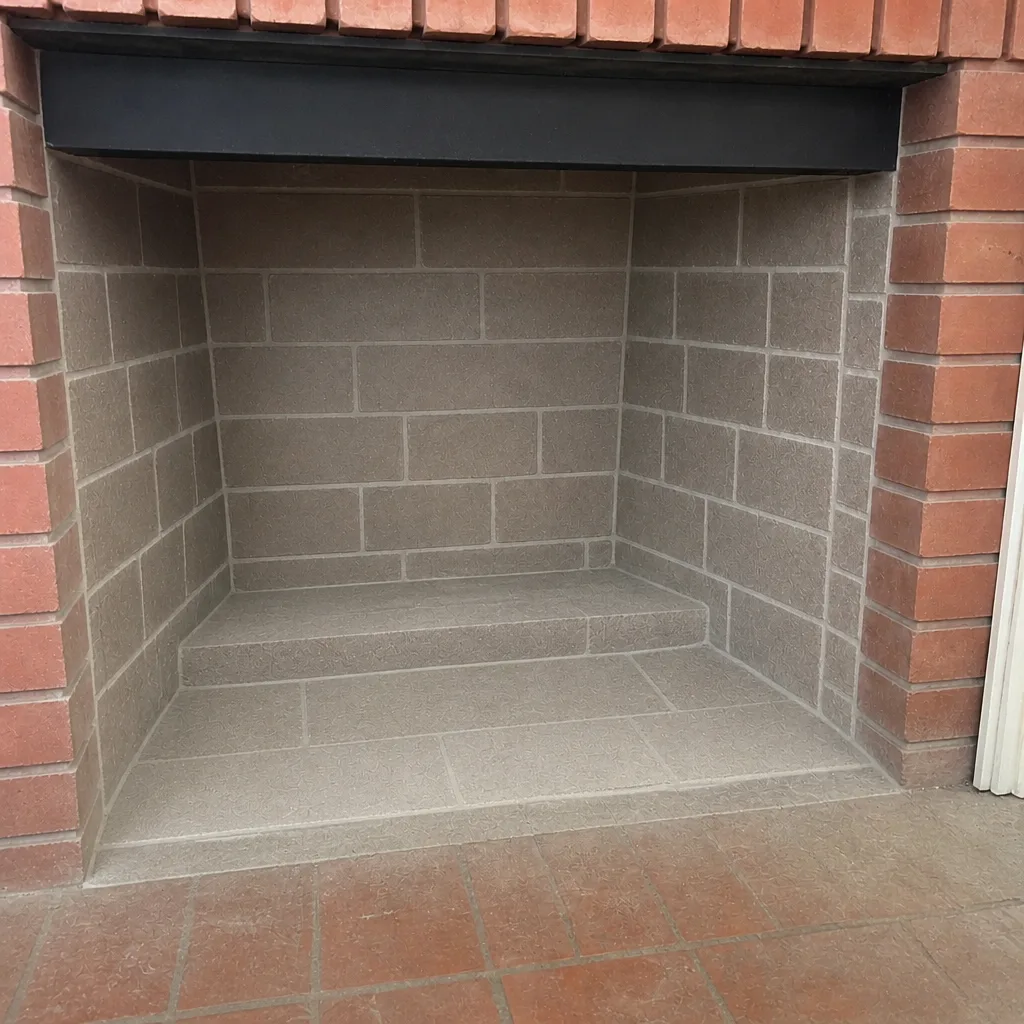 After
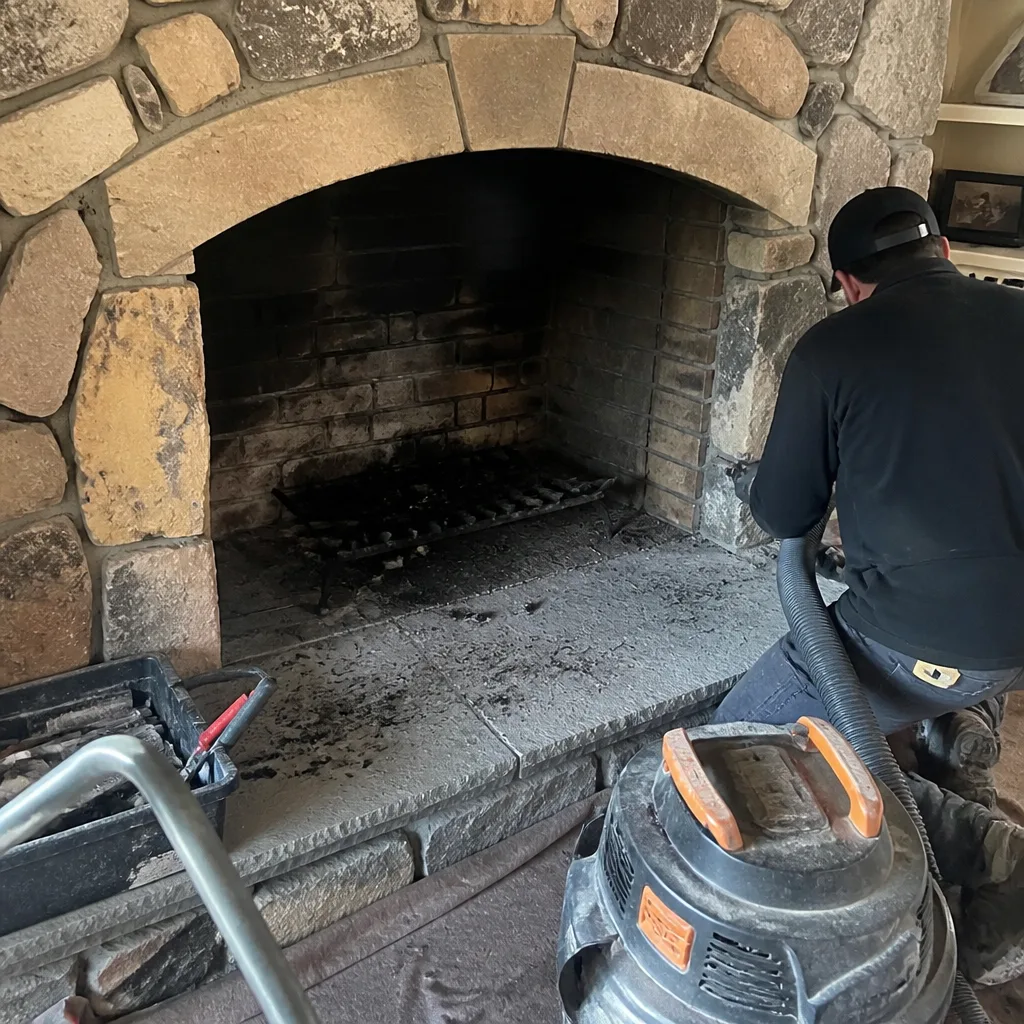 Before
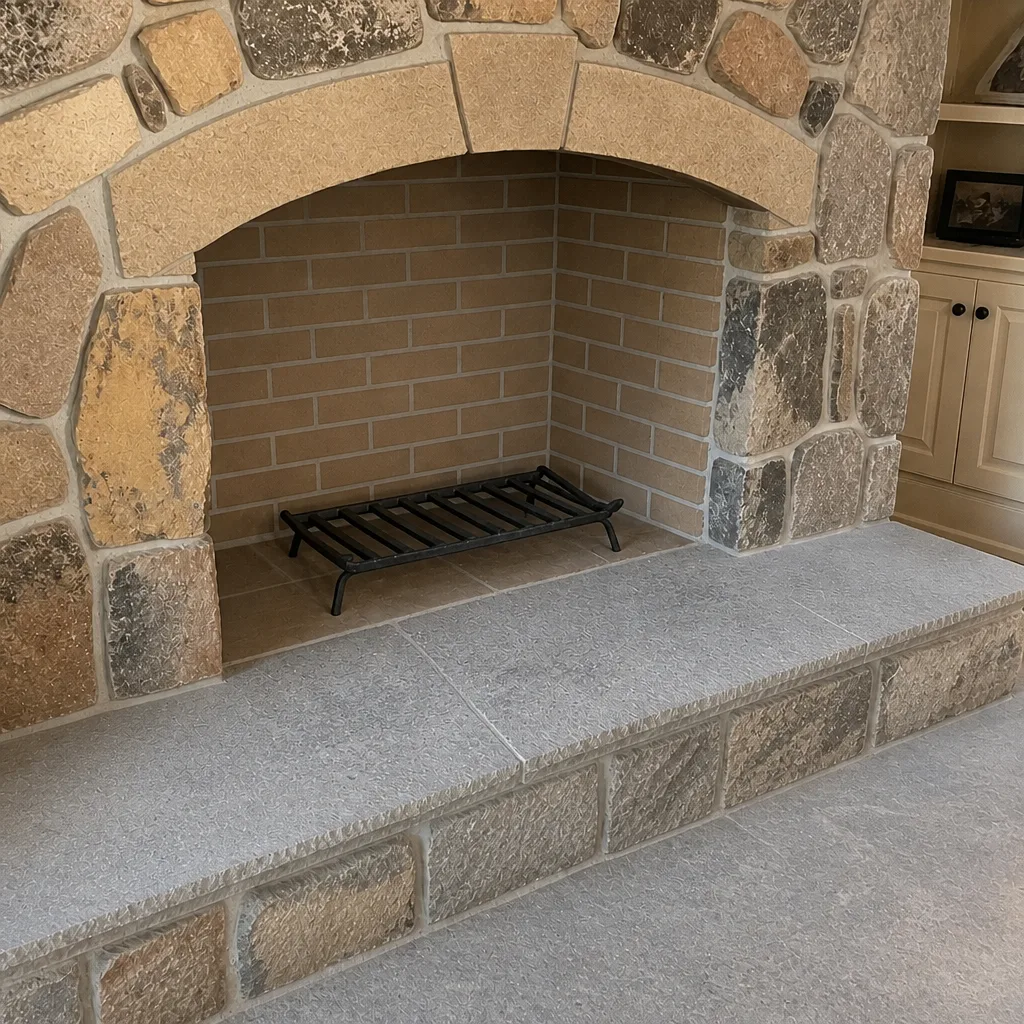 After
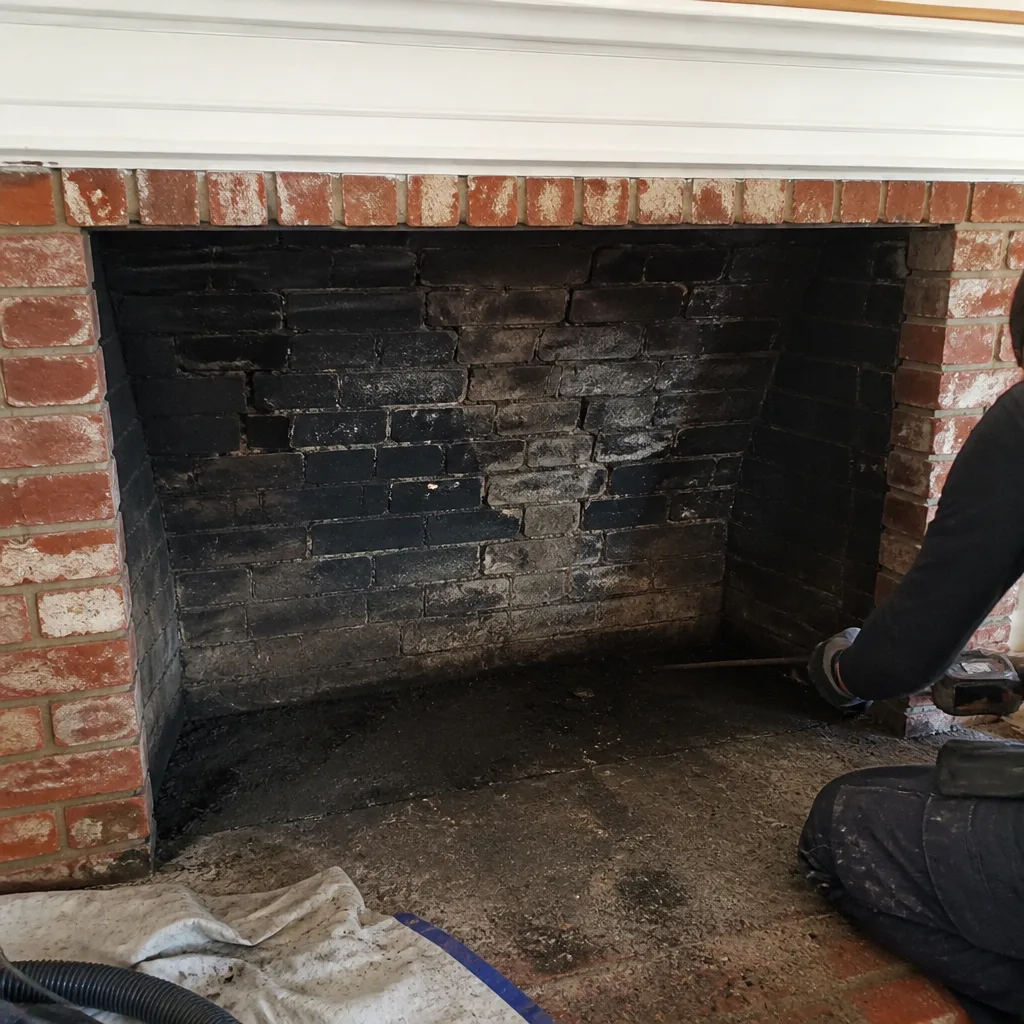 Before
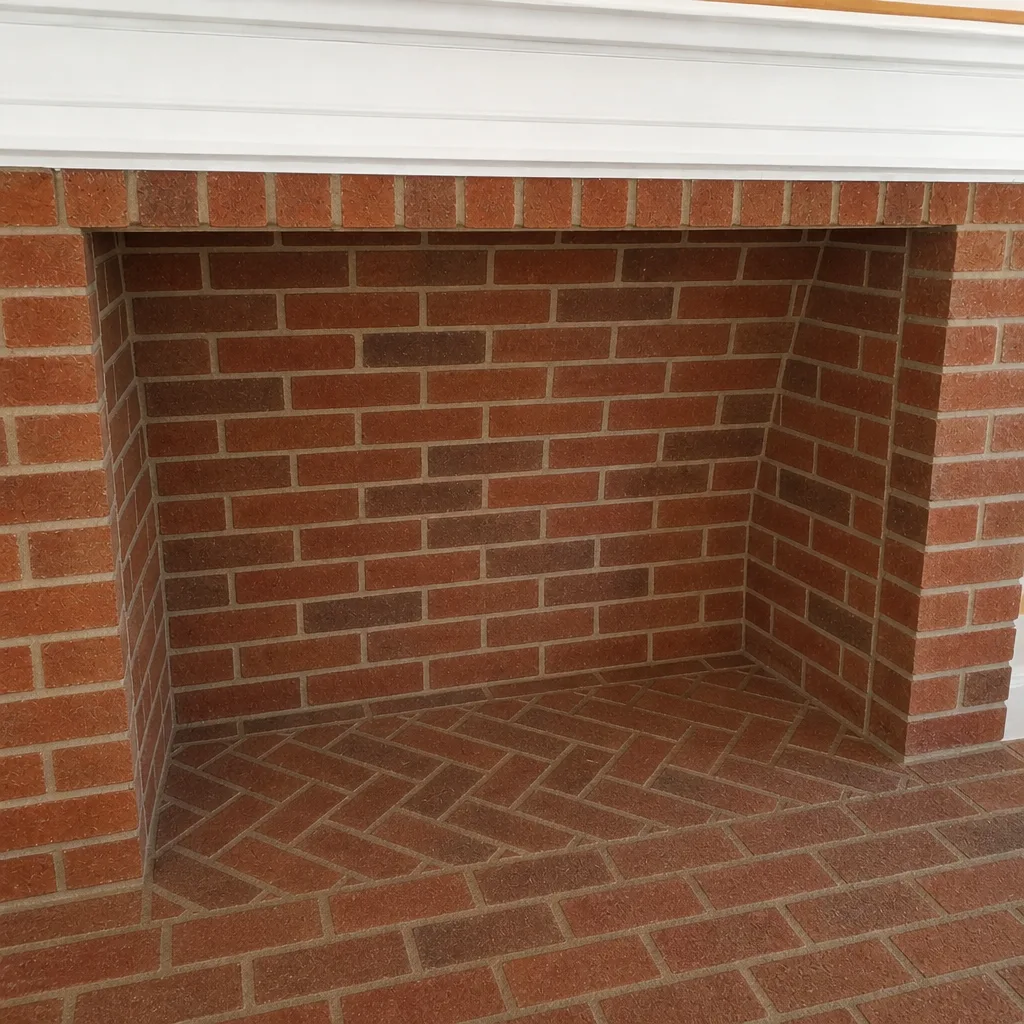 After
Frequently Asked Questions
Yes, a properly mounted cap with fine mesh is the single most effective protection against ember intrusion during a wildfire event. It also keeps rain, birds, and debris out of the flue year-round. If your cap is missing, rusted, or loose, replace it before the next Santa Ana wind event; a professional-grade Gelco or Famco cap fitted to your flue tile closes the pathway properly.
Leave the house and call 911 if the smell is strong, the smoke is visible, or you’re unsure of the cause. If everything is calm, check the exterior for smoke from the chimney top, listen for a low roar, and then call us at (855) 658-5280 to decide whether a visit is needed. Don’t reach into the firebox or go on the roof to investigate. The burning smell can be neighborhood smoke on a Spare the Air day, or it can be a chimney fire that has gone out. Never gamble on that distinction.
Once a year, and ideally before fire season starts in the fall. An annual inspection catches a damaged cap, a cracked crown, and liner problems before they’re tested by wind or fire. A sweep at the start of burning season removes the creosote that feeds a chimney fire. We do both in one visit, with a camera inspection and a written summary you can keep for insurance.
First, look at the cap, crown, and flue tile from the ground and note any visible damage. Second, open the firebox and check for ash fall or debris. Third, if you smell smoke inside the house and it doesn’t clear in a couple of days, get it inspected. Don’t go on the roof yourself. A professional can inspect the full flue with a camera and confirm whether the system is safe to use.
Yes. Creosote and ash sit in the flue between burns, and an ember entering through an open or damaged cap during a wildfire event can ignite it. That’s why cap integrity and a clean flue matter before fire season, not only during the months you’re burning. A yearly sweep reduces the fuel available, and a proper cap blocks the ember path.
Your most recent chimney inspection report with the date, your sweep history, the cap model and brand, the liner type (clay tile, stainless, or a resurfaced system like HeatShield), photos of the cap and crown in good condition, and receipts for past repairs. Keep the file in a fireproof box and in the cloud. Insurers ask for the age of the liner and the last maintenance date, and having those on hand speeds up the claim.
The Bottom Line
Chimney emergency preparedness in Porter Ranch comes down to three things you can do before the next hot wind event: confirm the cap is sealed and mounted, schedule an inspection and sweep, and keep the written report on file. Add a two-minute family conversation about the fire-out-of-the-house sequence, and the chimney stops being a gap in the plan. The material side matters too. Professional-grade caps from Gelco, resurfacing with HeatShield, and DuraFlex liner systems are what hold up under the conditions here. One visit handles the inspection, the sweep, and any repair. Call (855) 658-5280 for a free estimate.
Written by the team at Chimney Sweep Porter Ranch.