
Last updated November 22, 2026
 Sweep & inspection
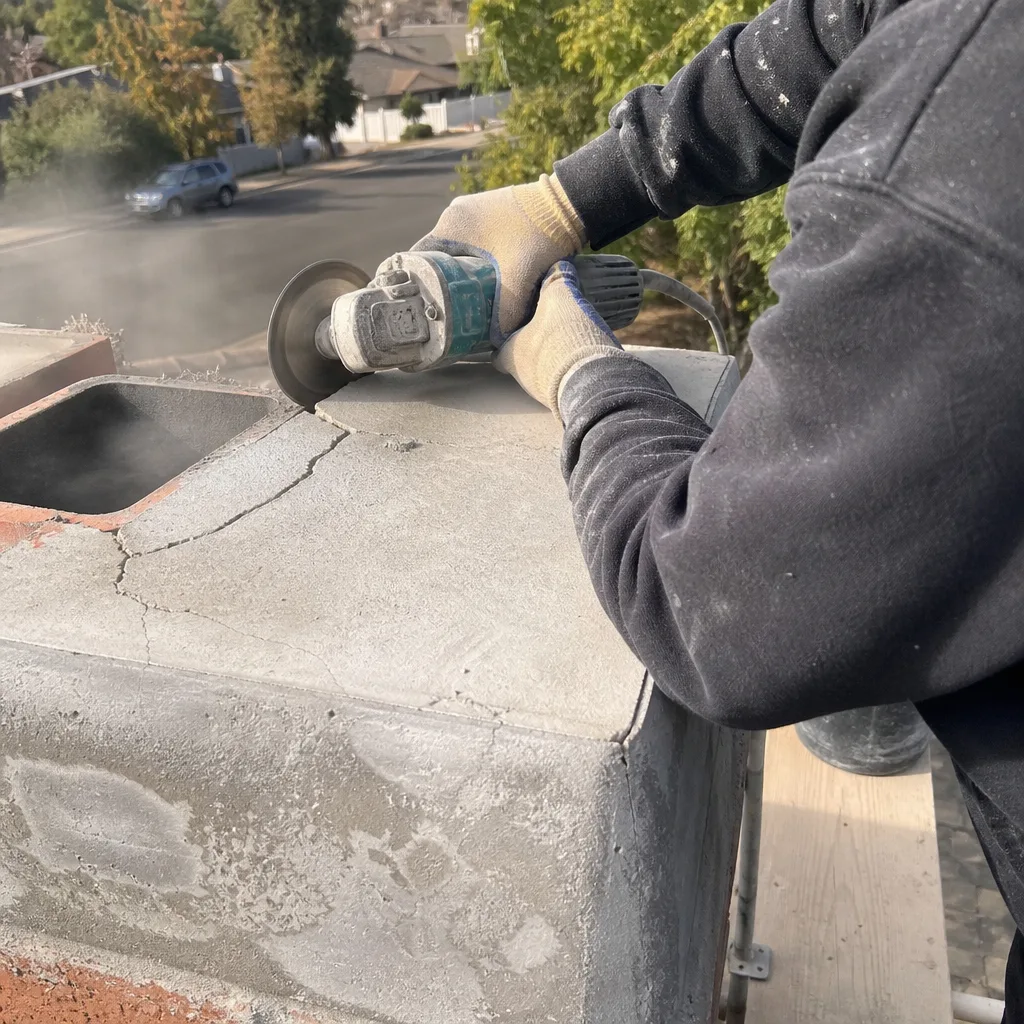
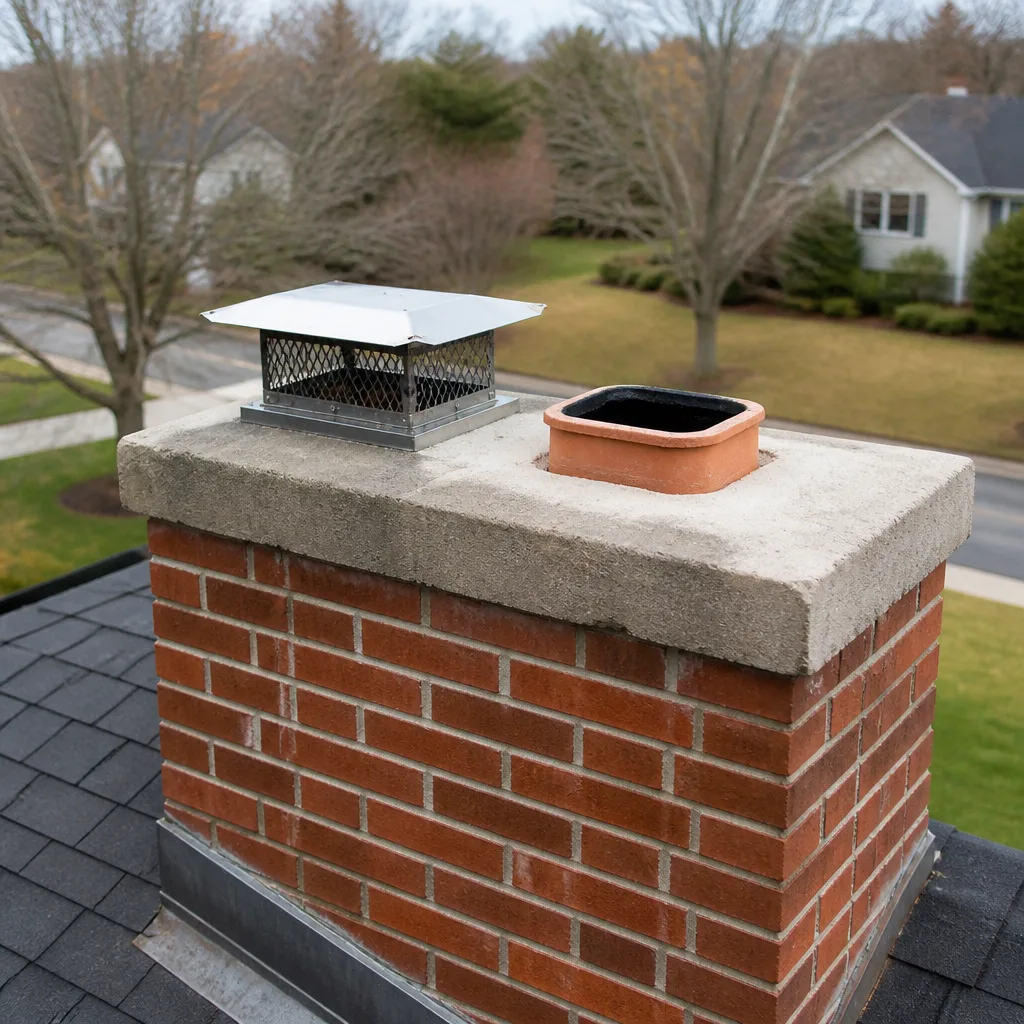
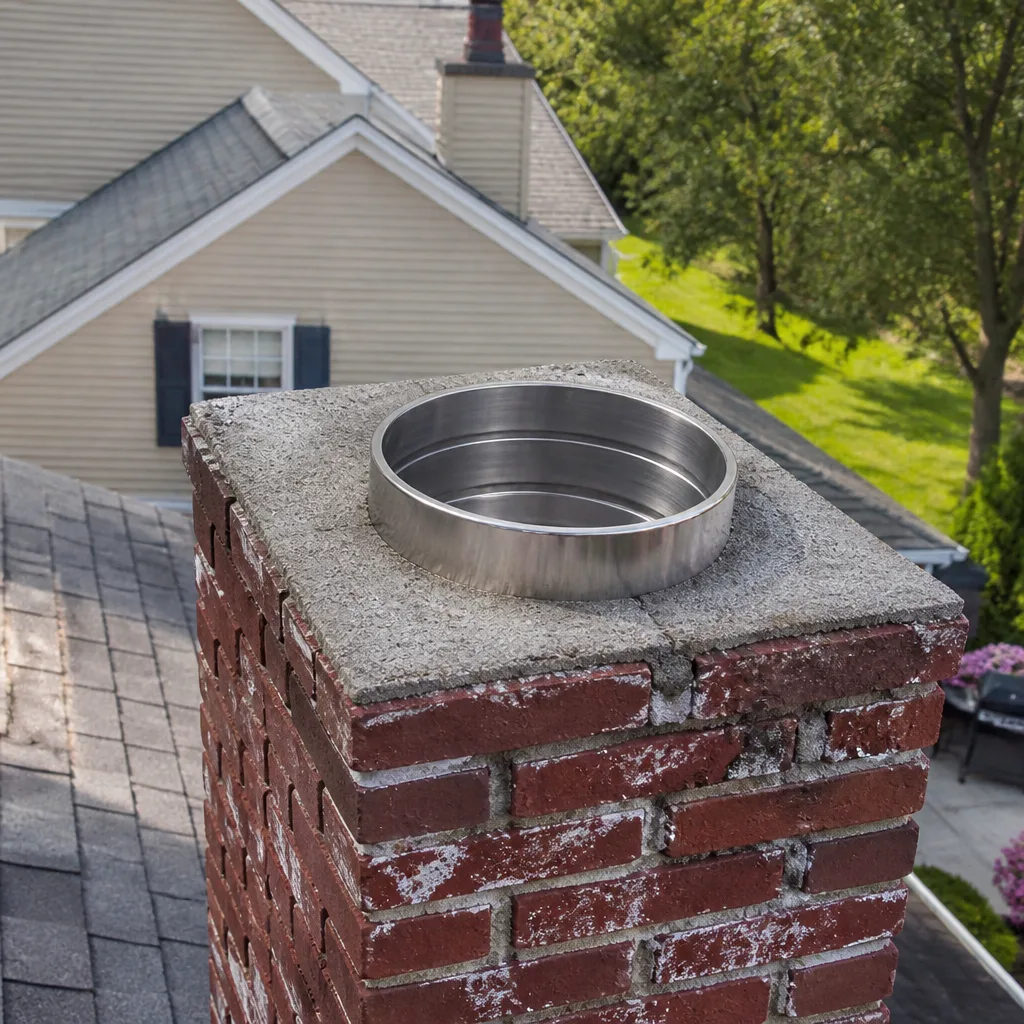
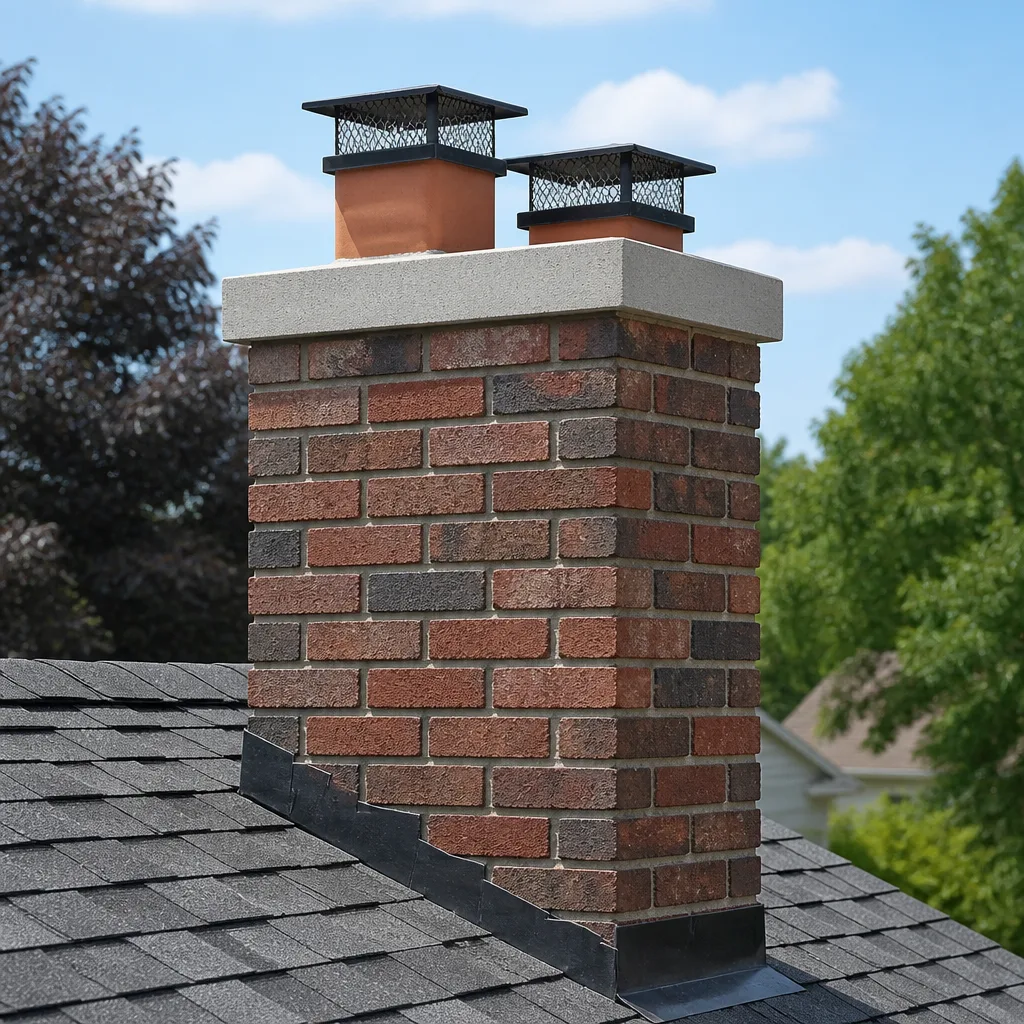 Caps & crowns
 Flue relining
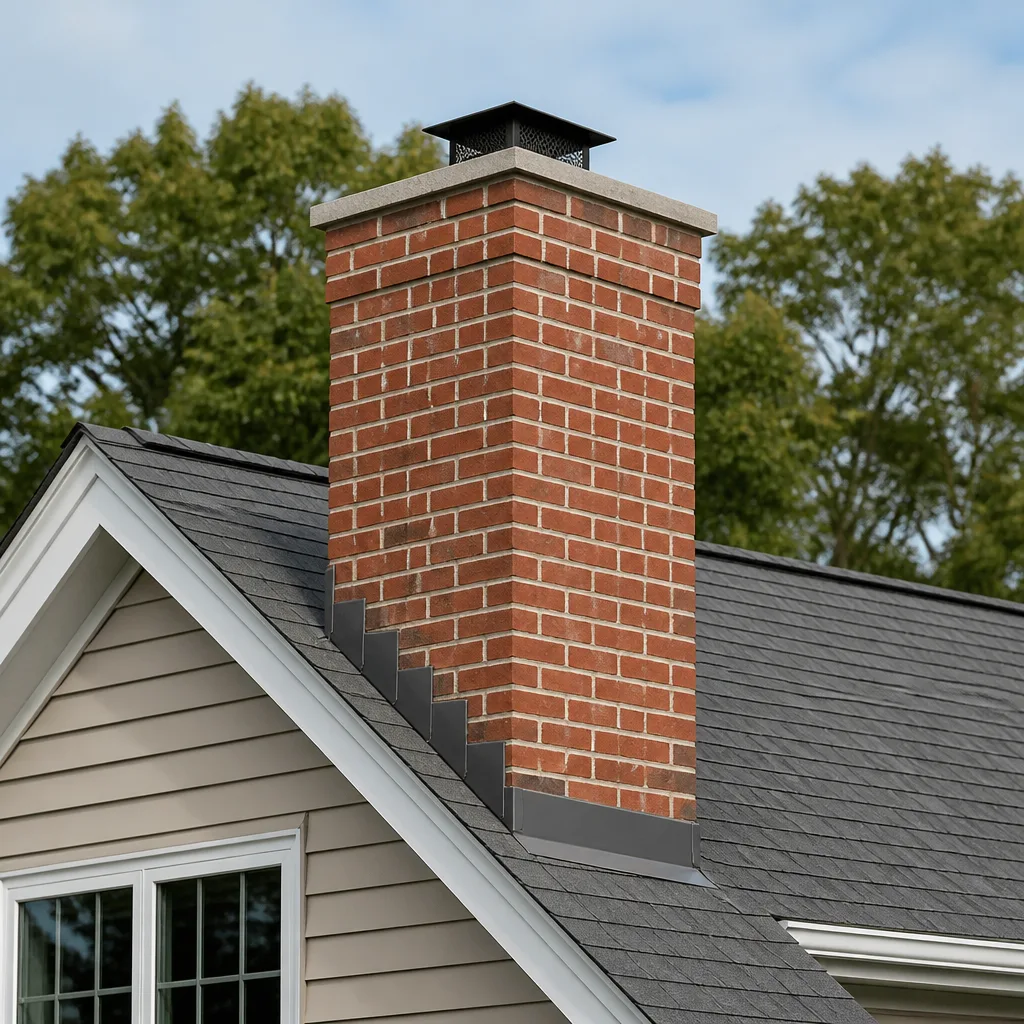 Masonry repair
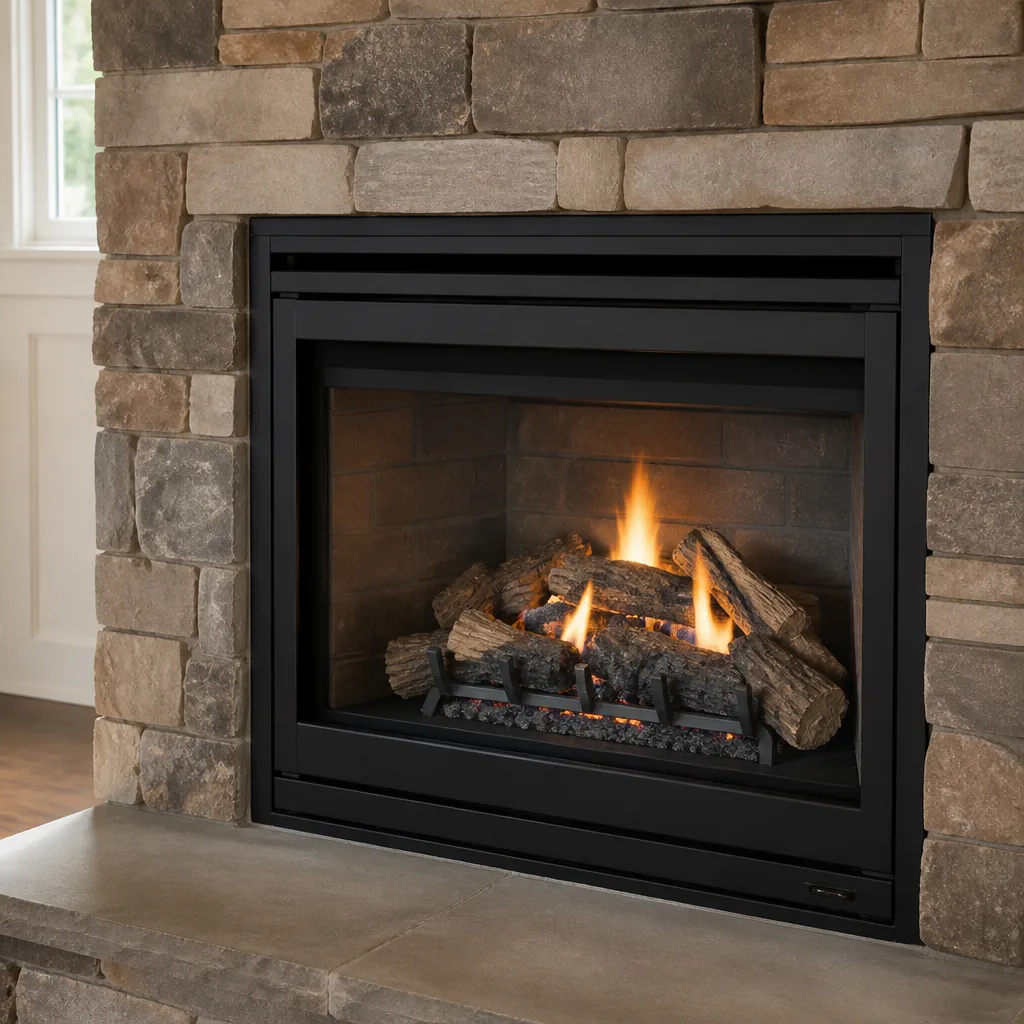 Gas fireplace service
Level 1 sweep and inspection to the NFPA 211 annual standard - flue, crown, cap, and flashing checked and photographed
Chimney sweep logs do not sweep chimneys. They loosen some creosote - which then falls where a brush and vacuum still have to collect it.
Chimney Cleaning Warning Signs: A Porter Ranch Homeowner’s Reference Guide
Most homeowners blame the damper when smoke rolls into the room during a fire. In Porter Ranch, that’s usually the wrong diagnosis. The more common cause is negative pressure – the tight, well-sealed envelope of newer construction pulling air down the flue instead of letting it rise. That single distinction changes the entire fix, and it’s the reason a symptom-by-symptom guide beats a generic checklist. Below, we map each warning sign you can actually see or smell to the mechanical cause inside the flue system, so you can tell a routine appointment from something that needs attention this week, and describe it accurately when you call.
Quick Answer
The warning signs that matter most are smoke rolling into the room, a fire that’s slow to catch or burns lazy, a campfire smell when the fireplace is cold, visible cracks in the firebox or flue, and white staining on the exterior chimney. Smoke rollout and draft reversal usually point to pressure or blockage problems, while staining and cracks point to water intrusion and structural wear. Any sign involving the flue itself, or smoke that won’t clear, is worth scheduling soon rather than waiting for your next routine sweep.
Styles & brands we work with
- Sweep & inspection
- Caps & crowns
- Flue relining
- Masonry repair
- Gas fireplace service
Table of Contents
- Smoke Rolling Into the Room: What It Really Means
- Slow Draft and Lazy Fires
- The Campfire Smell When the Fireplace Is Off
- Creosote: The Warning Sign You Can’t See
- White Staining on the Exterior Chimney
- Firebox Cracks: Cosmetic vs. Structural
- Which Signs Need Same-Week Service vs. Routine Scheduling
Smoke Rolling Into the Room: What It Really Means
Smoke spillage is the most misunderstood warning sign in Porter Ranch, because the damper gets blamed for a pressure problem. A chimney works on a simple principle: warm exhaust is lighter than the air around it, so it rises up the flue and out the top. Anything that tips that balance – a flue that’s too cold, a house that’s too tight, or a flue that’s partially blocked – sends smoke the wrong way. When a Porter Ranch home has been sealed up with modern windows and weatherstripping, the fire can’t draw enough replacement air from inside, so it pulls air (and smoke) down instead of pushing it up.
Three mechanical causes account for most smoke rollout:
- Negative pressure. A tightly sealed house with an exhaust fan or dryer running can starve the fire of make-up air. This is common in newer Porter Ranch construction where the envelope is deliberately airtight.
- A cold flue. On the first fire of the season, a cold masonry mass won’t warm up fast enough to establish draft. Some homeowners prime the flue with a small, hot fire first.
- A partial obstruction. A bird nest, a collapsed flue tile, or heavy creosote buildup narrows the passage. The fire struggles to push smoke through a restricted opening.
The distinction matters because the fixes are completely different. A pressure problem may call for a make-up air adjustment or a change in how the fire is lit, not a repair. An obstruction needs the flue opened and cleared. That’s why a proper chimney sweep includes a draft assessment and not just a brushing. If smoke is rolling into your room, note whether it happens on every fire or only when certain appliances are running – that detail tells us a lot before we even arrive.
Slow Draft and Lazy Fires: Reading the Symptom
A fire that’s slow to catch, smolders at the bottom, or produces more smoke than flame is telling you the draft is weak. The wood may be partly to blame (damp or unseasoned wood burns cold and gassy), but in a chimney system that used to draw fine, a change in draft points to something inside the flue. It’s a mechanical read, not a mystery.
What we check when a Porter Ranch homeowner reports slow draft:
- Flue temperature and warm-up. A cold flue in mild weather can stall the first fire. If it draws fine once hot, the flue is warming up slowly, not failing.
- Creosote loading. A narrowing layer of glazed or sooty deposit reduces the open area of the flue. Draft falls as the passage shrinks.
- Obstruction above the smoke chamber. A nest, a leaf load, or a broken tile can sit above the firebox and below the top. A camera inspection finds these in minutes.
- Cap and crown condition. A damaged or incorrectly sized cap changes airflow at the termination. We look at it during the same visit.
- House pressure. The tight-envelope condition again. If the flue is clear and warm but the fire still lags, the problem may be air supply, not the chimney.
Note the difference between a fire that draws poorly from the first match and one that used to draw well and has gotten worse. The first suggests a design or air-supply issue, the second a change inside the flue – and that second case is the one worth scheduling. Our technicians have up to 13 years of experience reading these signals, and a quick draft measurement during a sweep tells the story clearly.
The Campfire Smell When the Fireplace Is Off
That smoky, campfire odor when there’s no fire burning is one of the clearest warning signs in Porter Ranch – and it’s usually a draft reversal, not just leftover creosote. When the house is warmer than the outside air, or when a pressure imbalance tips the flue the wrong way, cold air sinks down the chimney and carries the smell of old soot and creosote with it into the room. The fireplace is cold, but the chimney is still “breathing” – and in a tightly sealed home, it can breathe inward.
Porter Ranch’s newer, well-insulated construction makes this more common than homeowners expect. A house built to hold its air also has fewer leaks to feed the flue, so on a still day the pressure can equalize or reverse. Three things typically drive the smell:
- Draft reversal from pressure. The flue is cold and the house is tight, so the chimney draws downward instead of up. This is the most common cause in sealed homes.
- Creosote odor. Even a thin creosote layer holds a smoke smell that can seep into a room, especially in humid weather.
- Water intrusion. Damp creosote and wet masonry smell stronger. A failed cap or crown lets moisture in, and the smell follows.
Telling these apart is the whole point. A draft reversal bought about by pressure often improves with a proper test of the flue and an honest look at how the fire is started and how the house is ventilated. A persistent odor coupled with exterior staining points toward water. Either way, it’s not something to just mask with an air freshener. Call (855) 658-5280 and describe when the smell shows up; that timing is a clue.
Creosote: The Warning Sign You Can’t See
Creosote is the warning sign no homeowner can inspect on their own, and it’s the one that matters most for safety. It’s the tar-like residue left when wood burns incompletely, and it builds up on the flue walls in layers. A thin sooty coating is normal between sweeps. Glazed, hardened creosote is the dangerous stage, because it’s highly flammable and a hot fire can ignite it. Nothing on the outside of the chimney tells you which stage you’re in – only a look up the flue does.
This is why “how often should I have it swept” has a mechanical answer, not a calendar one. The National Fire Protection Association guidance most sweeps follow is that a chimney should be inspected annually and swept when there’s about 1/8 inch of deposit or more. We can’t tell you whether you’ve hit that until we’ve looked. A generalist handyman with a brush may clear what he can reach and miss the glazed load higher up, which is why the sweep should be paired with an inspection camera every time.
Our full-service approach means the same visit that finds heavy creosote can also find the cause – burning unseasoned wood, a weak draft, or a flue that’s too cold to burn clean. A clean chimney is the starting point, not the finish line. If the flue is clean but the fire keeps depositing faster than it should, the fix is in how the system burns, and that’s a conversation worth having before the season starts.
White Staining on the Exterior Chimney
White, powdery staining on the outside of a brick or stucco chimney is efflorescence – salt deposits left behind when water moves through masonry and evaporates at the surface. On its own, a light dusting is a cosmetic issue. But when it’s thick, recurring, or accompanied by peeling paint or dark patches, it’s a signal that water is getting in and staying in. That matters because trapped moisture breaks down mortar and, over time, the flue liner.
How to gauge severity without climbing a ladder:
- Look at how much and where. A thin film near the top is often surface moisture. A broad, blotchy band across the middle of the chimney points to a deeper infiltration path.
- Check for dark or green tint. Black or greenish staining suggests persistent damp and organic growth. That’s a leak that hasn’t been resolved.
- Watch whether it returns. Efflorescence that comes back after rain is water finding a way in. One-time staining after a big storm is less concerning.
- Look at the crown. A cracked or failing crown at the top is the usual entry point. Water runs down the flue walls and shows up as staining lower down.
The fix is usually a well-made cap and crown, and this is where the right hardware pays for itself. We install professional-grade chimney cap & crown components from Gelco and Famco, chosen for the specific system rather than a generic cover from a shelf. A properly seated cap keeps water and animals out and keeps the flue breathing correctly. If your Porter Ranch chimney shows staining, ask us to inspect the crown at the same time.
Firebox Cracks: Cosmetic vs. Structural
Not every crack in the firebox is a problem, and telling the two apart is one of the most useful things a homeowner can learn. The firebox is lined with firebrick and refractory mortar that expand and contract with every fire, so hairline cracks in the mortar joints are common and often harmless. What changes the picture is a crack through the brick itself, a gap you can slide a coin into, or a piece of material that’s loose or missing.
A simple visual test – no tools, no climbing:
- Mortar joints. Thin, surface-only cracks between bricks are usually cosmetic. Look for missing mortar or joints that have eroded back to a scoop shape – those are structural.
- Through-brick cracks. A crack that runs across a face of firebrick is structural. Heat and gases can reach the masonry behind it, which is a recipe for failure over time.
- Loose or spalling brick. Any brick that shifts, crumbles, or sheds flakes needs attention. That’s material breaking down, not just settling.
- Water staining inside the box. Dark streaks inside the firebox point to moisture finding a path – often from a failed crown above.
A structural firebox crack is not a “try to seal it yourself” job. If hot gases pass through the crack into the surrounding structure, the risk is real, and it takes a trained professional to assess and rebuild it correctly. When repair is needed, we use fireplace repair methods that restore the refractory lining rather than cover it up. Point out the difference to us when we arrive and we’ll tell you plainly which kind of crack you’re looking at – and whether it can safely wait.
Which Signs Need Same-Week Service vs. Routine Scheduling
Some warning signs are a “call this week” matter and some are a “book it at the next sweep” situation. Getting that sorting right saves you both stress and unnecessary work. Here’s how we sort the signs you can observe, based on what each one typically indicates and how quickly it should be looked at.
- Same-week service: smoke rolling into the room on every fire, a strong chemical or campfire smell that appears even when the fireplace is cold and won’t clear, a visible structural gap or crumbling firebrick in the firebox, or a chimney that has visibly shifted or lost part of its crown.
- Schedule within the season: slow draft that used to draw fine, a thin odor that appears rarely, moderate white efflorescence that recurs after rain, or a cap that’s loose but still in place.
- Routine next appointment: a well-drawing fireplace with a known soot layer due for cleaning, cosmetic hairline mortar cracks in the firebox, or a light, one-time dusting of efflorescence that hasn’t returned.
If you’re not sure which column you’re in, describe the symptom over the phone and we’ll help you sort it before booking. There’s no need to leap to the worst-case reading, but there’s also no reason to sit on a sign that’s telling you the flue has a problem. The goal of this whole reference is to help you communicate accurately – that makes the visit faster and the recommendation clearer. We answer 24/7, so you can call when you notice the issue.
Common Mistakes to Avoid
- Blaming the damper for every smoke rollout. In Porter Ranch’s newer sealed homes, negative pressure is often the cause. Adjusting the damper won’t fix a house that can’t feed the fire enough air.
- Masking a smoky odor with an air freshener. That campfire smell is a draft-reversal or moisture signal. Covering it hides the information a sweep needs to diagnose the flue.
- Assuming a clean chimney is a safe chimney. A generalist who brushes what he can reach can leave a glazed creosote load higher in the flue and a cracked firebox behind. Cleaning and inspection belong together.
- Ignoring white staining until the mortar crumbles. Efflorescence that keeps coming back after rain is water finding a path. Addressing the cap and crown early costs far less than repairing saturated masonry later.
- Sealing a structural firebox crack with a store-bought tube. A through-brick crack needs a refractory rebuild, not a cosmetic patch. Hot gases behind a covered crack are a genuine risk.
- Waiting for the first cold snap to book a sweep. For Porter Ranch, the right time is before burning season, when the flue is cold and uninspected. A booked sweep beats a scramble on the first cool evening.
- Mixing cheap generic caps with a good flue. A poorly fitting aftermarket cover changes airflow and lets water in. Brand-matched caps from a trade supplier fit the specific system.
See the difference
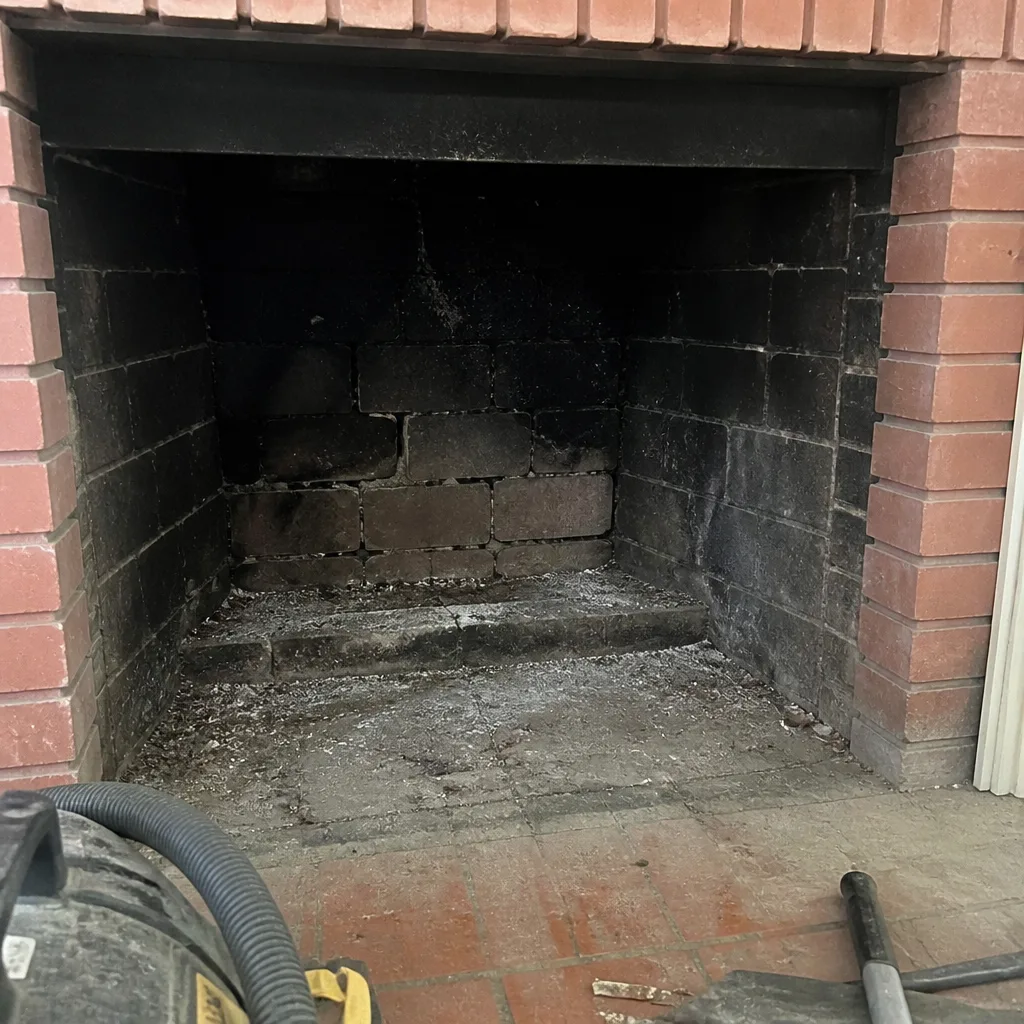 Before
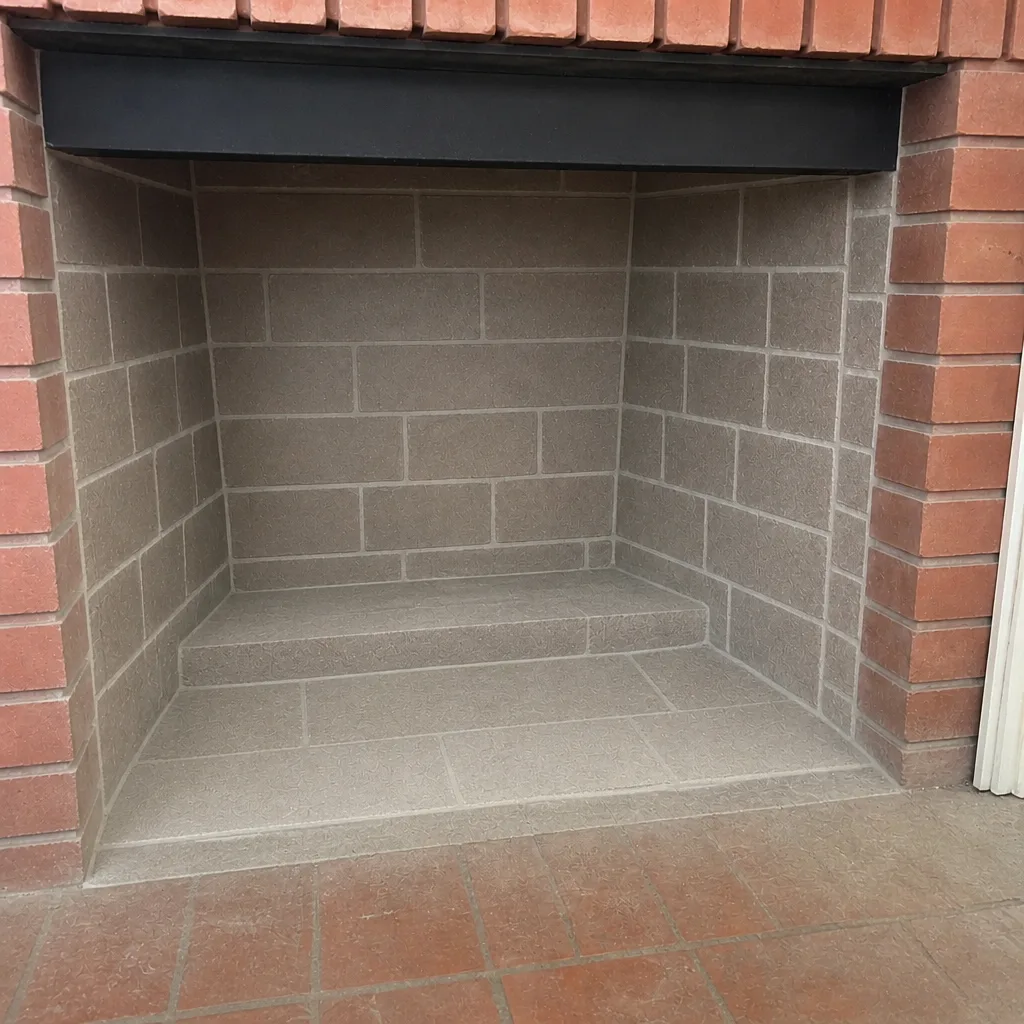 After
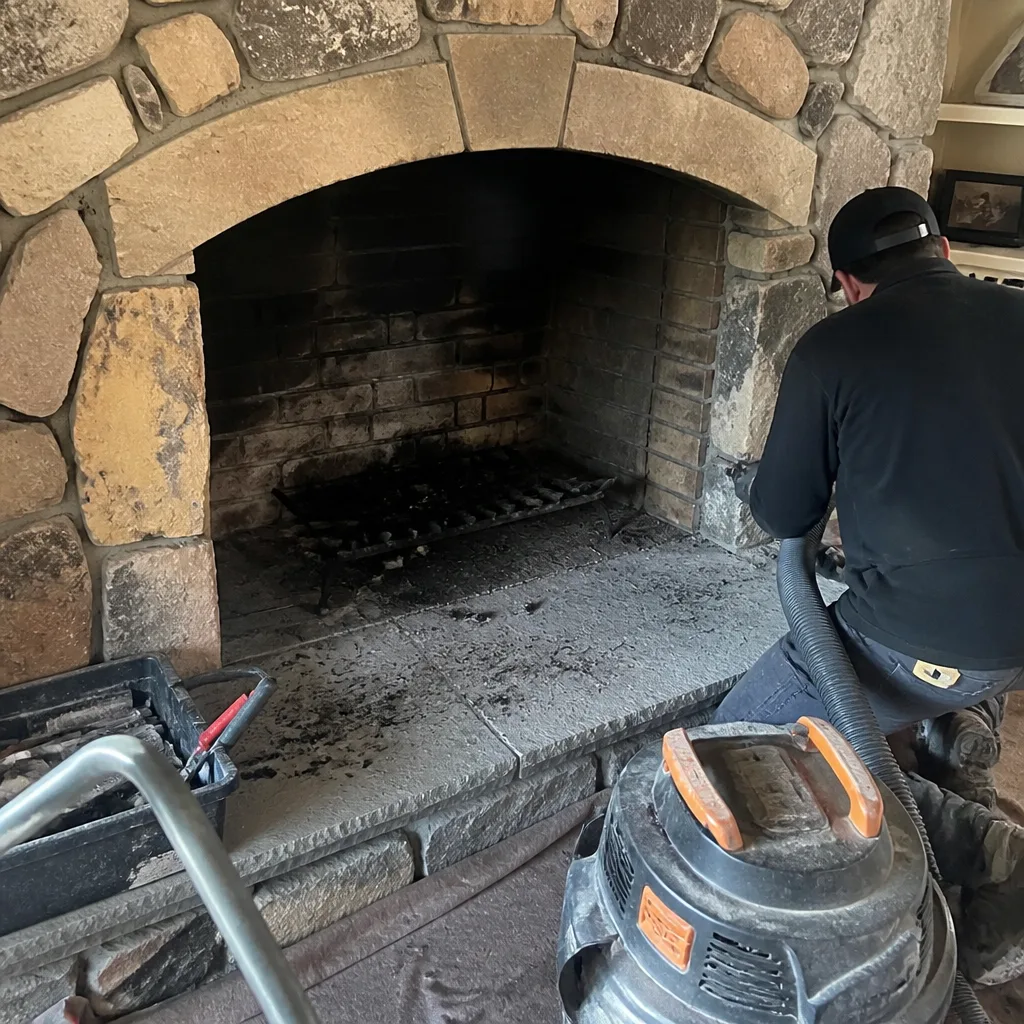 Before
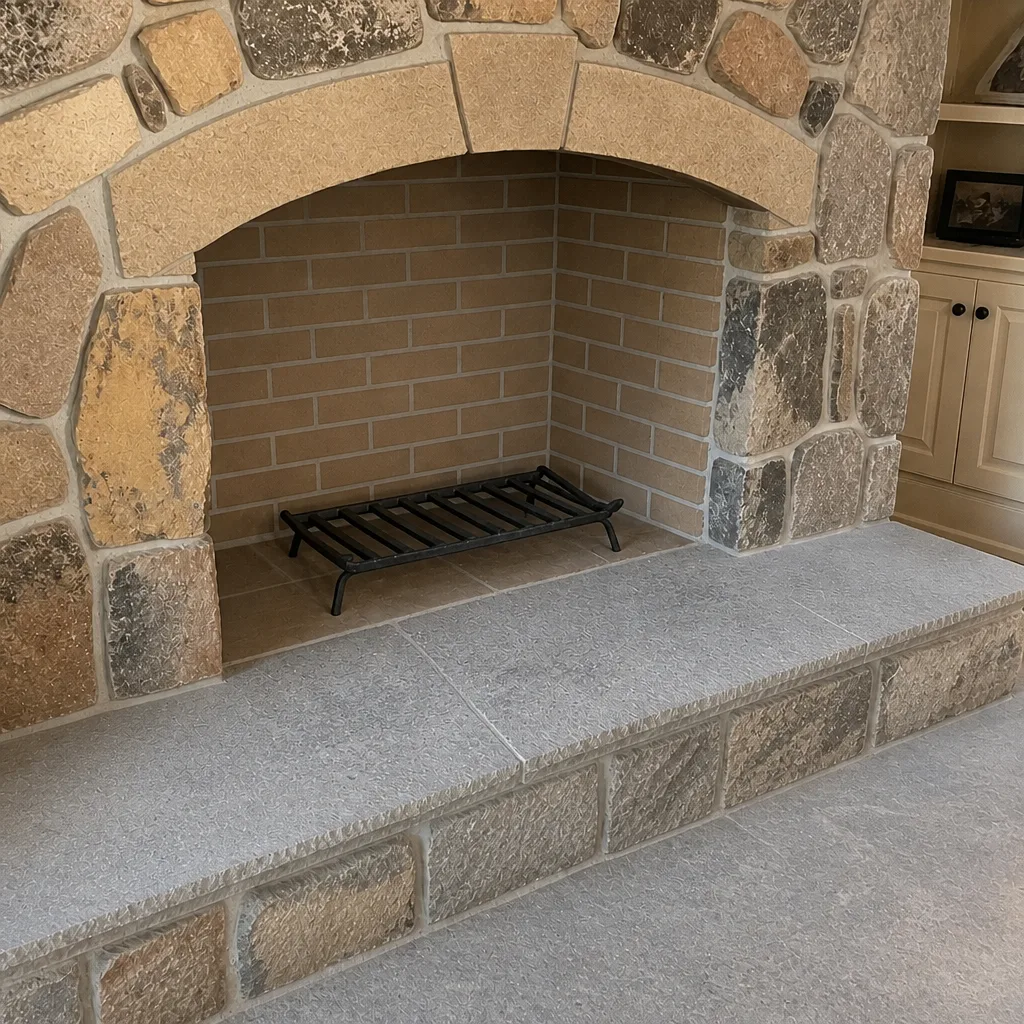 After
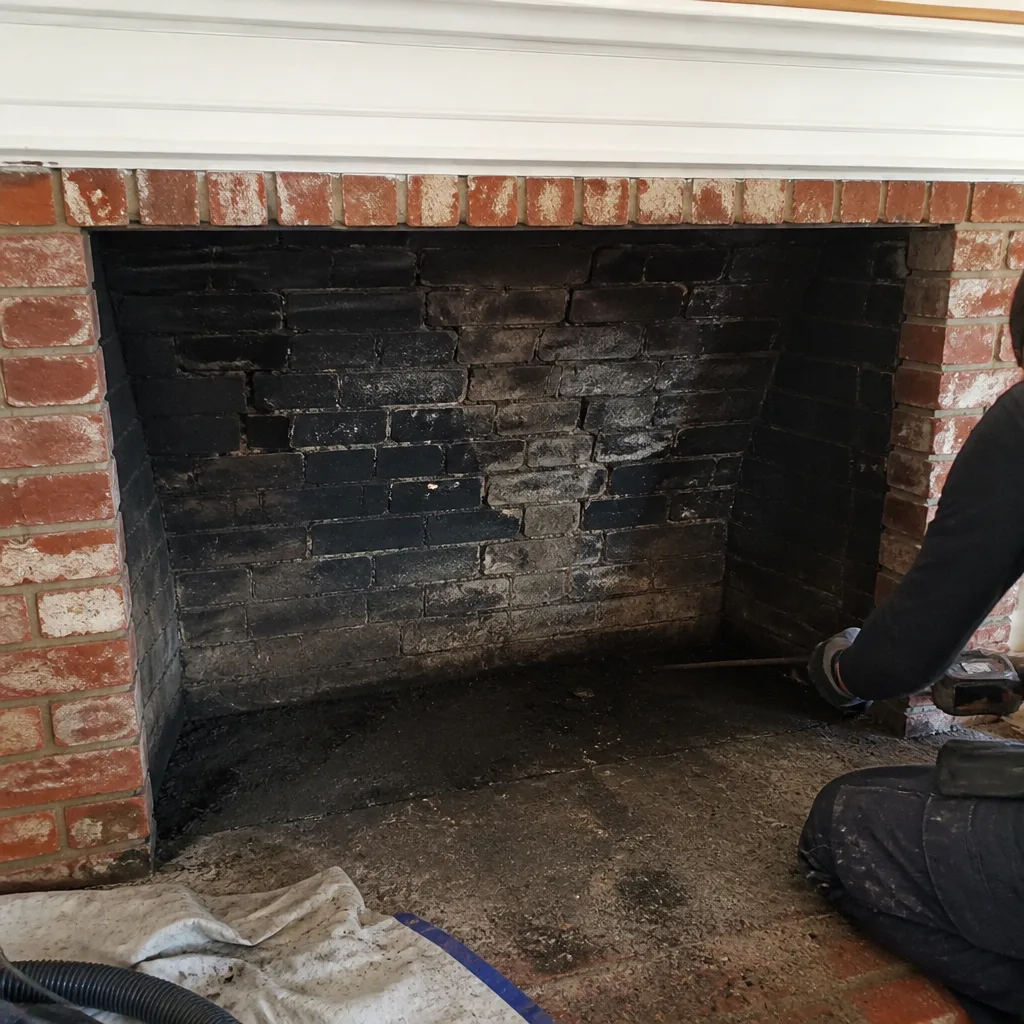 Before
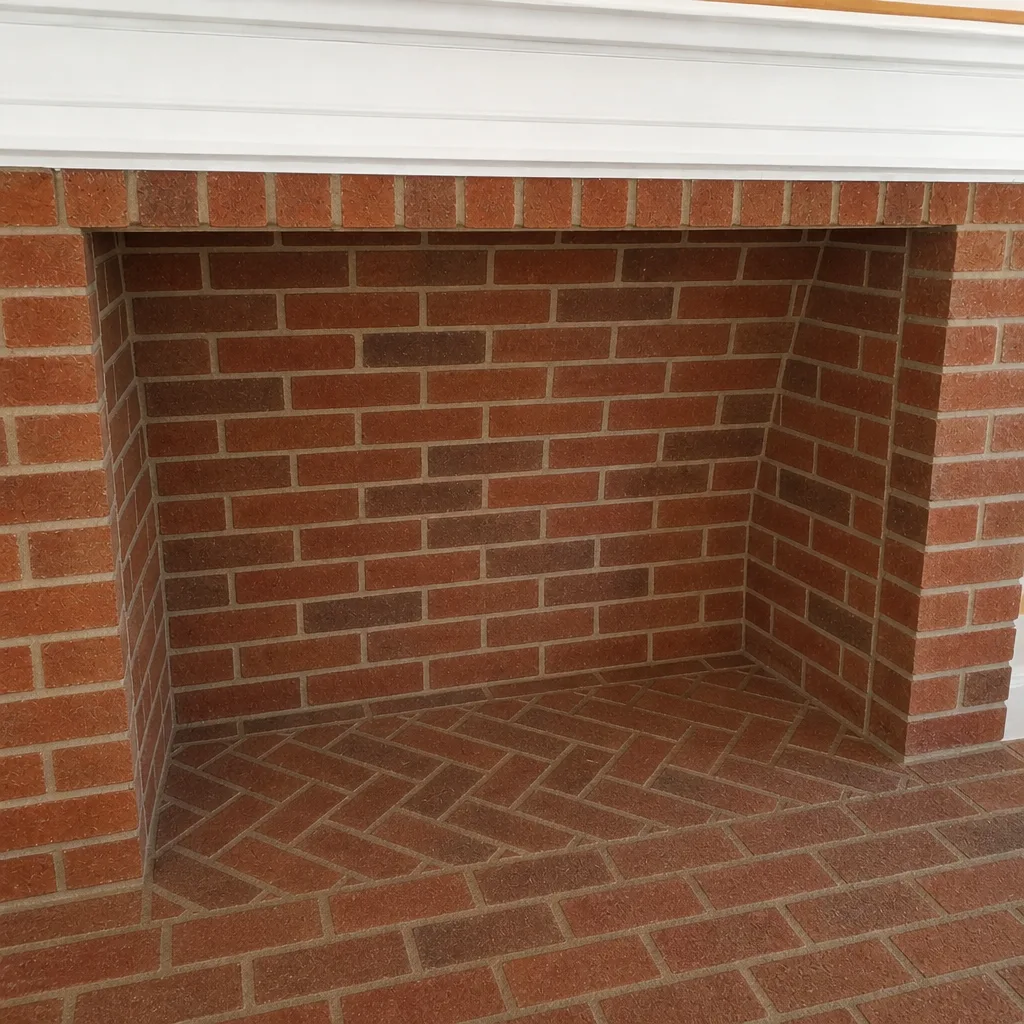 After
When to Call a Professional
Call a professional when smoke won’t clear the room, when a campfire smell lingers with no fire burning, when you can see a structural crack or crumbling brick in the firebox, or when white staining keeps returning after rain. Also call if your last sweep was more than a year ago and you plan to burn – an annual inspection catches problems before they become repairs. Any sign that involves the flue itself, rather than just the firebox surface, deserves a trained eye. Chimney Sweep Porter Ranch offers free estimates in Porter Ranch, and we can work with your insurer if a repair is needed. Call (855) 658-5280 and describe what you’re seeing; the same visit that finds the problem can also fix it.
Frequently Asked Questions
The most common are smoke rolling into the room, slow draft, a campfire smell when the fireplace is cold, visible firebox cracks, and white staining on the exterior. In Porter Ranch’s newer sealed homes, smoke rollout and the cold-fireplace odor most often come from a negative pressure condition rather than the damper. Call (855) 658-5280 for an exact assessment – estimates are free.
It can be, because a smoky smell with no fire burning usually indicates a draft reversal, not just leftover creosote. In a tightly sealed Porter Ranch home, the flue can draw downward and pull soot odor into the room, and a persistent smell can also point to moisture intrusion. Either way, it’s worth looking at; call (855) 658-5280 to book an inspection.
Hairline cracks in the mortar between firebricks are usually cosmetic, but a crack that runs across the face of a brick, a gap you can slide a coin into, or loose and crumbling material is structural. A structural crack can let hot gases reach the surrounding structure, so it needs a trained professional. Point it out when you call (855) 658-5280.
White, powdery staining is efflorescence – salt left when water passes through masonry and evaporates. A light one-time dusting is cosmetic, but staining that returns after every rain points to water getting in, often through a failed crown or cap. A proper chimney cap & crown in Porter Ranch is the usual fix; call (855) 658-5280 for a look.
Same-week signs are smoke that rolls into the room on every fire, a persistent smell even with the fireplace cold, a structural firebox crack, or a visibly shifted chimney or lost crown. Slow draft that used to draw fine and recurring staining can be scheduled within the season. When in doubt, call (855) 658-5280 and describe the symptom.
A homeowner can brush a firebox, but it’s very hard to see up the flue where creosote and cracks actually hide, and there’s no way to gauge a glazed creosote load or a partial obstruction from below. The diagnostic look is the part that matters most. For a Chimney Sweep Porter Ranch inspection that pairs cleaning with a camera look up the flue, call (855) 658-5280.
The Bottom Line
Every warning sign this guide covers traces back to a specific cause inside the flue system: pressure, obstruction, moisture, or structural wear. Sort what you see into the three columns – same-week, within-the-season, or routine – and describe it plainly when you call. Smoke rollout and the cold-fireplace smell point to pressure more often than to the damper in Porter Ranch’s tight homes. Staining and structural cracks point to water and material failure. The right cap, liner, or crown for your specific system, sourced from professional-grade brands, is what turns a warning sign into a solved problem. None of it happens until someone looks.
Chimney Sweep Porter Ranch handles inspection, sweeping, cap and crown, fireplace repair, and chimney repair under one roof, so we identify the problem and fix it without handing you to a second contractor. We use HeatShield ceramic resurfacing and DuraFlex liner systems for restoration work, and professional-grade hardware from Gelco and Famco for moisture protection. Call (855) 658-5280 for a free estimate. We answer 24/7. Fast dispatch from 7am to 7pm, Sunday through Friday.
Written by the team at Chimney Sweep Porter Ranch.